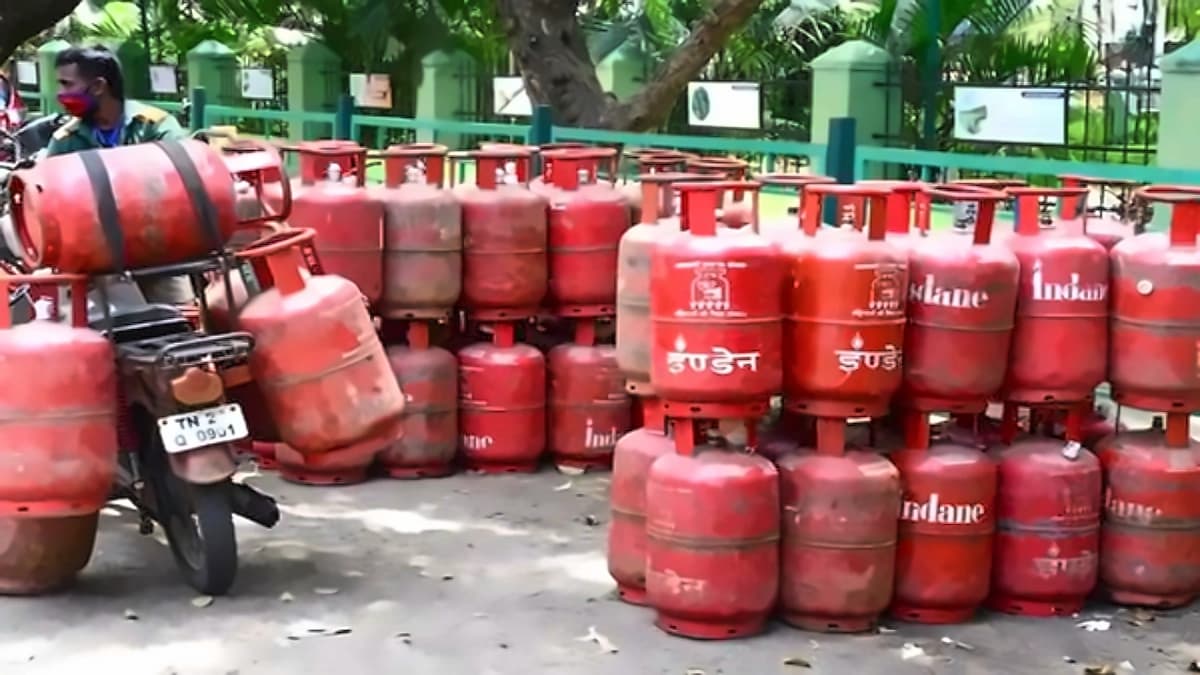
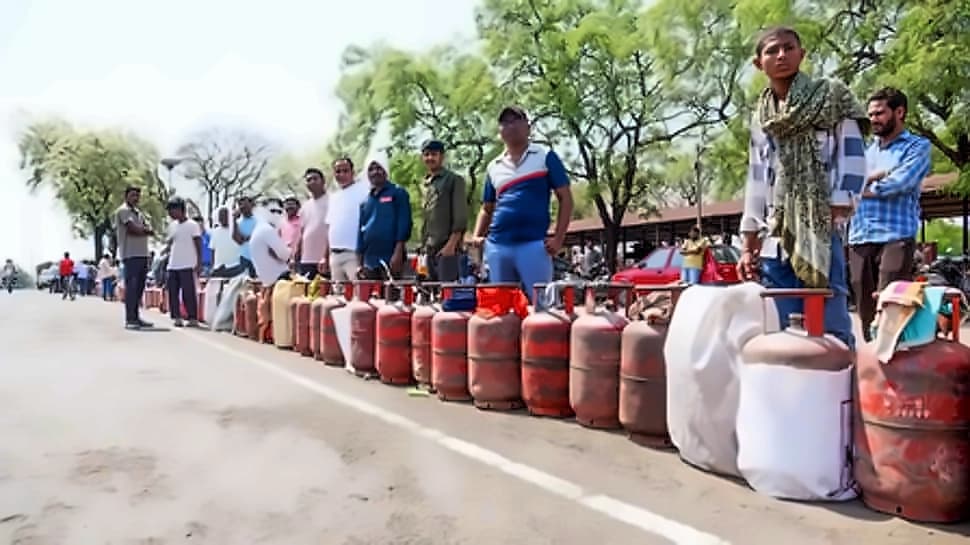
The central government has scrapped the longer 45-day wait for rural LPG refills, bringing rural consumers in line with the 25-day booking window that urban households already had. Union Minister of State for Petroleum, Natural Gas and Tourism Suresh Gopi announced on Monday that oil marketing companies (OMCs) must uniformly apply the 25-day refill booking interval in both urban and rural areas with immediate effect. According to the minister, domestic LPG consumers nationwide, whether in urban or rural areas, can now book refills at the shorter 25-day interval, doing away with the earlier rural-urban distinction altogether. As reported by Zee News, referring to a press release dated 12.03.2026, Union Minister of State Suresh Gopi said that the LPG refill booking timeline of 45 days for rural areas and 25 days for urban areas was a "temporary demand management measure." The Centre has directed oil marketing companies to immediately adopt a uniform 25-day interval for domestic LPG refill bookings across the country. The petroleum ministry issued a letter dated September 7 addressed to the chairmen and managing directors of IOCL, BPCL and HPCL, directing OMCs to implement the revised booking interval immediately.
The disparity between urban and rural LPG booking intervals dates back to supply pressure triggered by the conflict in West Asia, as explained by Minister Suresh Gopi. During that period, the refill booking interval was set at 25 days for urban consumers but stretched to 45 days for those in rural areas, a gap intended to manage strain on LPG supply chains. However, with the supply situation having since improved and the refill backlog reduced significantly, the government has moved to lift the restriction. The petroleum ministry letter specifically cited the improved LPG supply position and considerable reduction in refill backlogs compared with the situation when the demand-management measures were introduced. As reported by Zee News, the Ministry stated, "In view of the present LPG supply position and the considerable reduction in refill backlogs as compared to the situation prevailing at the time of introduction of the demand-management measures, the Ministry has decided to revise the existing refill booking interval and prescribe an inter-refill booking gap of 25 days uniformly for all Domestic LPG consumers, including those in rural areas." The revised booking cycle comes after restrictions had been introduced amid supply pressures linked to the conflict in the Middle East, with the government now deciding to remove this distinction as supply conditions improve.
The decision to reduce the minimum gap between successive LPG refill bookings came as fuel supplies improved significantly in recent months. According to Kpler and data from the Petroleum Planning & Analysis Cell, LPG supplies to India from the Gulf region nearly doubled in August on a month-on-month basis, with the Gulf's share of India LPG imports rising to 29.7% in August from 16.4% in July. The UAE's LPG shipments jumped from 94.9% to 198,860 tonnes, while Kuwait's LPG supplies rose to 114,580 tonnes from 44,230 tonnes and Qatar's LPG shipments increased to 65,400 tonnes from 19,320 tonnes. India's total LPG imports rose 14.5% on a month-on-month basis, with the Gulf region regaining ground in contrast to US LPG shipments' decline. The US's LPG shipments to India fell 25.8% month-on-month, though the US retains over 50% share of India's LPG imports at 724,150 tonnes. This diversification in supply sources has contributed to the improved supply situation that enabled the government to reduce booking restrictions.
According to a survey-based report by the Council on Energy, Environment and Water (CEEW), around 73% of rural households used liquefied petroleum gas (LPG) in the previous 90 days, but only 23% used it exclusively. The study, which covered 2,200 rural households across six states, 1,100 households in informal settlements and more than 1,000 migrant workers across 10 cities, found that half of rural users still relied on firewood as their primary fuel. As reported by GoodReturns, the majority of rural areas still rely on firewood as their primary source of cooking, with only 23% of rural households achieving exclusive LPG usage. The study revealed that migrant workers face the sharpest exclusion, with 79% of migrant LPG users surveyed having no formal connection, compared with 11% of households in urban informal settlements. Less than 4% of migrant workers are enrolled in PMUY despite a 2021 policy change intended to extend the scheme to migrant families.
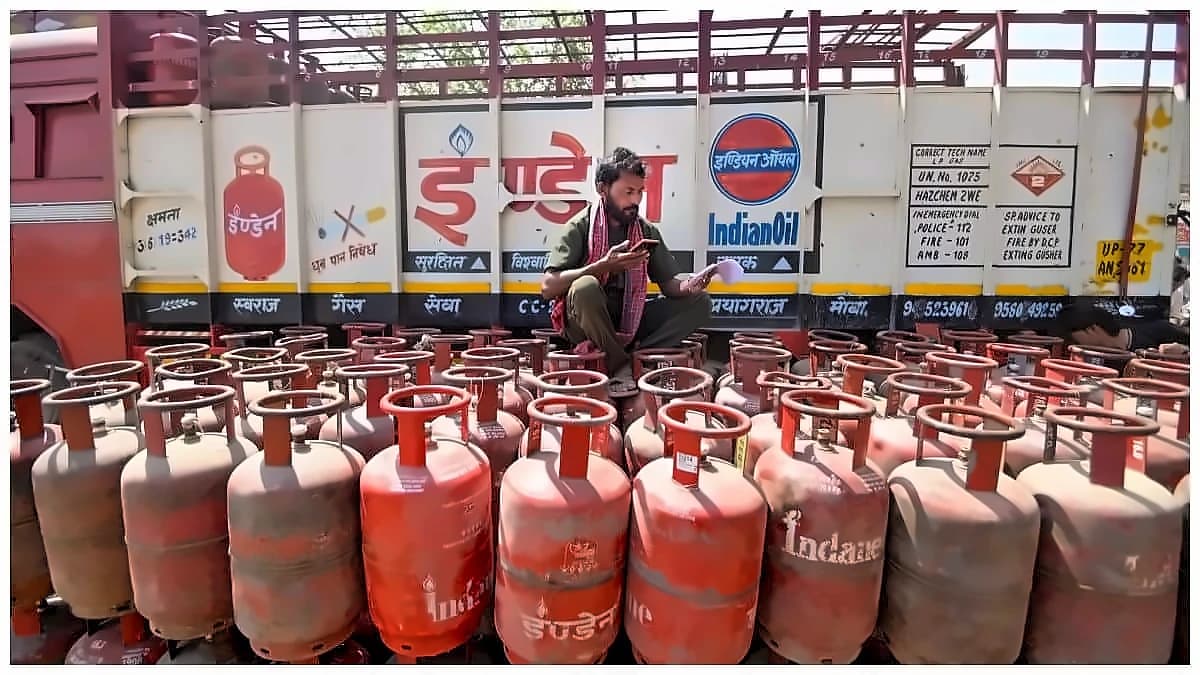
The report found that just 47% of rural LPG users received doorstep delivery, leaving refill costs and last-mile logistics as key constraints to sustained usage. According to CEEW, informal connections, bought through kirana stores, roadside dealers or unauthorised distributors at a premium, fill the gap left by shortcomings in last-mile delivery networks. The study revealed that migrant workers face the sharpest exclusion, with 79% of migrant LPG users surveyed having no formal connection, compared with 11% of households in urban informal settlements. Less than 4% of migrant workers are enrolled in PMUY despite a 2021 policy change intended to extend the scheme to migrant families. As reported by GoodReturns, informal LPG users among migrant respondents pay ₹71 per kg, a premium of more than 20% over the ₹59 per kg paid through formal connections.
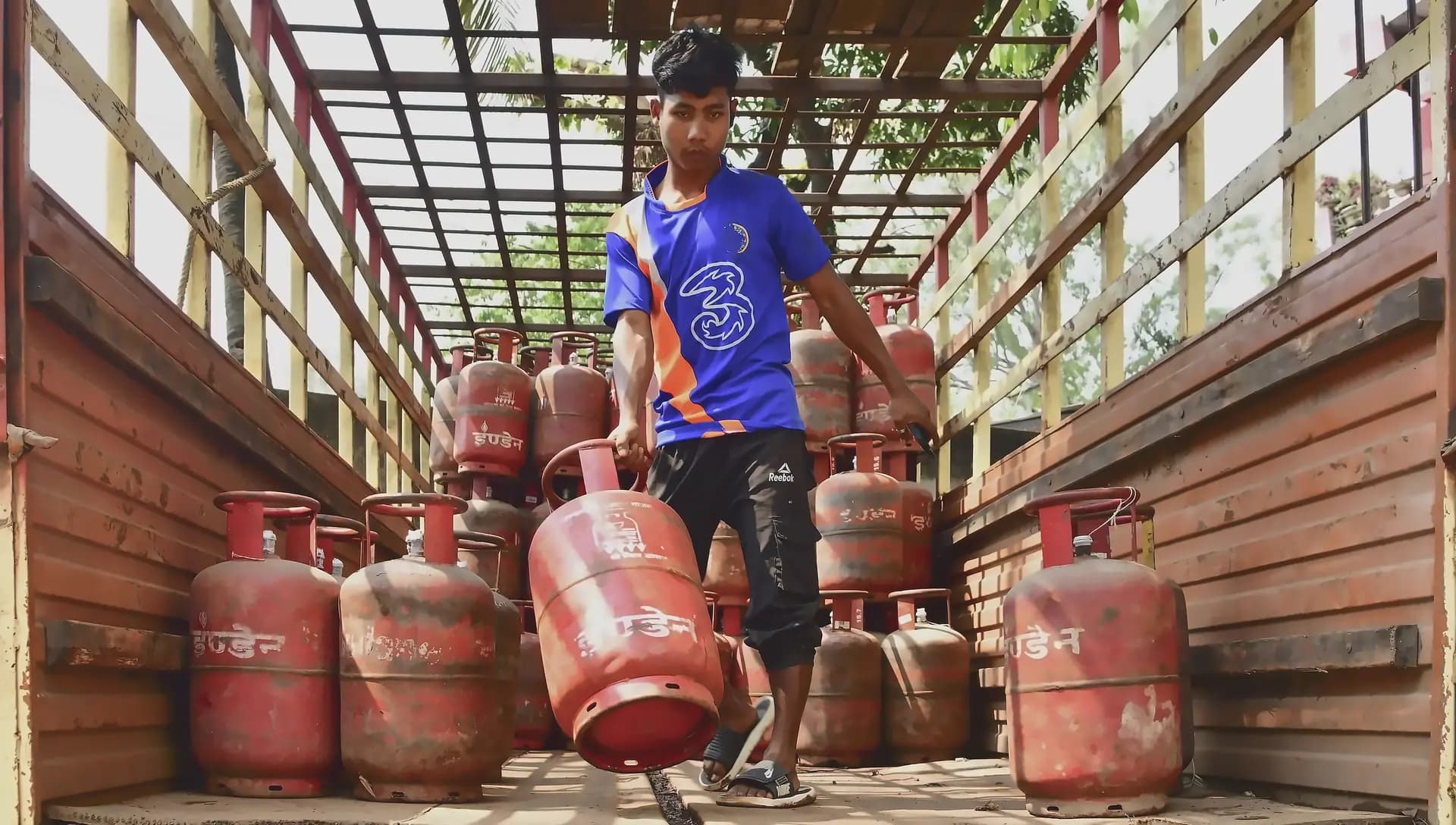
As reported by CEEW, at a refill price of ₹400 for a 14.2 kg LPG cylinder, at least 80% of surveyed rural households, urban informal settlement household and migrant workers report that they would transition to exclusive LPG usage. The median willingness to pay was ₹500 across the three groups, which is below the current effective subsidised PMUY cylinder price of ₹642. LPG usage was higher among households in urban informal settlements, with 70% using it exclusively, though 31% of those without a formal connection said they had been turned away for lacking documentation such as proof of address. As reported by GoodReturns, 11% of those in urban informal settlements buy cylinders informally, paying ₹1,040 against a retail price of ₹803 at the time of the survey. With the refill backlog now significantly reduced and supply conditions improving, the Centre has eased the booking restriction, bringing urban and rural LPG consumers under the same 25-day refill booking interval.