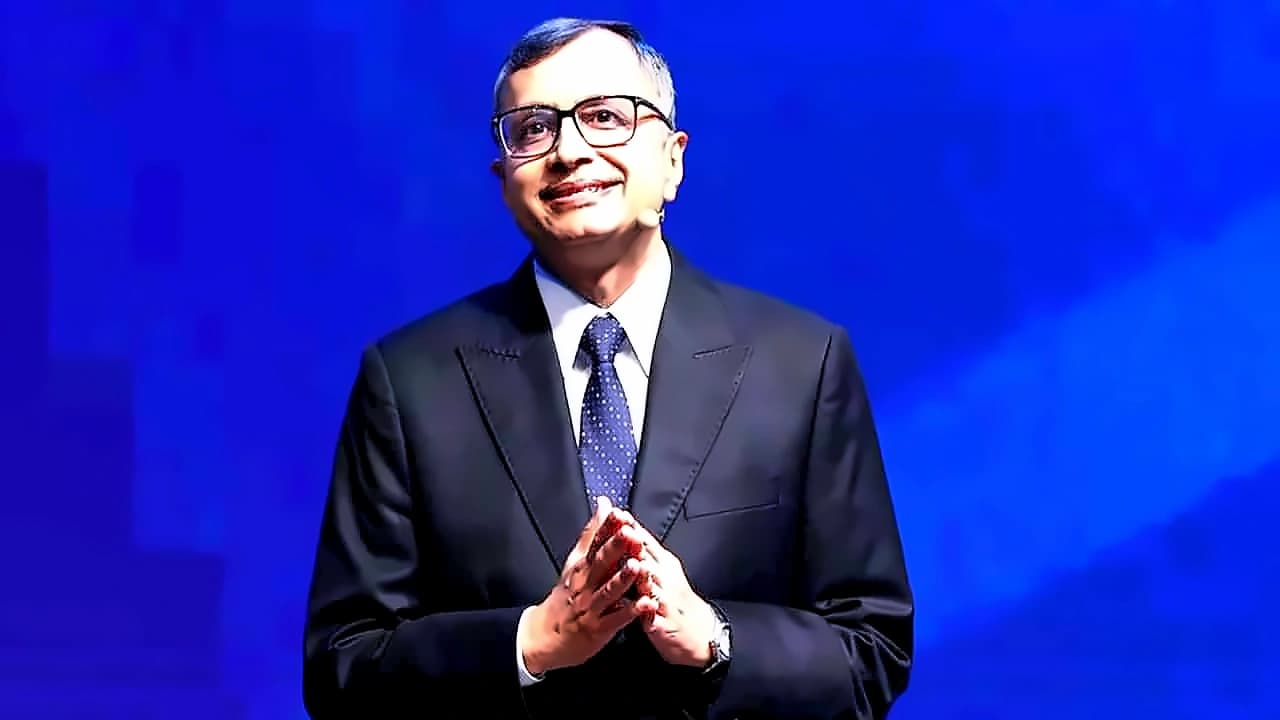
Novo Nordisk has launched Awiqli (insulin icodec), making India the sixth global market to introduce what the company describes as the world's first once-weekly basal insulin. According to reports from NDTV and Business Standard, Vikrant Shrotriya, Managing Director of Novo Nordisk India, described the launch as addressing a critical barrier to insulin adoption in the country, stating that people perceive insulin as the last resort because they associate it with multiple injections every day. The treatment cuts basal insulin dosing from 365 injections annually to just 52, targeting adults with both Type 1 and Type 2 diabetes. The drug received regulatory approval in the United States earlier this year and has already been launched in the European Union and several other countries. As per NDTV, Shrotriya called the launch "a defining moment" for diabetes care in India, saying the once-weekly regimen could ease both the psychological and physical barriers that keep patients from starting insulin therapy on time.
India faces significant diabetes treatment gaps with over 101 million people living with diabetes and an additional 136 million having prediabetes, according to Novo Nordisk. As reported by NDTV and Business Standard, only about 6-7 million people currently take insulin, even though roughly 25-30% of patients may need insulin initiation. Shrotriya identified the primary barrier as fear of multiple daily injections, stating that insulin initiation in India is often delayed by an average of 7-9 years due to perceived pain, cost, and fear of injections. Recent National Family Health Survey (NFHS-6) data has also flagged a sharp rise in high blood-sugar prevalence across both urban and rural India, adding urgency to the need for simpler treatment options. A 2022 nationwide study backed by the Indian Council of Medical Research (ICMR) and coordinated by the Madras Diabetes Research Foundation found that only one in three people with known diabetes had their condition under control, underlining just how wide the treatment gap remains.
Novo Nordisk has positioned Awiqli with competitive pricing to drive adoption. According to NDTV, the 1 ml pen containing 700 insulin units is priced at ₹2,611, while the larger 3 ml pen with 2,100 units costs ₹7,833. At an indicative dose of 70 units per week, the treatment would cost approximately ₹261-263 per week. Sources told NDTV that once-weekly insulin icodec is launching at approximately ₹3.5 per unit, virtually at price parity with existing basal insulins such as degludec and glargine. Shrotriya emphasized that the pricing is much more affordable than current analogs, positioning the company for a volume-driven strategy. The company faces competition from existing daily dose options such as Sanofi's Lantus and low-cost insulin glargine products offered by local companies including Biocon, Eris Lifesciences, and Lupin. As per NDTV, Shrotriya noted that the combination of fewer injections, competitive pricing and Novo Nordisk's distribution reach, built in partnership with Abbott, could turn Awiqli into a high-volume product.
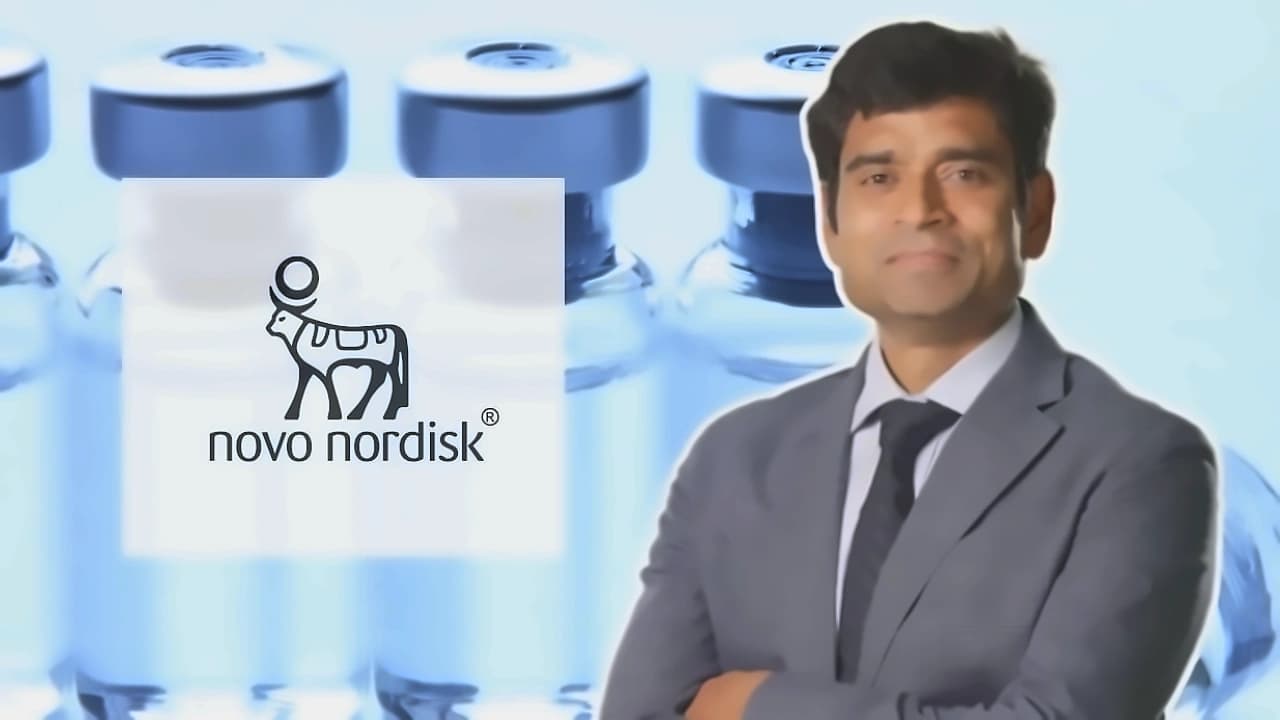
In global clinical trials, Awiqli showed better HbA1c reduction and time in range compared to daily basal insulins, with more people with Type 2 diabetes reaching an HbA1c below 7% without hypoglycaemia. According to NDTV, the treatment's efficacy is comparable to daily basal insulin injections and maintains sugar control for almost seven days without increased risk of hypoglycaemia. Endocrinologist Dr S.K. Wangnoo of Indraprastha Apollo Hospital, New Delhi explained the science to NDTV, noting that the shift from up to seven injections a week to just one addresses three concerns simultaneously - convenience, effectiveness, and safety. The preferable cohort includes patients whose basal insulin dose is already almost fixed, making this ideal for both Type 1 and Type 2 diabetes patients on stable, fixed basal insulin regimens. Data from the ONWARDS-1 study showed Awiqli delivered superior reduction in HbA1c compared with once-daily insulin glargine U100, while keeping a comparable safety profile. More Type 2 patients on Awiqli also achieved HbA1c levels below 7 percent without experiencing hypoglycaemia.
The Indian insulin market is positioned for significant growth, with IMARC forecasting the market to increase from $660.5 million in 2025 to $916.4 million by 2034, as more individuals get diabetes due to changing lifestyles, dietary patterns and predisposition. Despite the end of semaglutide exclusivity, Shrotriya expressed confidence in Novo Nordisk's competitive positioning. He noted that less than 0.5% of India's obese population currently uses these medicines compared to 15-20% in the US. The company highlighted its pipeline including Wegovy pill, CagriSema, zenagamtide, and a once-weekly growth hormone to maintain innovation momentum. India has approved Awiqli for adults with both Type 1 and Type 2 diabetes, broader than the current US approval which is only for Type 2 diabetes patients. Shrotriya called the launch "a defining moment" for diabetes care in India, saying the once-weekly regimen could ease both the psychological and physical barriers that keep patients from starting insulin therapy on time.