Tata Sons' annual general meeting on August 18, 2026, became the first-ever adjournment in the company's history when the Sir Ratan Tata Trust (SRTT) failed to nominate a representative to the meeting. According to Mint, SRTT was prevented by a 15 May order from the Maharashtra Charity Commissioner from convening its own board meeting to decide on a nominee. The meeting required quorum from both the largest shareholder Sir Dorabji Tata Trust (27.98% stake) and SRTT (23.56% stake), with the two trusts together holding more than 51% of Tata Sons. This historic failure occurred just as Noel Tata, chairman of Tata Trusts, was set to take centrestage as the group's top decisionmaker, inheriting a leaky chalice from the departing N Chandrasekaran.
Tata Group is facing renewed leadership and governance speculation after N Chandrasekaran and Noel Tata reportedly held separate meetings with senior government officials. According to media reports, Chandrasekaran and Noel Tata separately discussed issues concerning the group's future business direction and the possibility of Chandrasekaran being reappointed, though the exact dates and details of the meetings have not been disclosed. The developments have also raised questions ahead of Tata Sons' annual general meeting scheduled for August 18. The involvement of senior government officials in discussions surrounding one of India's largest business groups is unusual, though such engagement is not entirely new, following Noel Tata's appointment as chairman of Tata Trusts in 2025.
Chandrasekaran's tenure saw over ₹55,000 crore deployed into four major ventures - Tata Digital, Tata Electronics, Air India, and Agratas - with Tata Digital alone receiving over ₹22,000 crore of the holding company's money. As reported by Mint, these four businesses collectively lost about ₹29,924 crore in FY26, with Tata Digital's Tata Neu platform struggling with leadership changes, poor consumer traction, and a strategy ill-suited to the quick-commerce wave. The financial strain is compounded by TCS cutting its dividend for FY26, reducing Tata Sons' take by around 12% to ₹28,291 crore, as the IT sector faces artificial intelligence pressures. The next chairman will inherit these unfinished bets at precisely the moment TCS, the group's cash machine, is losing power.
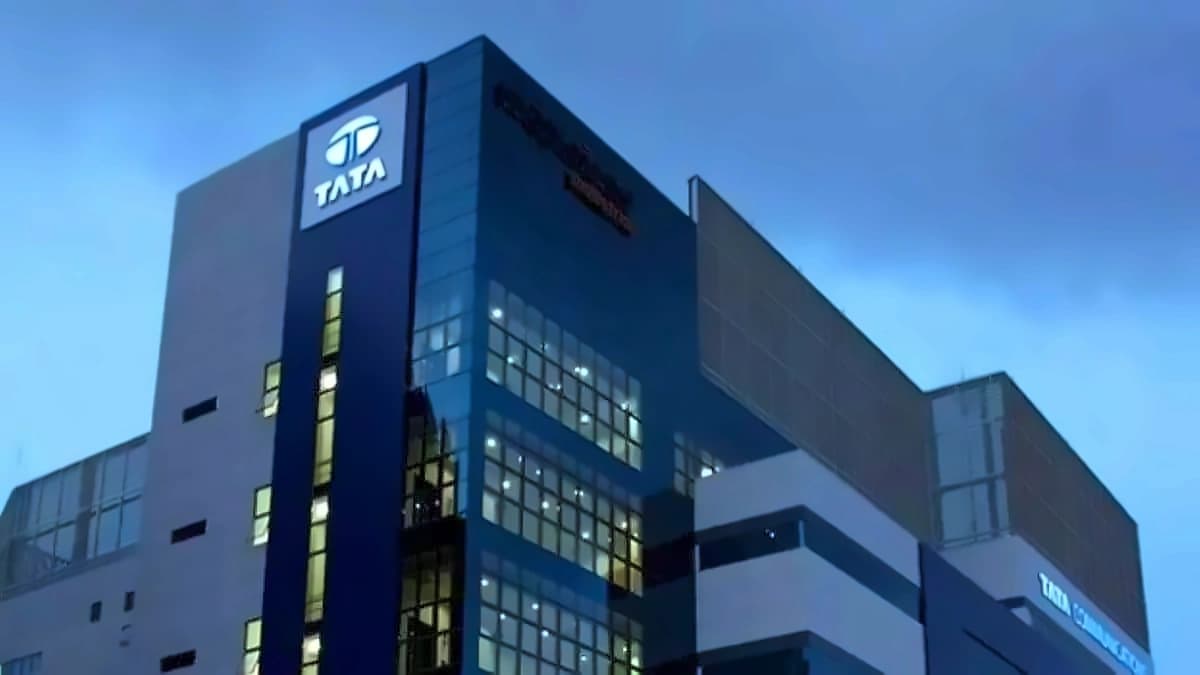
The RBI classified Tata Sons as an upper-layer non-banking financial company (NBFC) in 2022, requiring the company to list within three years. As reported by Moneycontrol, Tata Sons' deadline for listing expired in September last year, but the company has since taken steps that could affect its regulatory classification. The proposed engagement comes after the RBI had indicated that retaining Tata Sons as an unlisted company would require consensus within the Tata group. Noel Tata reportedly met senior Reserve Bank of India officials in June 2026 and raised concerns regarding the possible listing of Tata Sons, with there being reportedly differences within Tata Trusts over the proposal.
Tata Trusts collectively hold around 66% of Tata Sons, making their position crucial to the company's ownership and governance structure. According to Moneycontrol, there are reportedly differences within Tata Trusts over the listing proposal, with some arguing that a listing could reduce the trusts' control over the group's flagship holding company. The Shapoorji Pallonji (SP) Group owns around 18.38% of Tata Sons and has been looking for a way to unlock liquidity, including through a possible IPO or buyback, with the group's debt standing at around ₹60,000 crore as of March 31, 2026. As reported by Mint, Noel recognises it is fair to give the SP Group an exit, with options including selling shares in Tata Capital, Tata Auto Components, and other ready-to-list companies. The Maharashtra ordinance now requires unanimous trustee appointments rather than majority voting, which could complicate board expansion and the reconstitution of both Tata Trusts and Tata Sons boards.