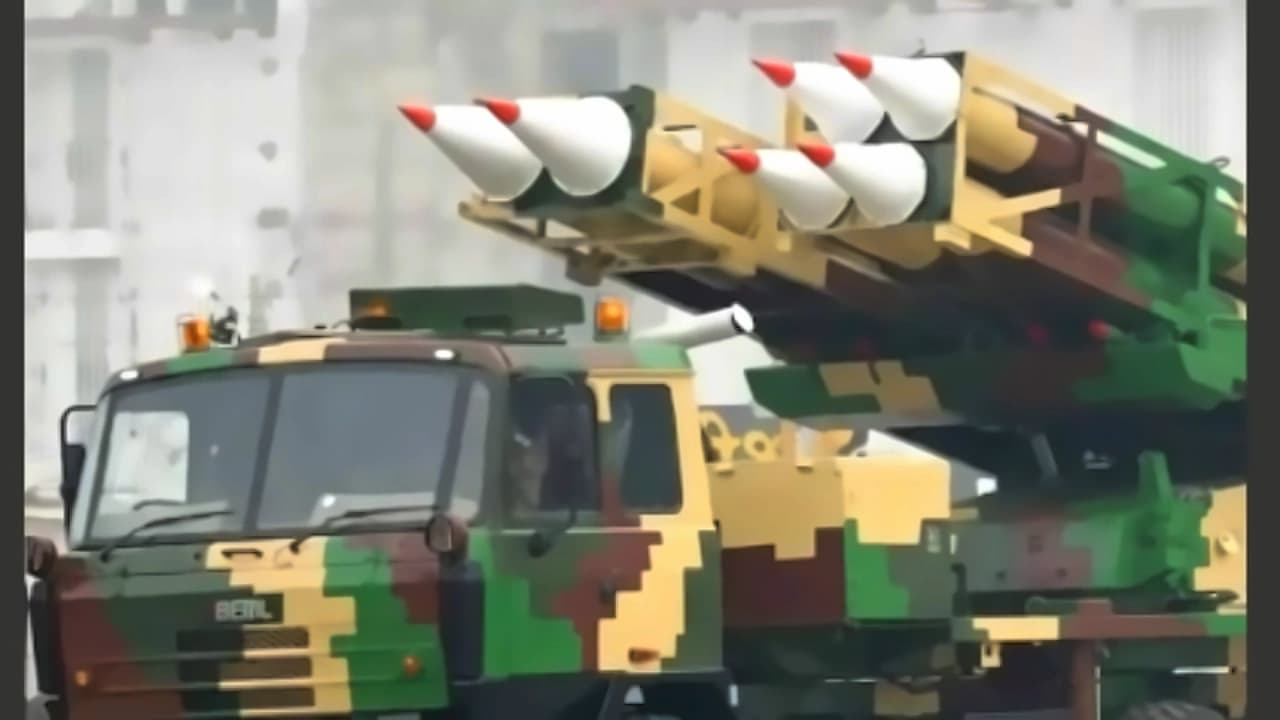
Shares of Nibe surged more than 10 percent during Friday's morning trade after the Pune-based defence equipment manufacturer successfully testfired its Suryastra rockets off the Odisha coast earlier this week. According to reports from Moneycontrol, the stock was up nearly 11 percent intraday and has rallied around 27 percent over the last three sessions since news of the rocket trials emerged. The strong market response reflects investor confidence in the company's defence capabilities and potential future orders.
On May 18 and 19, Nibe achieved a historic milestone by becoming the first Indian private defence company to demonstrate indigenous long-range rocket systems of such capability. The company successfully conducted firing trials of the EXTRA and Predator Hawk 'Suryastra' rockets, which have strike ranges of 150 km and 300 km respectively, at the Integrated Test Range in Chandipur, Odisha. As reported by Ease My Prep, these trials represent a significant milestone in India's defence preparedness and the growing role of the private sector in strategic weapons manufacturing.
The successful trials validated the long-range precision strike capability of the Suryastra system, with the company achieving a Circular Error Probable (CEP) of under 2 metres at ranges of up to 300 km. According to reports from Moneycontrol, this places the Suryastra among the world's most accurate long-range rocket artillery systems. The capability is expected to help the Indian Army strike high-value targets with minimal collateral damage, demonstrating the system's operational effectiveness for precision military operations.
In a significant development, Nibe has successfully completed maiden trials of its Vayu Astra-1 loitering munition under an Indian Army RFP for a 100-km-range system. The trials were conducted at Pokhran in Rajasthan and Joshimath in Uttarakhand under varied operational conditions, including high-altitude terrain above 14,000 feet. As reported by the company, Vayu Astra-1 struck a target 100 km away in a single attempt during an anti-personnel strike mission while achieving a CEP of less than one metre. The trials also validated abort, attack and re-attack capabilities and included an anti-armour night strike using infrared targeting, demonstrating the system's versatility and operational readiness.