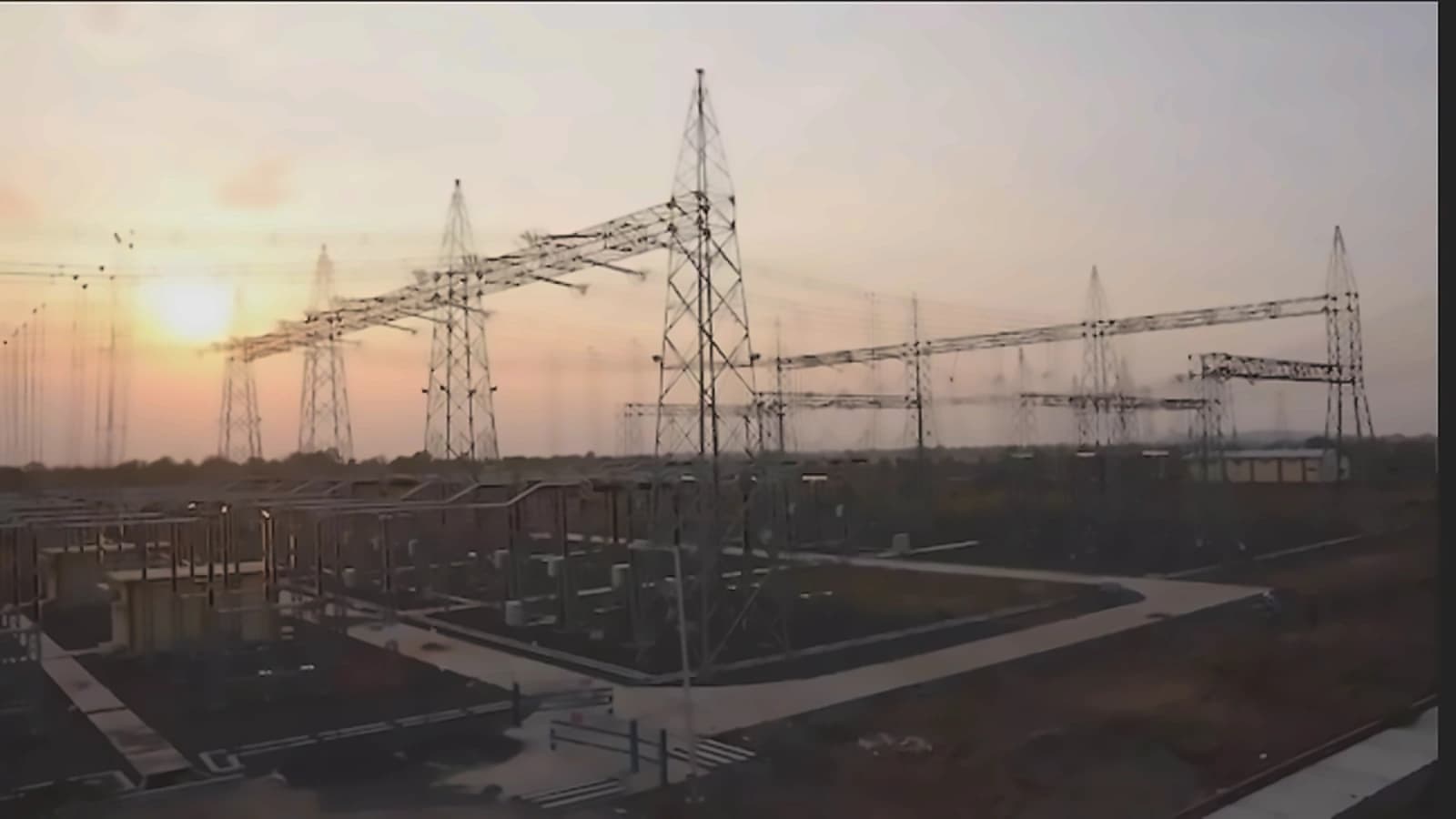
The Centre and governments of Uttar Pradesh and Haryana are implementing comprehensive measures to ensure power plants in the National Capital Region comply with emission norms as the annual pollution season approaches. According to reports from Mint, emissions from eight coal-fuelled power projects with a total capacity of over 10 gigawatts—enough to cater to about 10 million households—will be monitored through structured quarterly monitoring and technical engagement to improve compliance with emission norms and promote cleaner operations. This initiative comes as India faces mounting pressure to phase out coal-based power generation, with the Indian government's ambitious intermediate target to create 175 GW of renewable energy capacity by 2022 giving necessary policy momentum to the sector.
The monitoring initiative covers five power plants in Uttar Pradesh including NTPC Dadri, Reliance Power-backed Rosa Thermal Power Plant, THDC's Khurja Super Thermal Power Station, Uttar Pradesh Rajya Vidyut Utpadan Nigam Ltd's Harduaganj Thermal Power Plant and Jawaharpur Thermal Power Plant. As reported by Mint, the three power plants in Haryana include Indira Gandhi Super Thermal Power Project in Jhajjar district, Jindal Power's Mahatma Gandhi Super Thermal Power Project in Jhajjar, and Haryana government-owned Panipat Thermal Power Station. Power projects within a 300km radius of the national capital account for about 8% of fine particulate matter (PM2.5) pollution in the NCR. The Centre for Science and Environment reports that coal-based thermal power plants are ignoring pollution control measures, responsible for aggravating air pollution in Delhi-NCR.
Haryana and Uttar Pradesh plan to step up technical oversight of thermal power plants through quarterly workshops and plant-level training, with particular focus on emission compliance and biomass co-firing. According to Mint, the plan comes after Delhi's air quality index touched 500 at Rohini on 15 December last year, which was 10 times the level for the air to be considered fresh and free of toxins. The Uttar Pradesh State Pollution Control Board will serve as the implementing agency and conduct sensitization meetings, technical workshops and training programmes for managers and engineers of thermal power plants, covering compliance with emission norms, operational performance, emission-control systems, environmental reporting and technical requirements associated with biomass utilization and co-firing. The estimated capital expenditure required to meet new emission standards is about ₹860 billion (US$12 billion), which will add between ₹0.32–0.72/kWh to existing tariffs, potentially forcing many older plants to close.
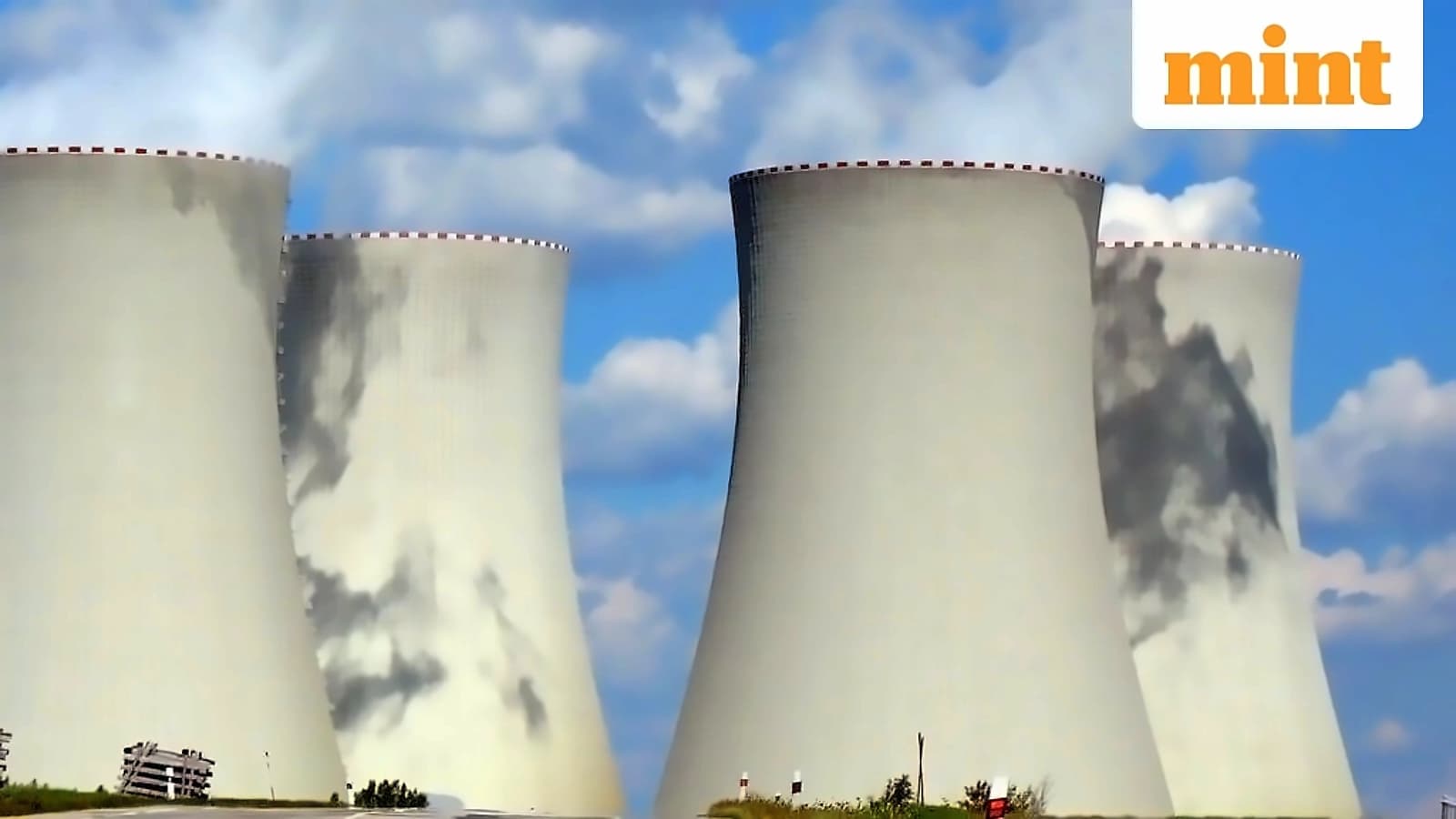
Coal-fuelled power generation faces unprecedented competition from renewable energy sources, with recent auctions for round-the-clock electricity from renewable energy with battery storage achieving an average tariff of ₹4.30/kWh (US$0.06/kWh)—the cheapest renewable-plus-battery storage tariff anywhere in the world. According to the Central Electricity Authority, the share of renewable energy in total installed power capacity is projected to reach nearly twice that of coal by 2029-2030, with the share of gross electricity generation from renewable energy projected to rise from 21% today to 44% by the end of the decade. The International Energy Agency predicts that global investments in new coal-fired power projects have been declining over recent years, while the Indian government's revised NDCs present at COP26 in Glasgow aim to limit temperature increase to close to 1.5°C, necessitating massive reduction in coal consumption.
Air pollution worsens across the NCR every winter as vehicle emissions, construction and demolition waste and road dust are trapped close to the ground. As reported by Mint, the seasonal deterioration is caused by low wind speeds and a shallow atmospheric mixing layer, limiting the dispersion of pollutants and increasing the risk of prolonged episodes of poor air quality. The Indian government launched SAMARTH (Sustainable Agrarian Mission on use of Agri-Residue in Thermal Power Plants) in 2021 to promote biomass co-firing in coal-based thermal power plants, aimed at addressing air pollution due to farm-stubble burning and reducing the carbon footprint of thermal power generation. The Indian government's ambitious interim target to create 175 GW of renewable energy capacity by 2022 has given the necessary policy momentum to the RE sector and helped build investor confidence, with capacity additions in renewable energy steadily surpassing that in coal-based thermal power since 2016-2017.