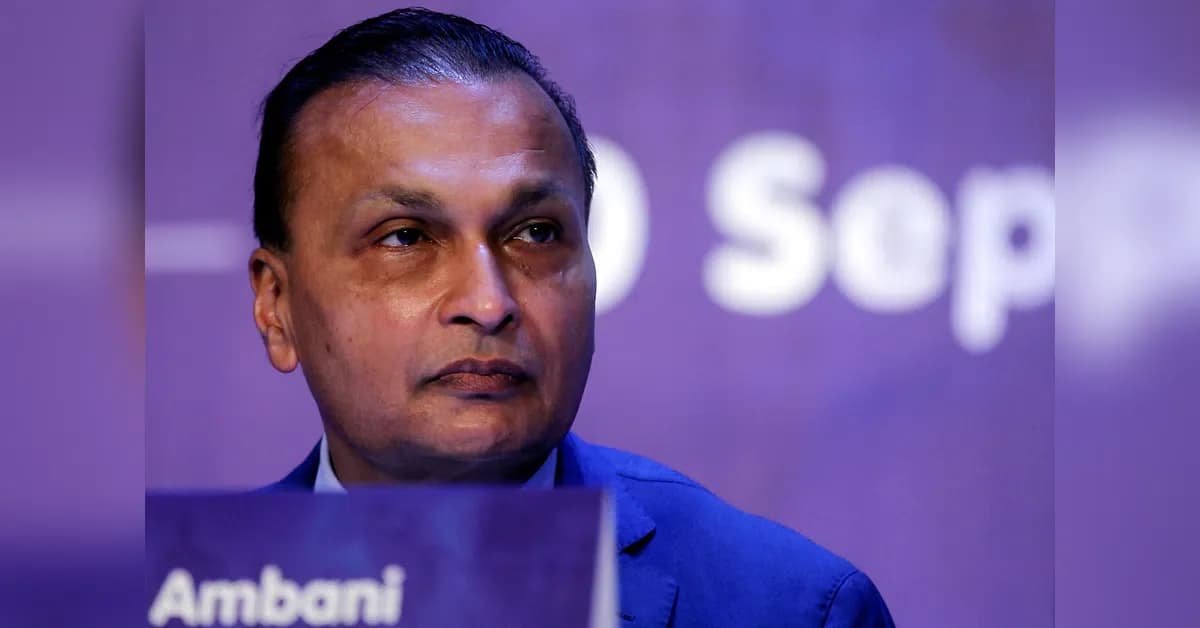
The Mumbai bench of the National Company Law Tribunal (NCLT) on Thursday admitted State Bank of India's plea to initiate personal insolvency proceedings against industrialist Anil Ambani, paving the way for action against him in his capacity as a personal guarantor of loans extended to Reliance Communications. According to reports from Business Standard, the tribunal's decision clears the way for the commencement of a personal insolvency resolution process and the appointment of a Resolution Professional under the Insolvency and Bankruptcy Code (IBC) framework. A division bench comprising judicial member Sushil Mahadeorao Kochey and technical member Prabhat Kumar admitted the application through an oral order, with the detailed order still awaited. The application was filed under Section 95(1) of the IBC, which enables creditors to initiate insolvency proceedings against individuals, including personal guarantors to corporate debtors, through a resolution professional.
SBI had approached the tribunal in 2020, alleging that Ambani had furnished personal guarantees for loans availed by Reliance Communications. As reported by Business Standard, the lender sought recovery of more than ₹1,200 crore from Ambani under provisions of the Insolvency and Bankruptcy Code. Reliance Communications was admitted into Corporate Insolvency Resolution Process (CIRP) in 2019 following loan defaults, with the company's admitted liabilities exceeding ₹94,000 crore according to data available with the Insolvency and Bankruptcy Board of India. At the time SBI moved the insolvency application against Ambani, Reliance Communications owed the bank nearly ₹5,000 crore. The case stems from SBI's attempt to recover around ₹1,200 crore linked to personal guarantees allegedly issued by him for loans extended to Reliance Communications (RCom) and Reliance Infratel.
According to reports from Economic Times, a spokesperson for Ambani stated that the case relates to 'a disputed personal guarantee allegedly extended by him to the SBI in 2016', adding that the guarantee pre-dated the introduction of India's personal insolvency framework. The spokesperson explained that 'the underlying facility had been availed by Reliance Communications for the repayment of its borrowings from Chinese lenders, and Mr Ambani derived no personal benefit from the said funds'. As reported by Business Standard, the spokesperson indicated that 'the Order, once available, will be reviewed by the legal team and challenged through appropriate legal remedies, as advised', with Ambani remaining confident of vindicating his position before the appropriate forums. According to media reports, Ambani is expected to challenge the NCLT order before the National Company Law Appellate Tribunal (NCLAT).
Commenting on the implications of the ruling, Rajeev Nair, partner at Rajani Associates, said the NCLT Mumbai's admission of SBI's plea against Anil Ambani is a significant affirmation of the personal insolvency framework under the IBC and reinforces the enforceability of personal guarantees. According to Business Standard, Nair added that the development shows personal guarantees are legally binding obligations carrying serious consequences, ensuring that promoters who secure corporate borrowings remain accountable for their commitments. However, he noted that given the litigation history in the matter, SBI may still have to defend the order before appellate forums if it is challenged. The legal expert emphasized that the ruling demonstrates the effectiveness of the personal insolvency framework in holding guarantors accountable for corporate debt obligations.