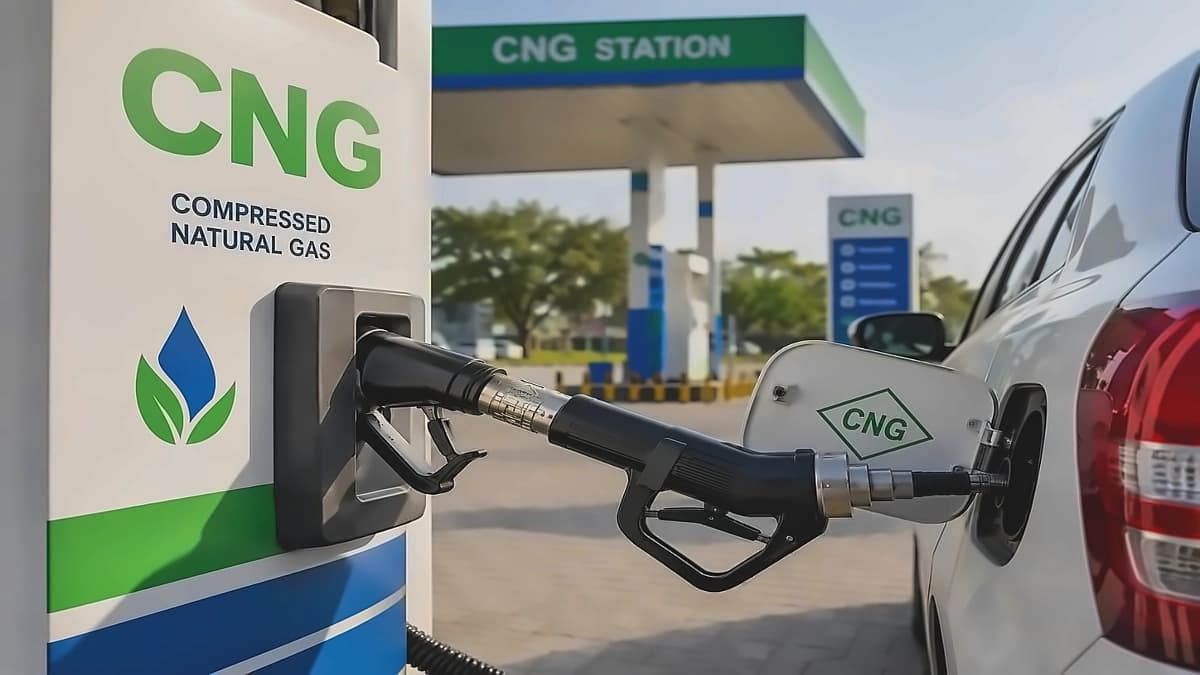
State-run gas distributor Mahanagar Gas Limited (MGL) has implemented a ₹2 per kg increase in compressed natural gas (CNG) prices across the Mumbai Metropolitan Region (MMR). According to reports from Lokmat Times, the fuel will now cost ₹84 per kg across Mumbai, Thane, Navi Mumbai and other parts of the MMR with immediate effect from midnight on May 14. The previous pricing was set at ₹82 per kg, representing a 2.5% increase in retail rates. In a statement issued after the revision, MGL attributed the price hike to rising gas procurement costs driven by geopolitical tensions in West Asia and volatility in the global energy market. The company stated that geopolitical tensions have disrupted the global energy supply chain, increasing dependence on expensive gas sources, rising crude oil prices and the depreciation of the rupee against the dollar have significantly increased the cost of gas procurement, making a price revision necessary.
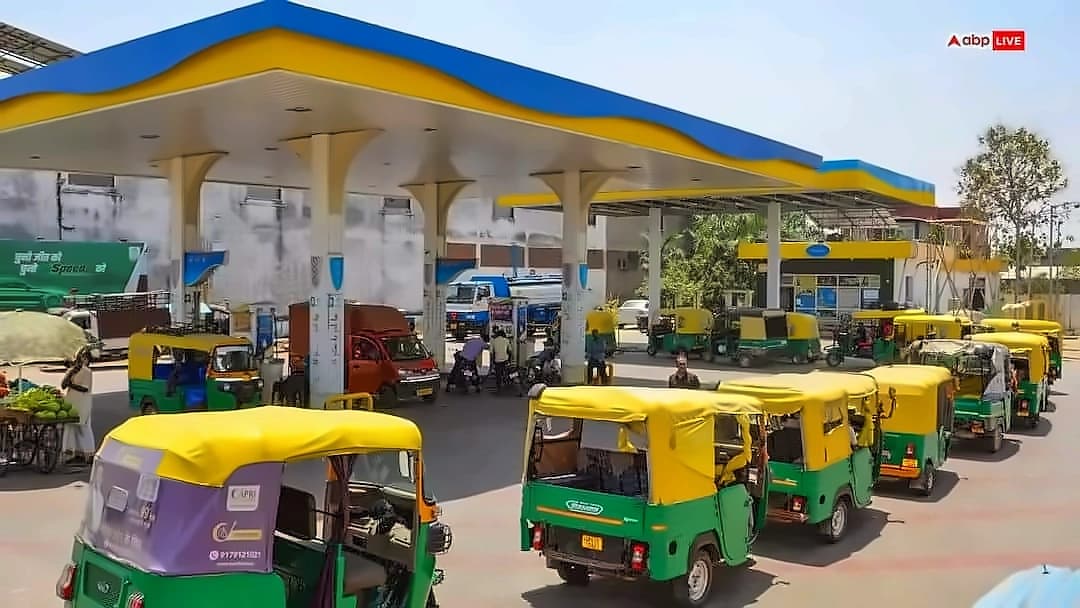
The price hike has prompted immediate response from auto-rickshaw unions, who have demanded fare revisions to offset the increased operating costs. As reported by Lokmat Times, union representatives have sought at least a Re 1 increase in the base fare for auto-rickshaws and urged authorities to take a decision at the earliest. According to Mumbai Mirror, the CNG price increase translates to an operational cost jump of approximately ₹1.03 per km for autorickshaw operators. An auto union leader stated that this shift pushes the estimated per-kilometre running cost to over ₹18.3. Transport sector officials said discussions on revising autorickshaw and taxi fares could take place soon. Beyond autos and taxis, the revision will also impact thousands of BEST and state transport buses, as reported by Mumbai Mirror. The unions argue that repeated fuel price increases are adversely impacting drivers' earnings and making it increasingly difficult for them to operate vehicles under the existing fare structure.
The price hike affects a significant portion of Mumbai's transport ecosystem, with nearly 12.8 lakh vehicles in MMR currently running on CNG. According to MGL data, this includes roughly 4.7 lakh autorickshaws, over 1.6 lakh taxis, and more than 5 lakh private cars. As per Lokmat Times, the hike is expected to have a direct impact on the operating costs of auto-rickshaws, taxis and commercial vehicles across the Mumbai Metropolitan Region. The impact is particularly significant for daily commuters who rely on CNG-powered public and private transport, with the ongoing conflict involving Iran and escalating tensions in West Asia having triggered a surge in global fuel prices in recent weeks. The continued rise in operating costs has made it increasingly difficult for drivers to operate vehicles under the existing fare structure, highlighting the cascading effect of fuel price increases on transportation services across the city.
While MGL has increased CNG prices, other major gas distributors maintain different pricing structures. As per Goodreturns, Indraprastha Gas (IGL) has kept CNG rates unchanged since January 1, 2026, with rates varying significantly across cities - from ₹77.09 per kg in Delhi to ₹88.42 per kg in Kanpur. Adani Total Gas has updated its rates in April 2026, with prices ranging from ₹83.77 per kg in Ahmedabad to ₹96.08 in Jhansi. The price differential reflects regional supply dynamics and local market conditions, with northern cities generally charging higher rates compared to Mumbai. Despite the new rate of ₹84 per kg, CNG still offers 44% savings compared to petrol and 7% savings over diesel at current market levels, according to MGL officials. However, repeated revisions in fuel prices over the past few years have raised concerns among daily commuters and transport operators, with transport unions and drivers expected to closely monitor the situation, especially if global crude oil prices continue to remain volatile amid ongoing geopolitical uncertainty in West Asia.