PV Krishna Reddy has secured approximately ₹6,700 crore ($720 million) from global private credit investors through a structured financing deal to acquire his uncle's stake in Megha Engineering & Infrastructures Ltd. According to Bloomberg, the financing consortium includes Davidson Kempner Capital Management, Varde Partners and Elham Credit Partners, with the debt raised through multiple bond tranches carrying returns of up to 17.75 per cent. The transaction involves a special purpose vehicle, Provantage Infra Pvt., which offered two tranches of ₹1,750 crore each at 17.75 per cent base rate with equity-linked upside payments, along with ₹2,700 crore of 18-month bonds at 16 per cent coupon and a ₹500 crore fourth tranche with less than three-year tenor. The debt is secured partly by a pledge over 19.99 per cent of the infrastructure firm, with notes having an option to extend by up to 12 months. As per Bloomberg, this layered transaction represents one of the largest new-money private credit deals this year in India, highlighting the growing role of private credit in funding large, complex transactions that can be difficult to execute through traditional bank financing.
The confidence of global investors is reflected in the valuations assigned to the businesses, with MEIL valued at approximately ₹1 trillion and EPTL, the group's energy transition business, valued at around ₹14,000 crore at this stage. As reported by Business Standard, investors have recognised MEIL Group as a strong platform to participate in India's next decade of infrastructure expansion and economic growth. The group's diversified portfolio spans irrigation, transportation, energy, oil and gas, manufacturing, clean mobility and advanced infrastructure. Over the past three decades, MEIL has grown into one of India's prominent infrastructure and engineering groups, with projects across more than 20 countries and road projects extending across approximately 1,975 kilometres. Megha Engineering, founded in 1989 as a small fabrication unit in Hyderabad, has evolved into a comprehensive infrastructure company with projects spanning tunnels, ports, highways, water systems and power assets.
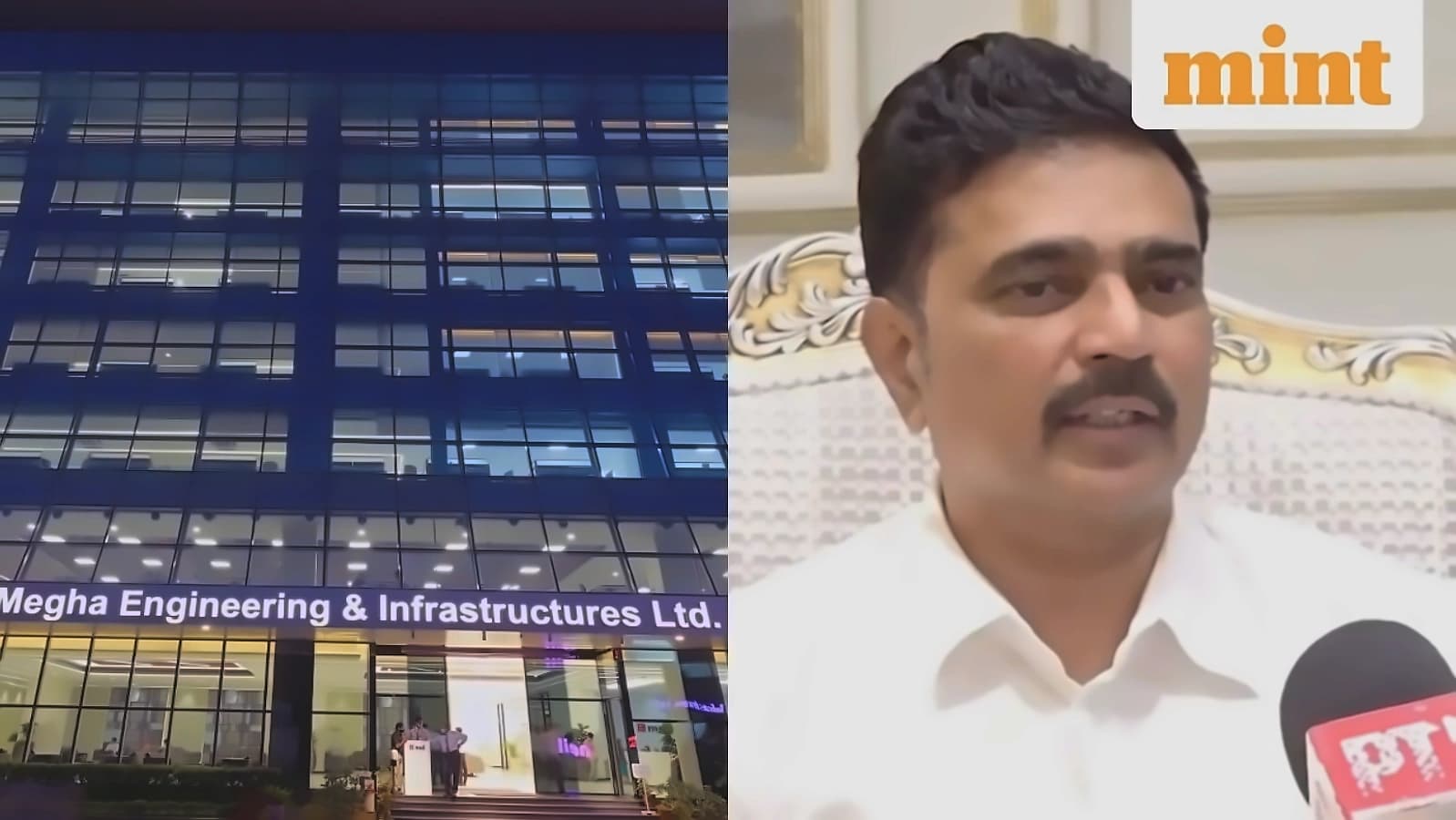
Megha Engineering & Infrastructures Limited has demonstrated strong financial growth, with consolidated revenue increasing from approximately ₹19,237 crore in FY18 to ₹42,669 crore in FY25, while net profit rose from ₹2,435 crore to ₹3,072 crore during the same period. According to Forbes, the company started by building small pipes for municipalities and has since expanded into infrastructure projects including dams, natural gas distribution networks, power plants, and roads. The group's portfolio includes several landmark national infrastructure projects, including the Zojila Tunnel, Mumbai Coastal Road, Thane-Borivali Twin Tunnel, Polavaram Project, Kaleshwaram Lift Irrigation Scheme and Palamuru-Rangareddy Lift Irrigation Project. In the energy sector, MEIL is developing pumped storage projects with a combined capacity exceeding 9,110 megawatts (MW) and implementing approximately 3,000 MW of solar power projects.
One potential exit route for the investors could be an initial public offering of flagship Megha Engineering & Infrastructures Ltd within the next two to three years, according to sources familiar with the transaction. An IPO could allow the company to refinance the structured credit and provide investors with an opportunity to exit, although no final decision on a listing has been taken. The financing is expected to close on November 17, with Khaitan & Co and Deloitte acting as legal and transaction advisers respectively. The family buyout would mark a major ownership transition for the business founded by P P Reddy more than three decades ago, with the transaction consolidating Krishna Reddy's control over the infrastructure conglomerate. The transaction highlights the growing role of private credit in India, with the country's private credit sector doubling to about $25 billion in assets under management at the end of 2025, according to Moody's Ratings. This compares to the US market which manages more than $1 trillion in assets.