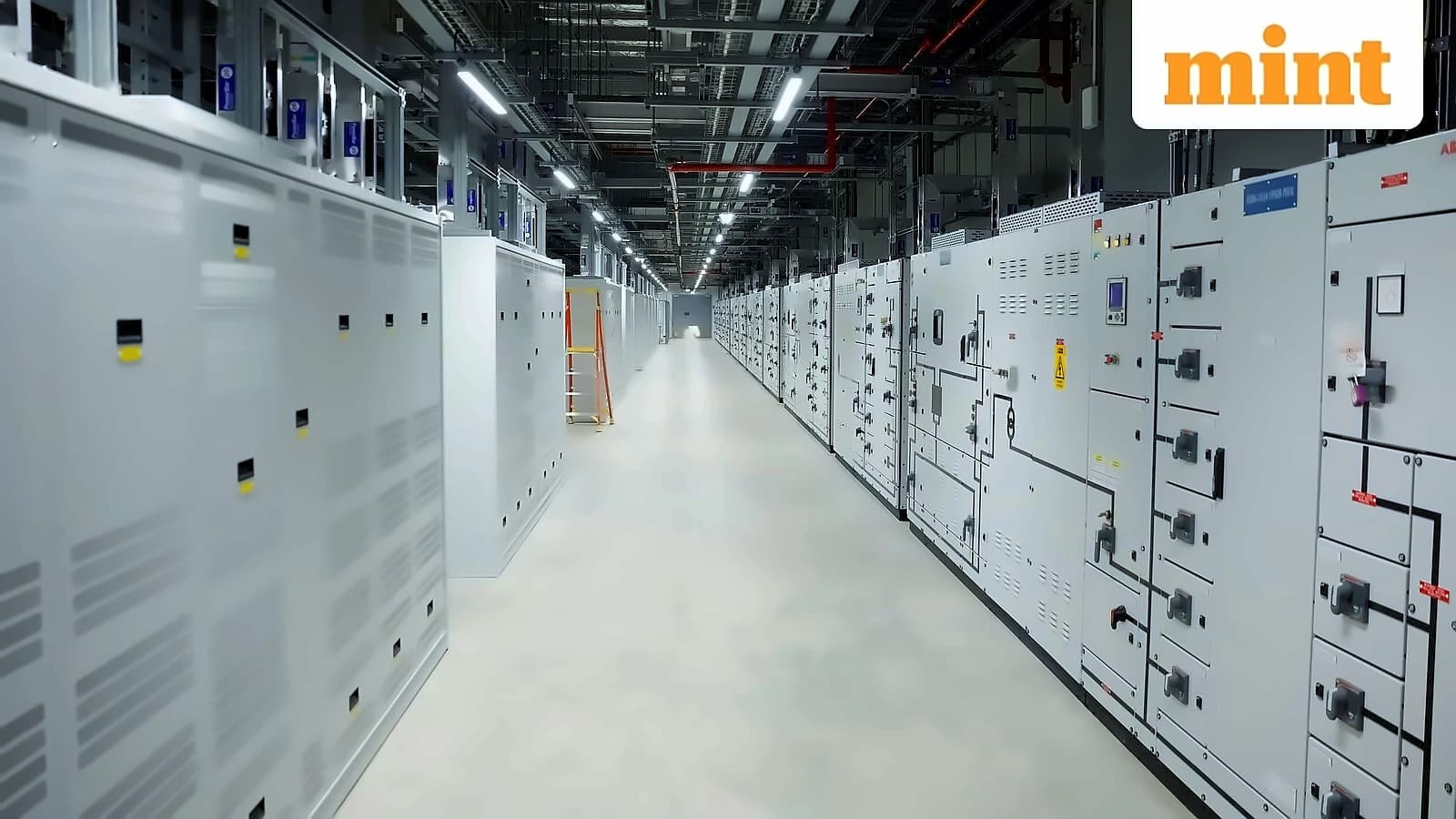
Diesel engines and power solutions manufacturer Kirloskar Oil Engines Ltd. reported mixed results for the June quarter ended June 30, 2026. According to the latest unaudited financial results approved by the Board of Directors on August 6, 2026, the company posted a consolidated net profit of ₹111.1 crore for Q1FY27, marking a 17% decline from ₹134.2 crore in the corresponding period of the previous fiscal year. Despite the profit contraction, consolidated revenue from operations rose 13% year-on-year to ₹1,999.5 crore, up from ₹1,761.8 crore in Q1FY26. The divergence between top-line growth and profit erosion highlights significant margin pressure, with standalone EBITDA margins compressing to 11.2% from 13.5%, primarily due to geopolitical uncertainties impacting exports and elevated operational costs. On a standalone basis, the company reported revenue from operations increased 16% year-on-year to ₹1,471 crore compared with ₹1,272 crore in Q1 FY26, with net profit at ₹99 crore, down from ₹110 crore in the previous year.
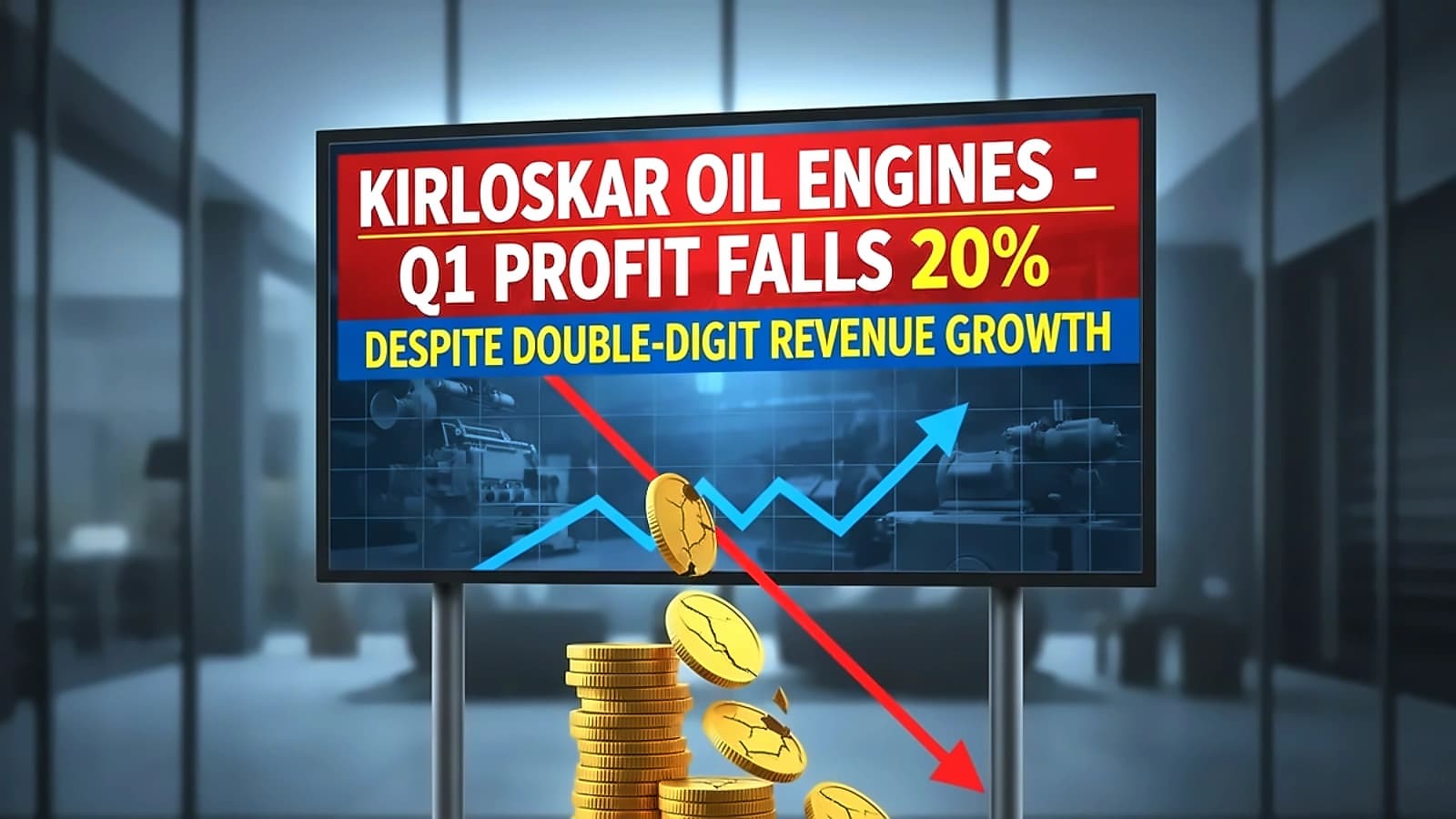
The company's operating performance showed significant softening during the quarter. Standalone EBITDA declined 4% to ₹165 crore from ₹172 crore in the previous year, reflecting the impact of calibrated pricing actions and cost optimization efforts against global geopolitical developments. The consolidated bottom line fell to ₹111.1 crore, primarily due to higher operational expenditures across subsidiaries and elevated raw material costs. This margin compression meant that despite generating significantly higher revenue than a year ago, the increase did not translate into stronger earnings due to weaker operating profitability. The consolidated finance costs stood at ₹116.0 crore, while other income dropped sharply to ₹15.2 crore from ₹34.7 crore in the prior year, indicating that non-operating gains did not replicate previous levels, leaving core operations to absorb fixed costs without sufficient margin cushion. The net profit margin declined to 5.6% from 7.6% in the previous year, while standalone EBITDA margin compressed to 11.2% from 13.5%.
The Power & Energy (B2B) segment remained the company's largest revenue contributor, generating ₹1,488.4 crore, a 17% increase from ₹1,276.3 crore in Q1FY26, supported by broad-based growth across domestic markets. According to the latest results, domestic sales surged 19% to ₹1,369 crore, driven by robust demand in the Powergen and Industrial segments, while standalone international sales declined 11% to ₹92 crore from ₹120 crore in the previous year due to geopolitical uncertainties in West Asia. The company secured a major 192 MW order from digital infrastructure company HyperNext in June 2026 for 96 units of its 2,500 kVA Optiprime Dual Core power systems, demonstrating strong traction in the high-horsepower segment. The B2C segment also performed well, with revenue rising to ₹301.0 crore from ₹291.8 crore, while Financial Services contributed ₹210.2 crore, up from ₹193.7 crore. The Distribution & Aftermarket business recorded another strong quarter, supported by higher service revenues and the successful execution of its first turnkey high-horsepower repowering project.
The company is actively deploying its capital roadmap to support high-horsepower capacity expansion, with a massive ₹1,400 crore CapEx cycle underway to capture high-horsepower backup engine demand, particularly from hyperscale and AI data centers. During the quarter, Kirloskar Oil Engines incorporated Kirloskar Advanced Systems Private Limited as a wholly owned subsidiary, investing ₹9 crore towards initial equity subscription. The company also made a payment of ₹8.28 crore (AED 3.20 million) towards further investment in Kirloskar International ME FZE, its UAE-based subsidiary. The Nomination and Remuneration Committee approved the grant of 2,40,000 employee stock options under the KOEL ESOP 2019 plan, with 36,108 options voluntarily surrendered, and the company allotted 20,735 fully paid-up equity shares upon exercise of options, increasing paid-up capital to ₹29.08 crore. While this front-loading of expenses weighs on current quarterly profitability, it positions the company to tap into a high-specification, mission-critical customer segment over the medium-to-long term. The company maintained cash and cash equivalents of around ₹485 crore (net of debt).
Commenting on the results, Vice Chairperson and Managing Director Gauri Kirloskar attributed the performance to broad-based domestic growth across Power Generation, Industrial, and Distribution & Aftermarket businesses, which offset weakness in key export markets. According to the latest results, the company emphasized its transformation into a technology-led engineering entity, citing investments in OptiPrime modular power systems and gas-based distributed power solutions as strategic drivers for long-term resilience. Working capital position showed an increase in inventories to ₹820 crore (64 days) and payables to ₹950 crore (81 days), indicating potential supply chain adjustments or strategic stockpiling ahead of anticipated demand cycles. The company noted that exports continued to be impacted by geopolitical developments and delayed customer investments in international markets. To manage these challenges, KOEL implemented calibrated pricing measures and continued efforts to improve operational efficiency and control costs. The company expects these initiatives to improve profitability over time while supporting long-term growth. The company declared a final dividend of ₹4.5 per share with a record date of July 31, 2026, and continues expanding its dealer and distribution network through new channel appointments.