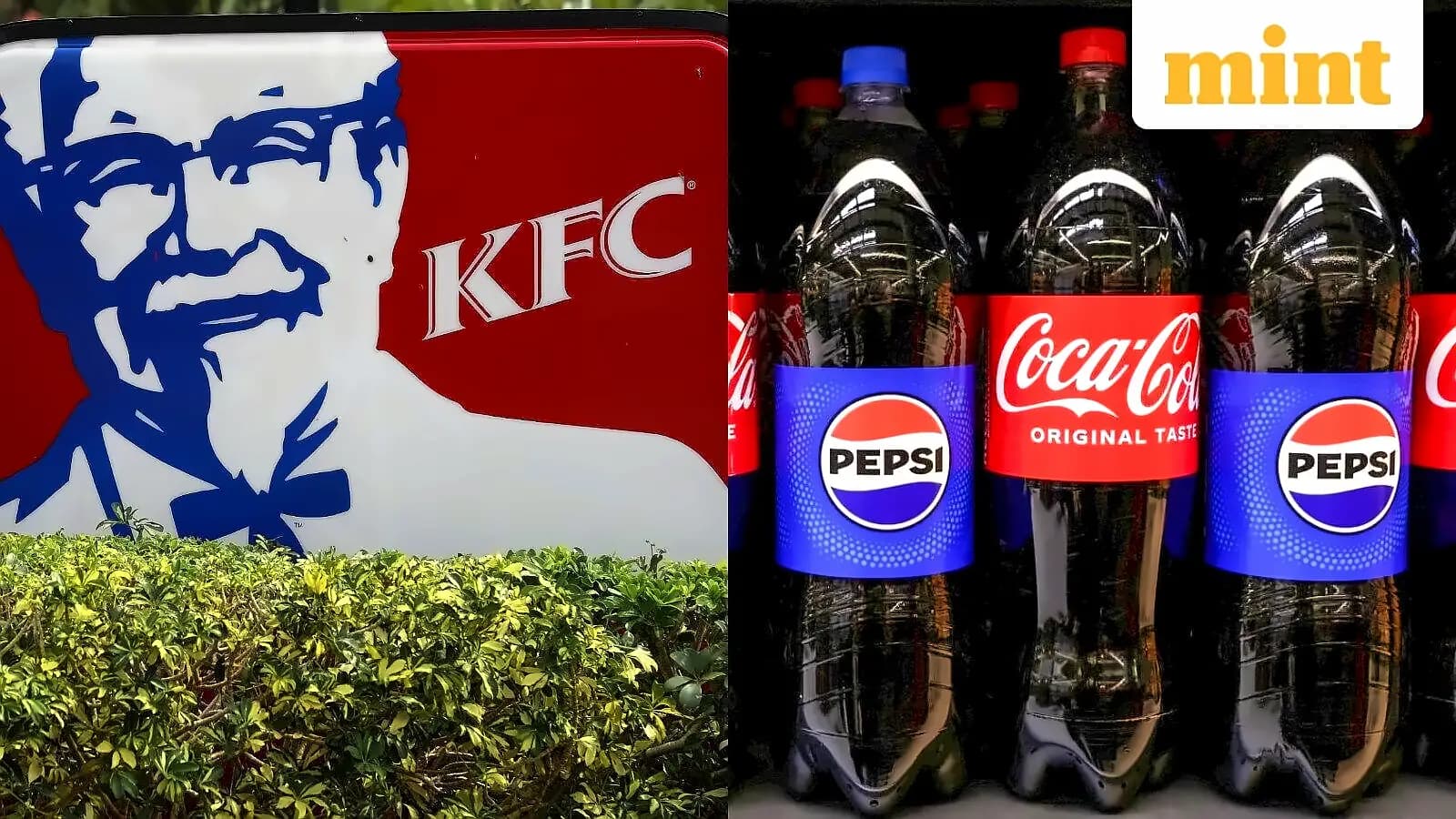
KFC announced on Thursday that its US restaurants will switch from PepsiCo to Coca-Cola beverages next year, marking the first time in decades that the Yum Brands chain has changed its drink supplier. According to CNBC, KFC's US restaurants have served PepsiCo drinks ever since PepsiCo bought KFC in 1986, though some international markets have continued to serve Coke products. At the time of acquisition, KFC was Coke's second-largest fountain account, trailing only McDonald's, as reported by CNBC.
KFC aims to win back US diners who have shifted to competitors like Chick-fil-A or Popeyes through this beverage partnership change. As reported by CNBC, KFC US President Catherine Tan-Gillespie stated in a memo to franchisees that "A new beverage offering, with a new partner in Coca-Cola, gives us a platform to innovate, meet changing tastes and give customers more reasons to choose us." The company expects to be serving Coke beverages in all US restaurants by the end of the first quarter of 2027.
The beverage switch comes as fast-food chains increasingly use drinks to attract consumers, with restaurants like McDonald's and Taco Bell expanding their offerings with refreshers and specialty drinks. According to CNBC, KFC recently unveiled new drinks including iced coffees and shakes at its innovation restaurant in McKinney, Texas. Coca-Cola has helped many restaurant partners create new beverage offerings, as noted by the company earlier this year.
The loss of KFC's beverage partnership, which operates 3,718 US locations, could significantly impact PepsiCo as it works to improve soda sales while facing challenges in its snacks business. As reported by Reuters, Jay Woods from Freedom Capital Markets noted that "It is just a bad look for PepsiCo when you lose a big-name brand partner like that." The switch follows similar moves by other major chains, including PepsiCo's loss of Dunkin' in 2012 and its acquisition of Subway in 2024 from Coke. PepsiCo faces additional pressure from activist investor Elliott Investment Management, which has asked the company to sell underperforming assets and improve North American performance.