The Karnataka government's Legal Metrology Department conducted a comprehensive inspection of IOCL's Devanagonthi terminal near East Bengaluru on November 25th, revealing significant measurement discrepancies. According to the notice issued by the Office of the Joint Controller of Legal Metrology, Bangalore and Mysore Division, the inspection found that mass flow meters on Bay 9 were dispensing excess ethanol by 14 litres for every 3,000 litres measured, representing nearly 0.5% excess ethanol delivery. The same bay's petrol dispensing system was found short by 4-6 litres for every 3,000 litres, equivalent to about 0.02% shortage. Additionally, mass flow meter on Bay 4 was delivering excess ethanol by 3 litres for every 3,000 litres, representing about 0.01% excess. When combined, these errors add up to approximately 0.7% total discrepancy in the blending process. The department noted that inaccuracies in measuring instruments could result in incorrect determination of petroleum quantities supplied, affecting consumers, dealers and other stakeholders.
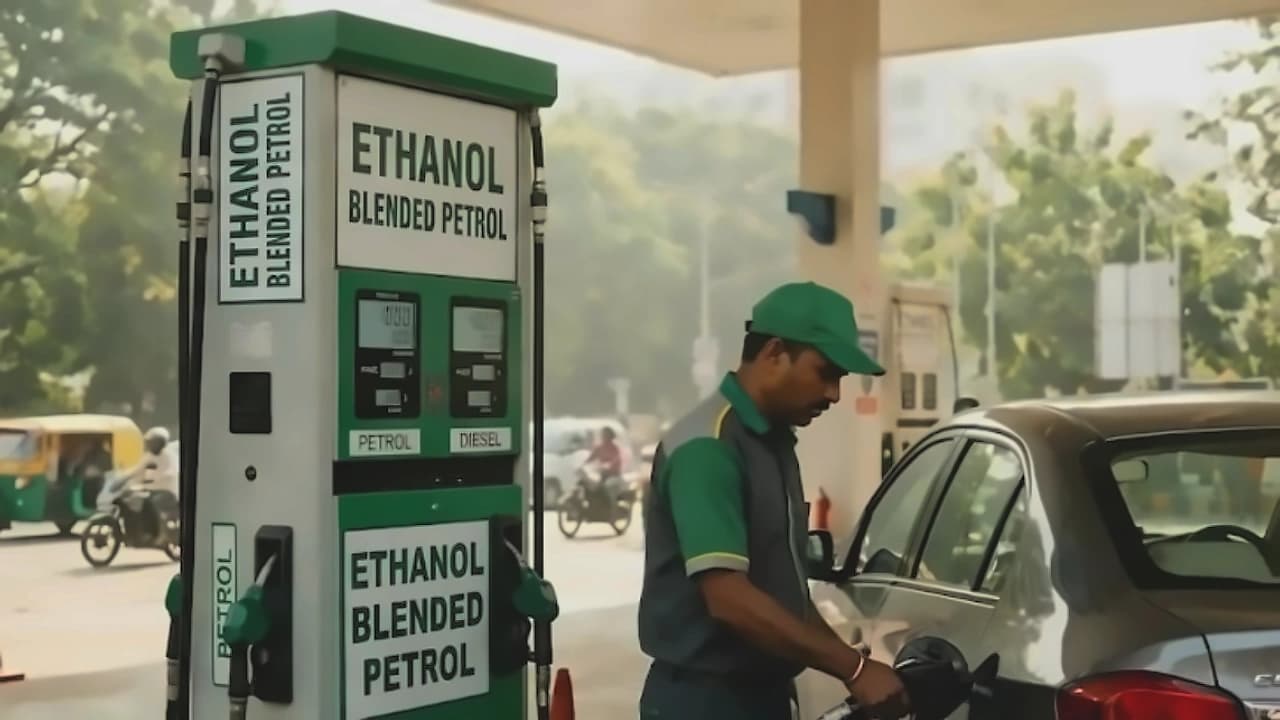
The latest action follows Karnataka's recent exposure of over-blending of ethanol in petrol beyond the prescribed E20 limit. As reported by Business Standard, Minister Arshad had previously alleged that oil marketing companies were supplying petrol blended with more than 20 per cent ethanol, with tests recording levels of over 30 per cent in some cases. The allegations were based on tests conducted on fuel samples collected from multiple locations across the state, including Bengaluru, Kolar, Chikkaballapura, Bengaluru Rural, Ramanagara, Mangaluru, and Tumakuru. According to the minister's press statement on November 6, samples drawn from all major fuel companies showed an ethanol blend of more than 20 per cent, with Indian Oil Corporation (IOC) recording blend levels of 31.2 per cent and Hindustan Petroleum (HPCL) recording 30.5 per cent. The Bureau of Indian Standards (BIS) permissible range for ethanol content should be strictly maintained between 19% and 21% by volume, making the terminal's findings significantly beyond legal limits.
The Karnataka government has issued a show-cause notice to Indian Oil Corporation's (IOC) Devanagonthi terminal in Bengaluru under the Legal Metrology Act regarding discrepancies in ethanol and petrol measurements. According to the notice, officials inspected mass flow meters installed at the IOCL terminal using a verified master proving measure, identifying excess delivery of ethanol as well as short delivery of motor gasoline (petrol) through the measuring systems. The department stated that the discrepancies were beyond the permissible limits prescribed under the Legal Metrology Act, 2009, and the applicable rules. The notice specifically asks IOCL to explain the reasons for the deviations and provide details of the measures taken to maintain the accuracy of the mass flow meters and associated batch control units. The company has been directed to submit its latest calibration and maintenance records, verification certificates and other supporting documents within seven days of receiving the notice. Further, IOCL has been directed not to use the concerned measuring systems for commercial transactions until their accuracy and compliance with statutory requirements are established.
The action comes after Karnataka urged the Centre earlier this month to review implementation of the E20 ethanol-blending programme. In a recent letter to Union Petroleum Minister Hardeep Singh Puri, Minister Arshad revealed that independent testing of 14 fuel samples at NABL-accredited laboratories found ethanol levels above 20% in 11 samples. The ethanol content ranged from 13.5% to 31.2%, reinforcing the state's concerns about widespread over-blending across the fuel distribution network. The minister emphasized that Karnataka supported ethanol blending but opposed over-blending and any compromise on consumer interests, highlighting the state's commitment to ensuring proper implementation of the ethanol programme while protecting consumer welfare.
The oil marketing companies had previously clarified that the claims were not supported by testing conducted in accordance with prescribed statutory and technical procedures. As reported by Business Standard, the OMCs stated that E20 petrol supplied by the three OMCs across the country, including Karnataka, conforms to IS 17021, the Bureau of Indian Standards specification for ethanol-blended motor gasoline. The companies emphasized that their ethanol-blended petrol meets all regulatory requirements and standards. However, the latest inspection findings directly challenge these claims, as the faulty meters at the blending facility significantly increase the chances of ethanol blending going wrong, with the terminal's errors adding up to 0.7% total discrepancy. The Legal Metrology Department noted that discrepancies were observed during testing against the verified master proving measure, indicating significant deviation in the measurement of petroleum products handled through the respective measurement systems.