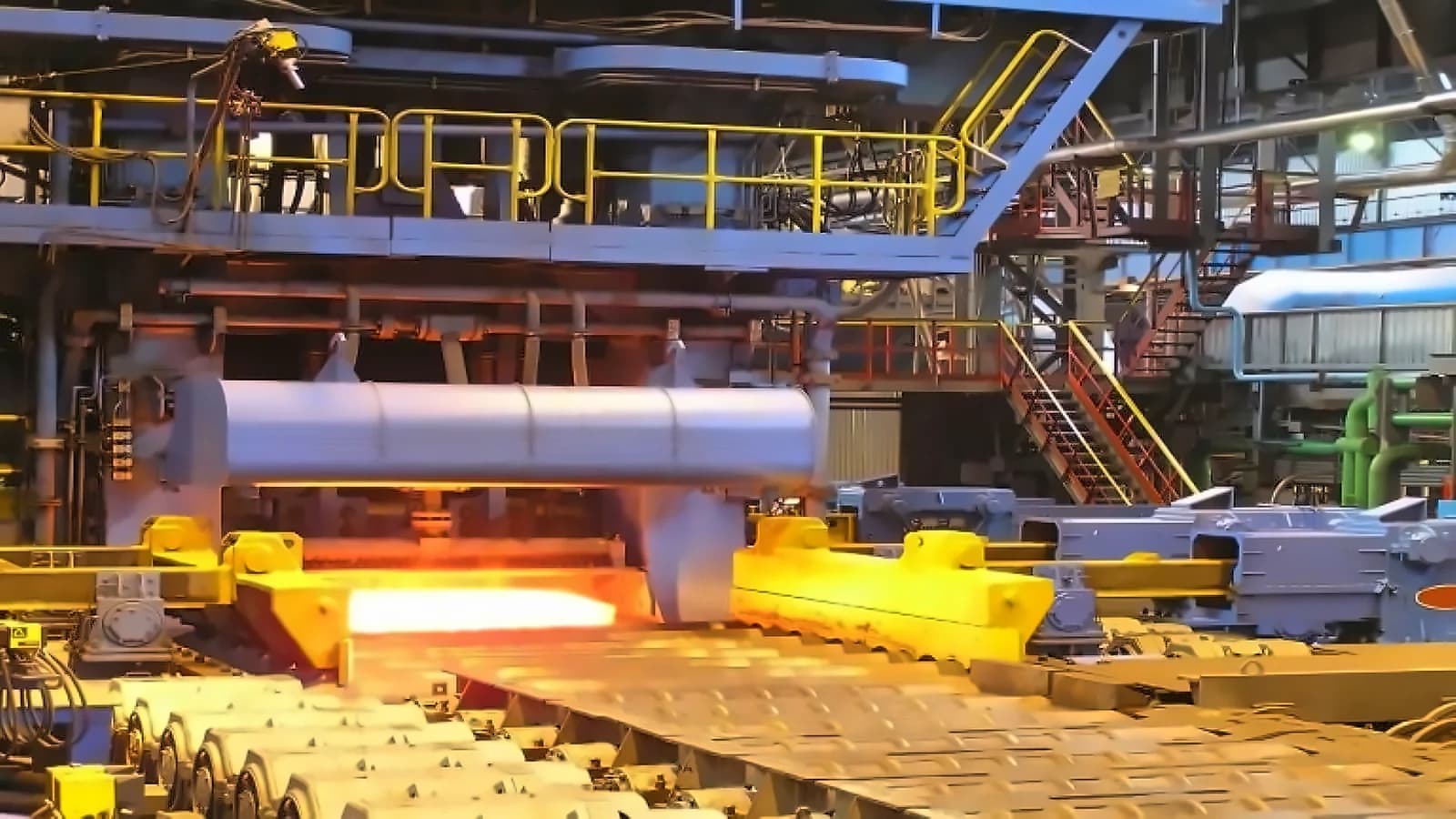
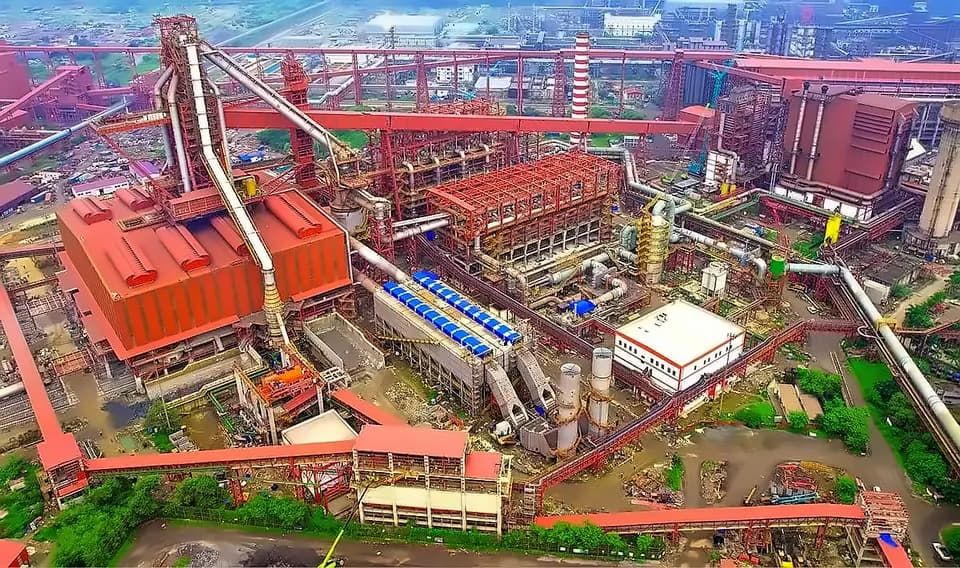
Jindal Stainless Limited has supplied approximately 40% of the total stainless steel requirement for India's first hydrogen-powered train, according to latest reports. The company's Jajpur and Hisar plants supplied the premium austenitic stainless steel grade X5CrNi1810 that was used in the fabrication of the hydrogen train. This achievement positions the company as a key supplier to India's pioneering clean mobility initiative, highlighting the growing importance of stainless steel in building safer, greener, and more sustainable transportation infrastructure in India. As per Team Angel One, the material offers corrosion resistance, crash-worthiness, high strength-to-weight ratio, fire and impact resistance, durability and recyclability, with its lightweight properties improving energy efficiency for next-generation rail transport.
The hydrogen-powered train, flagged off by Prime Minister Narendra Modi on Friday, connects the 89-km distance between Jind and Sonipat and will be covered in two hours with 12 intermediate stations. As reported by multiple sources, this development marks India's entry into a select group of countries with operational hydrogen-powered trains and represents an important step towards adopting clean and sustainable mobility in the railway sector. Hydrogen-powered trains are seen as a clean and efficient future for rail transport, producing zero emissions, running more quietly, and being more energy-efficient than traditional trains.
Jindal Stainless Limited has secured exclusive supply rights for grade X5CrNi1810 steel for India's first hydrogen-powered train, reinforcing its strategic alignment with Indian Railways' next-generation decarbonization initiatives. The supplied steel will be used to fabricate coach bodies, optimizing energy efficiency due to lightweight and high-strength material properties. This project cements JSL's market dominance in specialized, high-margin domestic structural infrastructure segments and demonstrates its capability to develop and scale high-specification industrial grades. The partnership with Indian Railways creates a strong structural demand outlook as the railways aggressively phase out older layouts in favor of modern, corrosion-resistant austenitic-clad rolling stock. As per Team Angel One, the company has been supplying stainless steel to Indian Railways for more than three decades, contributing to projects including the first LHB coaches, Vande Bharat Sleeper, India's first Vande Metro, metro and inter-city train sets, wagon bodies and the country's first corrosion-resistant stainless steel salt containers for freight transportation.
Jindal Stainless Limited recorded an annual turnover of ₹42,955 crore in FY26, representing a growth of 6.9% YoY compared to ₹40,182 crore in FY25. The company has set an ambitious target to reach 4.2 million tonnes of annual melt capacity by FY27, with total melting capacity actively tracking toward this target following the ahead-of-schedule commissioning of the 1.2 MTPA Indonesian melt shop joint venture in March 2026. This expansion supports JSL's robust medium-term growth trajectory and positions the company to capture increased volume as Indian Railways transitions to modern, corrosion-resistant rolling stock. As of 17 July 2026, at 2:48 PM, Jindal Stainless Limited share price was trading at ₹736.20 per share*, reflecting a decline of 0.18% from the previous trading session, according to Team Angel One.
The development further reinforces the growing role of stainless steel in shaping the future of transportation in India. From high-speed rail and metro systems to hydrogen-powered mobility, the metal continues to support infrastructure that delivers superior lifecycle performance, enhanced safety and lower environmental impact. Hydrogen-powered trains have the potential to play an important role in decarbonising rail transport globally by combining zero emissions with lower operating noise and improved energy efficiency. The use of lightweight, corrosion-resistant stainless steel further enhances these benefits by reducing lifecycle costs while improving operational performance, with successful delivery of this high-profile project enhancing JSL's international credentials for green-energy transport exports. Abhyuday Jindal, Managing Director of Jindal Stainless, described the hydrogen-powered train as "an important milestone in the country's clean mobility journey and its vision of Atmanirbhar Bharat," adding that the company remains committed to delivering material solutions that enable innovation, sustainability and long-term value.