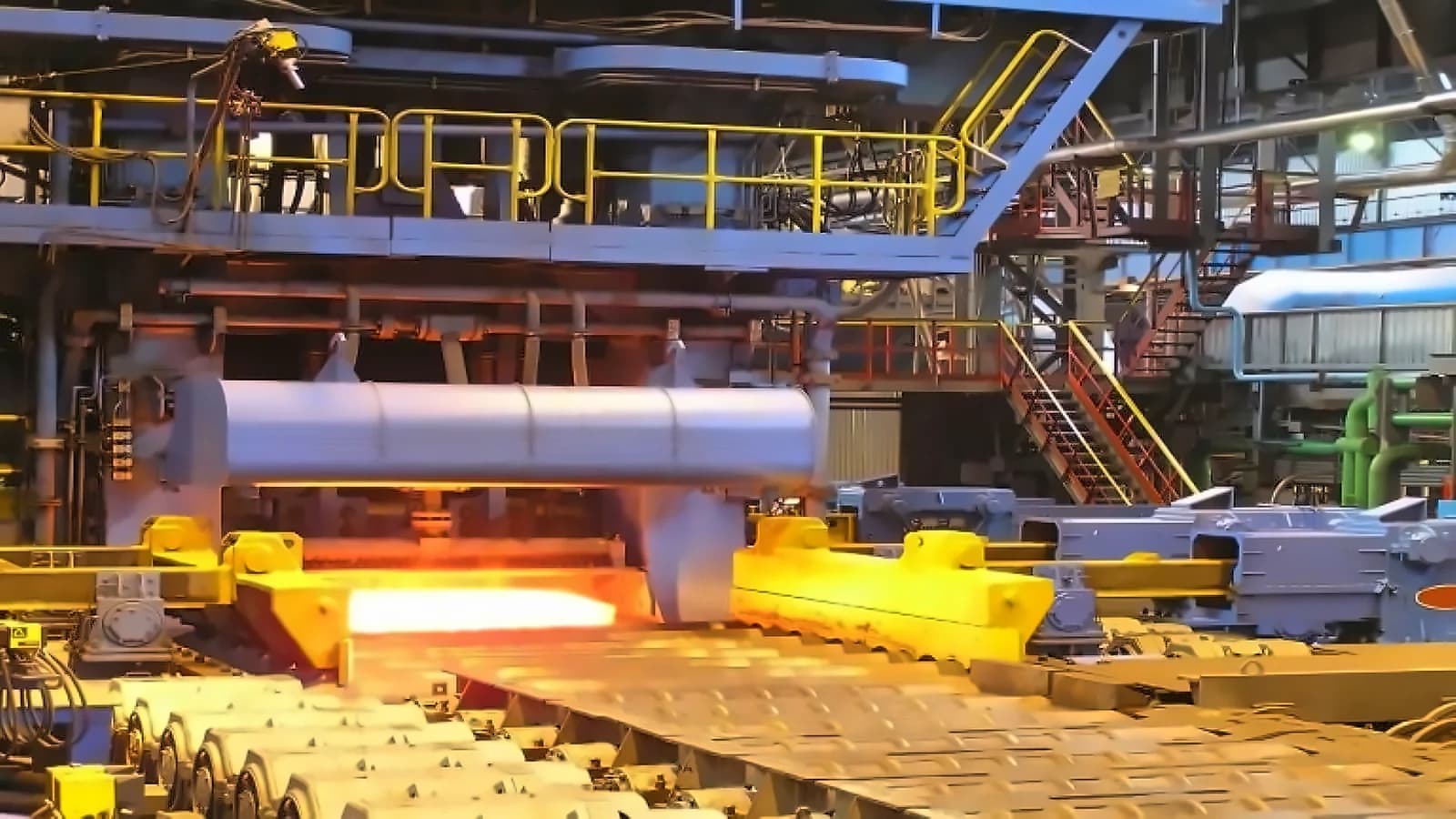
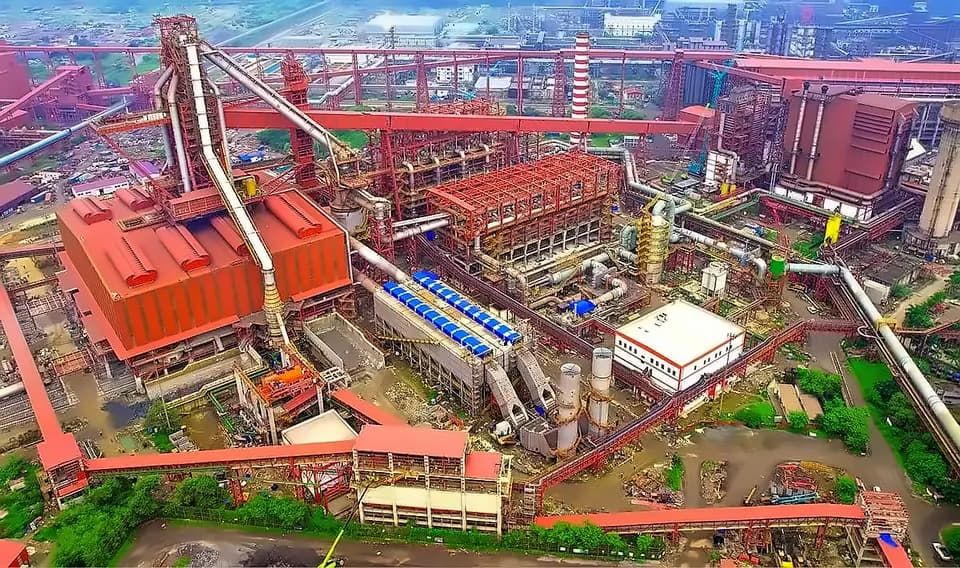
Balaji Amines Limited has become the latest casualty of the Middle East conflict, with the company halting several plants due to ammonia shortages caused by global supply chain disruptions. According to latest reports, key ammonia suppliers invoked force majeure due to liquefied natural gas (LNG) shortages, halting ammonia deliveries essential for manufacturing methylamines, ethylamines, and derivatives. The company's shares were trading at ₹1,033.35 on BSE compared to the previous close of ₹1,042.70, with 4,343 shares traded in 387 trades during the session. The stock hit an intraday high of ₹1,047.90 and intraday low of ₹1,002.60, with net turnover of ₹443.26 lakh during the trading day.
Jindal Stainless MD Abhyuday Jindal confirmed that operations at the company's plants have been 'adversely impacted' by the low supply of industrial gases needed for stainless steel manufacturing. According to the latest statement, fuel constraints due to disruption in global shipping routes has also added pressure to supply chain and margins. The company's facilities include Hisar (Haryana) facility manufacturing around 0.8 million tonnes of stainless steel per annum (MTPA), while Jajpur (Odisha) facility manufactures about 2.2-MTPA. As Jindal explained, 'due to the heavy dependence of stainless steel manufacturing on industrial gases such as propane / LPG and natural gas, several processes across our plants have been adversely impacted'. Unlike conventional steel which utilises blast furnace and coke oven gases as energy sources, stainless steel manufacturing depends heavily on industrial gases such as propane/LPG and natural gas through the scrap-based production route where such gases are not generated internally.
The stainless steel industry faces unique challenges compared to conventional steel production, as reported by CNBC TV18. Unlike conventional steel which utilises blast furnace and coke oven gases as energy sources, stainless steel manufacturing depends heavily on industrial gases such as propane/LPG and natural gas. Given the current fuel availability constraints, the company's plants are operating at rationalised capacity due to these operational constraints, with the war leading to fuel scarcity affecting the availability of propane, LPG, and natural gas essential for manufacturing processes. This situation is pressuring supply chains and impacting the company's profit margins, as the company faces heavy dependence on industrial gases such as propane/LPG and natural gas unlike conventional steel which utilises blast furnace and coke oven gases as energy sources. For Jindal Stainless, India's leading stainless steel producer, prolonged operational impediments could hinder its expansion plans and global market position.
The LPG shortage crisis has emerged as a nationwide challenge, with over 55% of India's LPG demand met through imports from the Gulf making supplies particularly vulnerable to Strait of Hormuz disruptions. According to The Hindu BusinessLine, the government has increased domestic production by 28% by diverting propane-butane streams from petrochemicals and raised domestic cylinder prices by ₹60 effective March 7. The crisis has forced around 40% of restaurants in Kerala to shut down as many establishments are unable to switch to alternative cooking methods, while commercial LPG shortages are affecting tiffin centres, hotels, and coaching hubs across the country. State governments have been directed to identify beneficiaries to prevent hoarding and black-market activity, with India's LPG buffer at risk of running out by mid-April if Middle East supplies remain halted. Cylinder bookings average 55.7 lakh refills from March 1 till date, with booking requests peaking to 69 lakh refills on March 10 and 75.7 refills on March 12 due to panic booking behavior. At a media briefing on Friday, Sujata Sharma, Joint Secretary (Marketing & Oil Refinery), Ministry of Petroleum & Natural Gas, stated that LPG remains a concern, but 'no dry-out has been reported at any of our 25,000 distributors'.
Beyond fuel availability issues, Jindal Stainless highlighted significant shipping route disruptions affecting the industry. As reported by CNBC TV18, disruptions in global shipping routes are resulting in vessel diversions, longer transit times, and cargo delays, which are placing additional pressure on supply chains and margins. The conflict's ripple effects are felt globally, with rising crude oil and LNG prices directly influencing steel markets. India, which imports approximately 67% of its LNG from the Middle East, is particularly vulnerable to such supply chain disruptions, with the government having invoked the Essential Commodities Act to secure supplies for critical industries. Benchmark indices Sensex and Nifty dropped over 1% during intra-day trade on Friday, dragged by intensifying conflict in West Asia and surging oil prices, with Brent crude climbing 0.49% to USD 101 per barrel. The United States and Israel's attacks on Iran, followed by the Islamic Republic's retaliation, have led to the closure of the Strait of Hormuz, a critical waterway which transports around 85-90% of India's LPG imports from West Asia, including Saudi Arabia and Qatar.
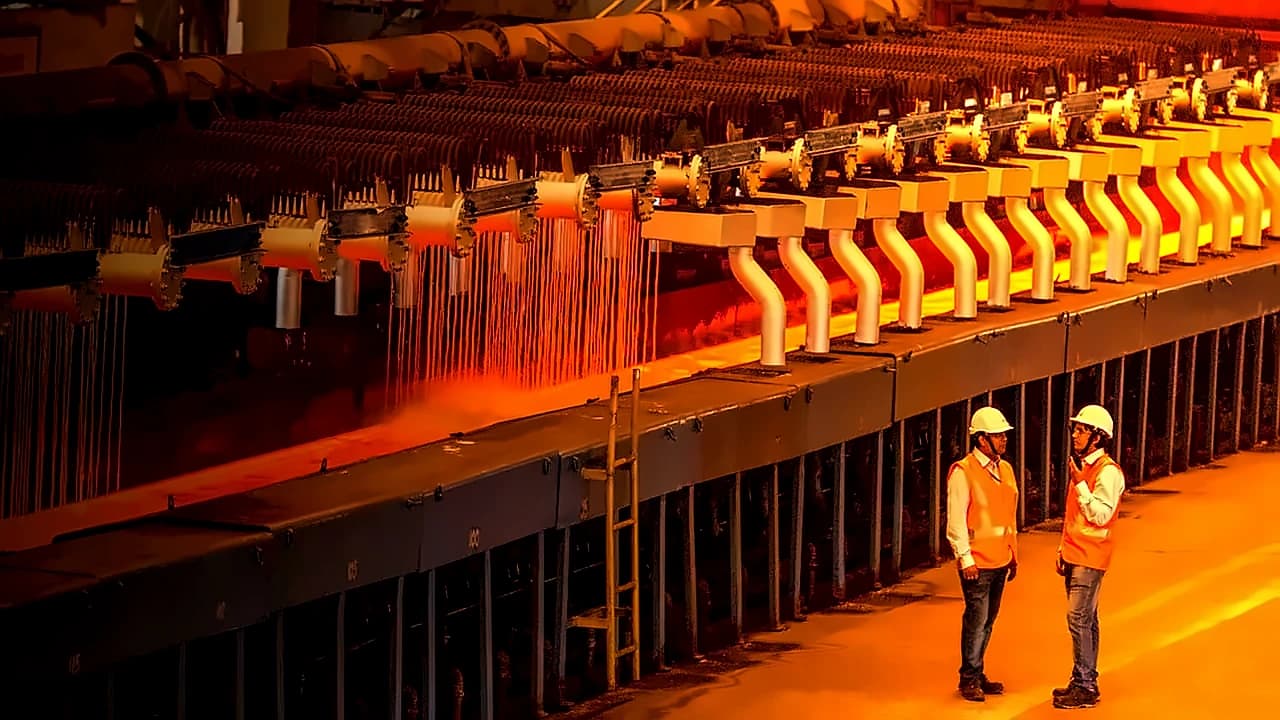
The company acknowledged positive government intervention regarding the fuel supply situation. According to CNBC TV18, Jindal Stainless stated that the government is aware of the situation and is prioritising fuel allocation for critical sectors. However, the government has prioritized domestic natural gas for household sectors, which may lead to tighter availability for industrial consumers. On expectations from the government, Jindal appreciated that the Centre is 'fully seized of the matter and is actively prioritising fuel allocation for critical sectors'. He emphasized that 'clarity on the allocation percentage for industrial propane / LPG and natural gas, along with assurance of regular supplies will be important; so that the stainless steel industry can 'plan and optimise operations'. The government has also framed standard operating procedures (SOP) to manage LPG supply and distribution amid the crisis, ensuring continuity of critical public services. Looking ahead, Jindal warned that 'in the absence of such clarity, we foresee a cascading effect across the industry, the severity of which will depend on how quickly these issues are resolved'.