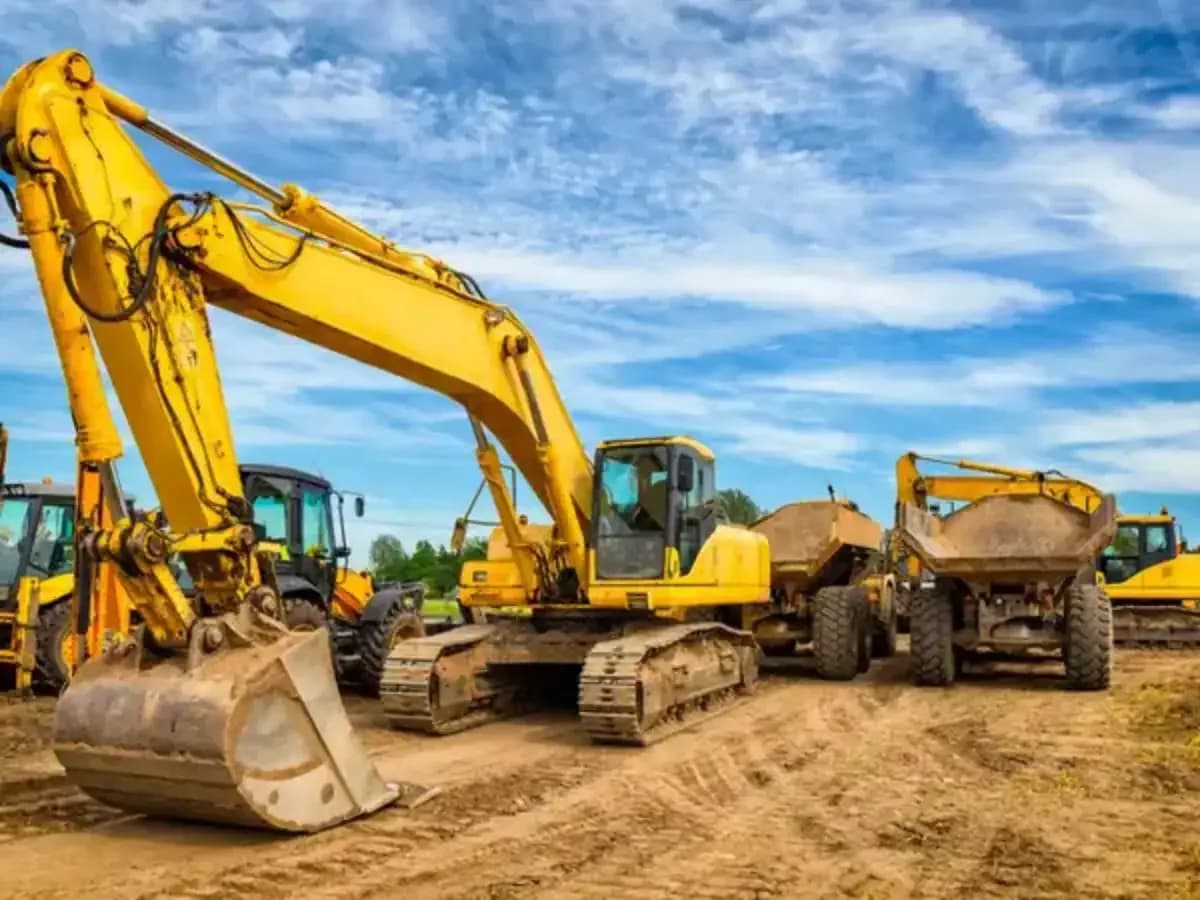
JCB India unveiled 10 new made-in-India machines at bauma CONEXPO India 2026, showcasing 21 products from across its portfolio including the 3DX, 3DX Plus and 3DX Super backhoe loaders. As reported by JCB India, these new launches feature upgrades aimed at improving productivity, fuel efficiency and operator comfort. The 3DX is aimed at excavation-focused applications, while the 3DX Plus offers higher shovel capacity and payload. The 3DX Super gets features including standard four-wheel drive, a 6-in-1 shovel and deeper digging capability. Beyond backhoe loaders, JCB India is showcasing excavators, the new Agrimax agricultural machine, gensets, access platforms and wheel loaders. The A60E access platform is manufactured in India and exported to several markets, including the US. The company's pavilion at the India Expo Centre in Greater Noida covers approximately 2,000 sq m and features more than 20 products alongside digital solutions. According to JCB India, the new range underscores the company's focus on developing globally benchmarked products that are designed, engineered and manufactured in India, while addressing the evolving requirements of customers across domestic and international markets.

JCB India is targeting 15-20% export growth and 70,000 unit production for the current financial year, representing a significant increase from last year's 14,000 machines exported. According to PTI, managing director and CEO Deepak Shetty announced these ambitious targets while addressing the media on the sidelines of bauma CONEXPO INDIA 2026. The company exports to 135 countries, with the US contributing a major share of its overseas sales. Shetty emphasized that the company is showcasing 21 products, including 10 new ones, focusing on fuel efficiency and operator comfort at the trade expo in Greater Noida. The exhibition underscores JCB's commitment to fuel efficiency, cutting-edge technology and enhanced productivity, while offering an exclusive preview of its latest innovations.
JCB invests ₹200-500 crore annually in research and development and capacity expansion, introducing 10-12 new products annually. According to FE reports, the company uses internet-of-things technology to monitor about 300,000 machines, enabling tracking of machine health, fuel consumption and operator performance to improve uptime. Fuel efficiency remains central to the strategy, with fuel efficiency across its Backhoe Loader range having improved by 21% in recent years. The 150 FM offers an 8% improvement in fuel efficiency, while the 225 XT's new heavy-duty bucket provides 5% higher productivity per dig cycle. Technologies such as JCB LiveLink provide real-time machine monitoring, predictive maintenance and remote diagnostics, helping customers enhance fleet visibility, performance and uptime. Shetty noted that in a market where fuel costs remain a key concern for customers, JCB has further enhanced fuel efficiency of its Backhoe Loaders within just the last 18 months, while also placing strong emphasis on operator comfort with improved ergonomics designed to make machine operation easier and more productive throughout the working day.
The company is expanding beyond traditional road infrastructure to capture demand from emerging sectors. As reported by FE, Shetty highlighted that railways, ports, rural connectivity and water infrastructure are emerging as important sources of demand for construction equipment. Railways in particular offer significant opportunities, with JCB working with the Railway Ministry to adapt existing equipment for railway applications. The company is engineering attachments that would allow machines such as backhoe loaders to operate on railway tracks, enabling them to be used for both conventional construction and rail infrastructure work. "India is building infrastructure at an unprecedented scale and speed, creating new opportunities for the construction equipment industry," said Deepak Shetty, CEO and Managing Director, JCB India. The company is also looking at technology for railway maintenance as train speeds increase and maintenance requirements rise.
JCB India exported around 14,000 machines last year and is targeting 15-20% export growth this financial year, with the US accounting for a major share. According to PTI, the company exports to over 135 countries, including Southeast Asia and Africa. JCB's India operations are increasingly becoming part of the company's global supply chain, with the country exporting not only finished machines but also engines, transmissions, components and steel fabrications to overseas JCB facilities. The company exports to over 130 countries, with the US being its largest overseas market. However, Shetty noted that disruptions in the Red Sea have increased transit times between Europe and India by around two weeks and have affected container availability. The exhibition underscores JCB's commitment to fuel efficiency, cutting-edge technology and enhanced productivity, while offering an exclusive preview of its latest innovations.