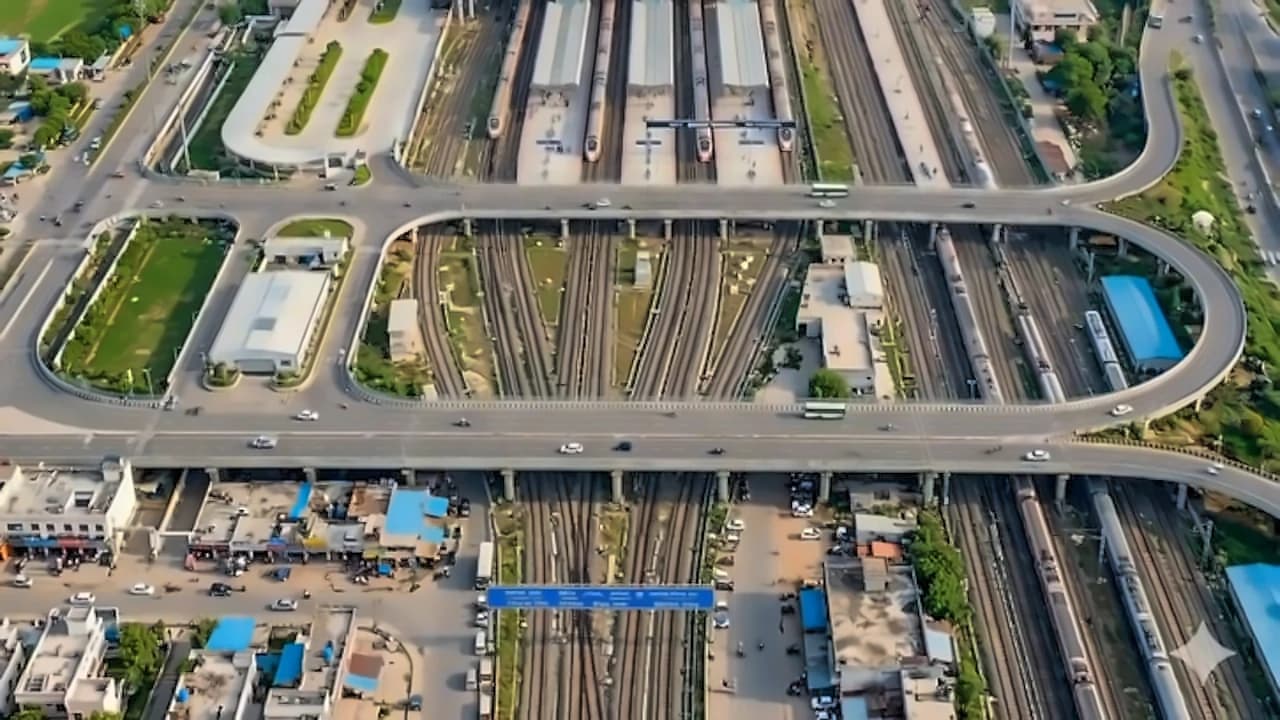
Railway public sector undertaking stocks have experienced a dramatic correction, with IRCTC, RVNL, IRFC, IRCON, RITES, and Railtel declining up to 40% over the past year. According to The Economic Times, the decline represents a valuation correction first and earnings correction second, as these stocks were priced for perfection in 2023-2024. IRCTC hit an all-time high of ₹1,318 in May 2024 and is now down about 61% from that peak, while RVNL and IRFC have fallen between 45% and 53% from their 52-week highs. The correction reflects investor expectations running ahead of fundamentals, with experts noting that railway capex for FY27 is a record ₹2.93 lakh crore, but the money is not reaching these companies at the old margins.
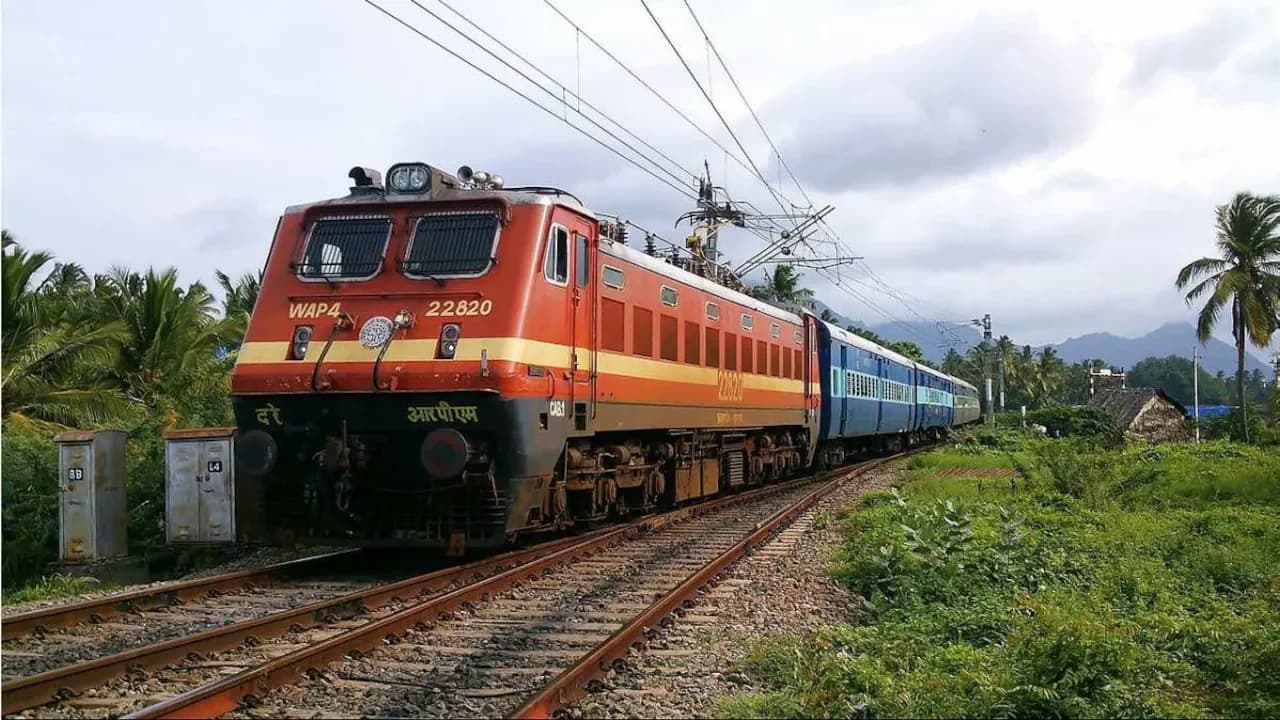
IRCTC's profitability has been significantly impacted by a fundamental shift in its revenue mix. As reported by The Economic Times, EBITDA margins have narrowed by 1,460 basis points from 46.8% to 32.2% between FY22 and FY26, while net profit margins have shrunk by 810 basis points from 35.1% to 27% during the same period. The margin pressure stems primarily from the revenue mix shift, with catering's contribution expanding from 22% in FY22 to 46% in FY26, while ticketing's share narrowed from 54% to 29% over the same period. The strain on margins comes primarily because the revenue mix has shifted from ticketing to catering, with catering revenue growing by approximately 23% between FY24 to FY26 but segment profit remaining almost unchanged, falling by 2.7 percentage points. Despite IRCTC growing revenue 18% last quarter, profit remained flat as margins fell to 28.2% from 34.3%.
While order books appear healthy, railway PSUs are struggling with conversion challenges. RVNL has ₹93,492 crore in order book but only ₹40,000 crore is actually under execution, with its EBITDA margin just 4.4%. Similarly, RITES has a record ₹9,445 crore order book but faces similar conversion issues. The problem lies not in order books but in weak order conversion rates, as these companies are no longer protected monopolies but contractors competing for work. As per The Economic Times, contractors do not deserve 50 to 60 times earnings, highlighting the disconnect between traditional PSU valuations and current market realities.
The company faces significant cost pressures that are outpacing revenue growth. As reported by The Economic Times, costs of goods sold (COGS) have increased more than 4.5 times between FY22 and FY26 while revenue increased 2.8 times. COGS rose from 35% to 57% of sales between FY22 and FY26, indicating that rising costs are squeezing profitability even as the company scales operations. This cost inflation has been a key factor in the margin compression, with the company's cost structure deteriorating faster than its revenue growth trajectory.
Technical analysis reveals bearish trends across railway PSU stocks. IRCTC's downtrend from above 720 to current levels highlights its outlook, with all key moving averages aligned in a downward bearish stack. IRFC's RSI at 52.56 indicates slight neutral recovery but lacks decisive momentum, while RVNL remains locked in a persistent downward trend with weak neutral momentum. Market experts suggest the correction has improved valuations for some railway PSU stocks, with IRFC identified as a safer choice for conservative, income-focused investors. However, buying into ongoing structurally weak downtrends carries high risk, as these stocks have moved from being protected monopolies to contractors competing in a more competitive environment.