IRB Infrastructure Developers delivered impressive fourth-quarter results with consolidated net profit rising 39.5% year-on-year to ₹300 crore, representing a ₹85 crore absolute increase from the previous year. According to latest reports, the infrastructure developer's toll revenue performance remained robust with a 25-30% increase in aggregate toll collections across key portfolios, driving the strong profit growth. The company's toll revenue reached ₹2,280 crore in Q4, representing a 19.18% year-on-year increase as reported by Business Standard.
For the full financial year FY26, IRB Infra reported net profit of ₹850.36 crore, down 86.87% due to the impact of new labour codes. As reported by Business Standard, the company assessed and accounted for an estimated incremental impact of ₹42.65 crore as an exceptional item due to the new labour codes. Excluding the exceptional gain, the company's FY26 profit after tax stood at ₹893 crore, compared to FY5 PAT of ₹677 crore, representing a growth of about 32%.
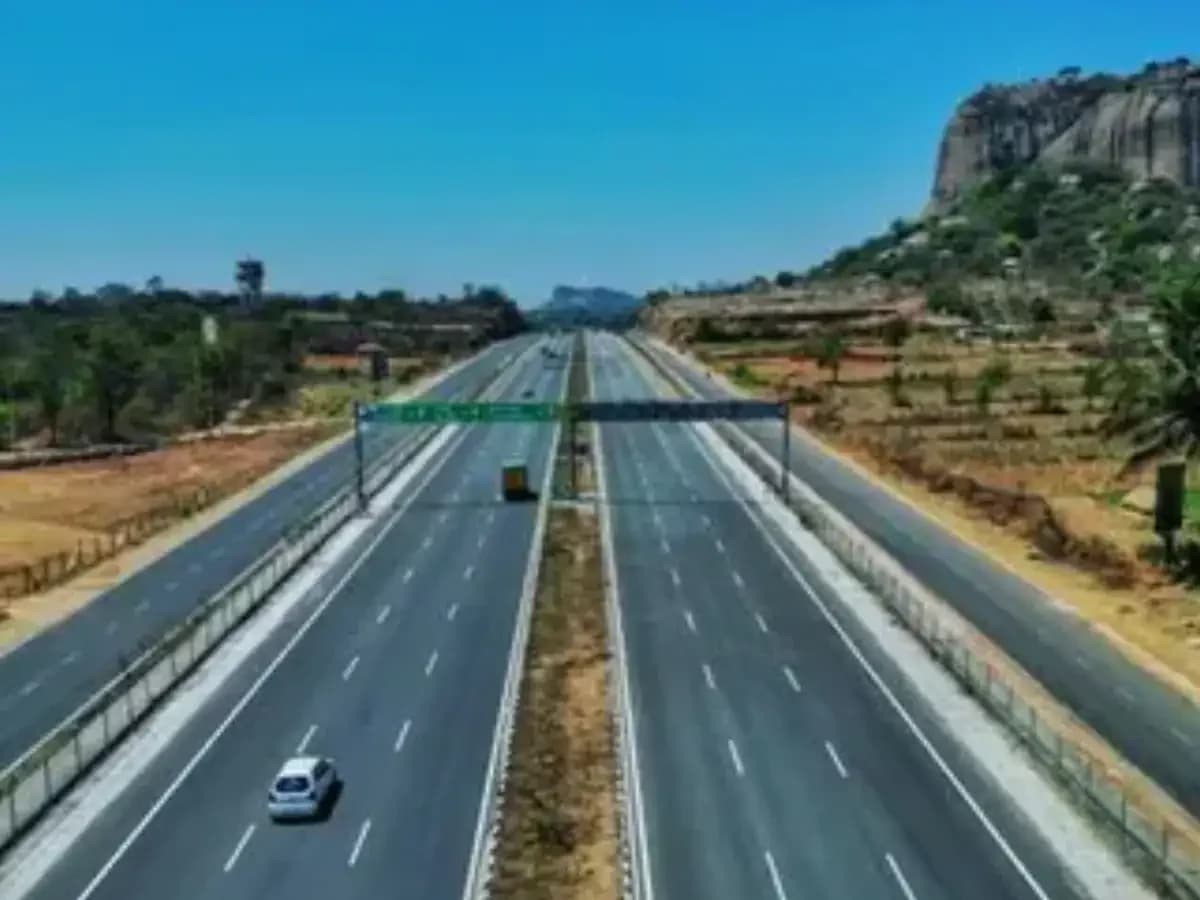
The company's toll revenue performance remained robust throughout FY26, with total toll revenue reaching ₹8,323 crore, up 12.47% for the full year. According to IRB Infra, FY26 toll revenue represents a 10% share of India's aggregate toll revenue of ₹82,900 crore for the same period. The strong toll collection growth was attributed to all major projects becoming operational and revenue-generating during the year. Recently, the company reported a 20% YoY increase in toll collections for April 2026, demonstrating continued momentum in its toll operations.
IRB Infrastructure is successfully navigating a significant transition from a traditional contractor to an asset manager through its strategic platform approach. By transferring mature toll roads to its InVIT platforms, the company reduces debt on its own balance sheet while retaining management fees and distribution income, leading to higher Return on Equity (RoE). The company recently secured a major TOT project in Western India worth over ₹2,000 crore, further expanding its managed asset base and strengthening its position as India's largest toll-road concessionaire with the highest operational lane-km base of more than 17,500 km. This asset-light strategy via InVITs is successfully deleveraging the parent balance sheet while capturing recurring cash flows.
Mhaiskar emphasized the company's strategic positioning for growth, stating that 'IRB is strategically positioned for a multi-year operating leverage expansion cycle, with strong profit growth expected to be driven by rising toll revenues, increasing InvIT distributions, and stable recurring cash flows from our operations and maintenance platform'. The Indian highway sector is witnessing a shift towards monetisation through the TOT model with NHAI aiming to monetise assets worth over ₹2 lakh crore by 2027, positioning IRB as a preferred bidder for large-scale concessions. The company's dominant position in the Golden Quadrilateral remains its most valuable moat as India's logistics costs aim for reduction through better connectivity.