India Inc is expected to report strong double-digit revenue growth of 11-11.5% year-on-year in Q1FY27, marking the fastest pace in two years, according to Crisil Intelligence. However, aggregate operating margins are estimated to have contracted by 75-100 basis points as the Iran war disrupted supply chains and pushed up fuel, freight and raw material costs that companies were unable to fully pass on to consumers. As per Crisil Intelligence, companies faced mounting cost pressures as they exhausted lower-cost inventories and began procuring inputs at elevated prices, with industrial diesel, commercial LPG, freight, packaging and key feedstock costs rising sharply after the conflict began. Companies with high exposure to crude oil, natural gas, imported inputs and logistics are expected to bear the brunt, with airlines likely to report the steepest hit with operating margins shrinking by about 1,000 basis points.
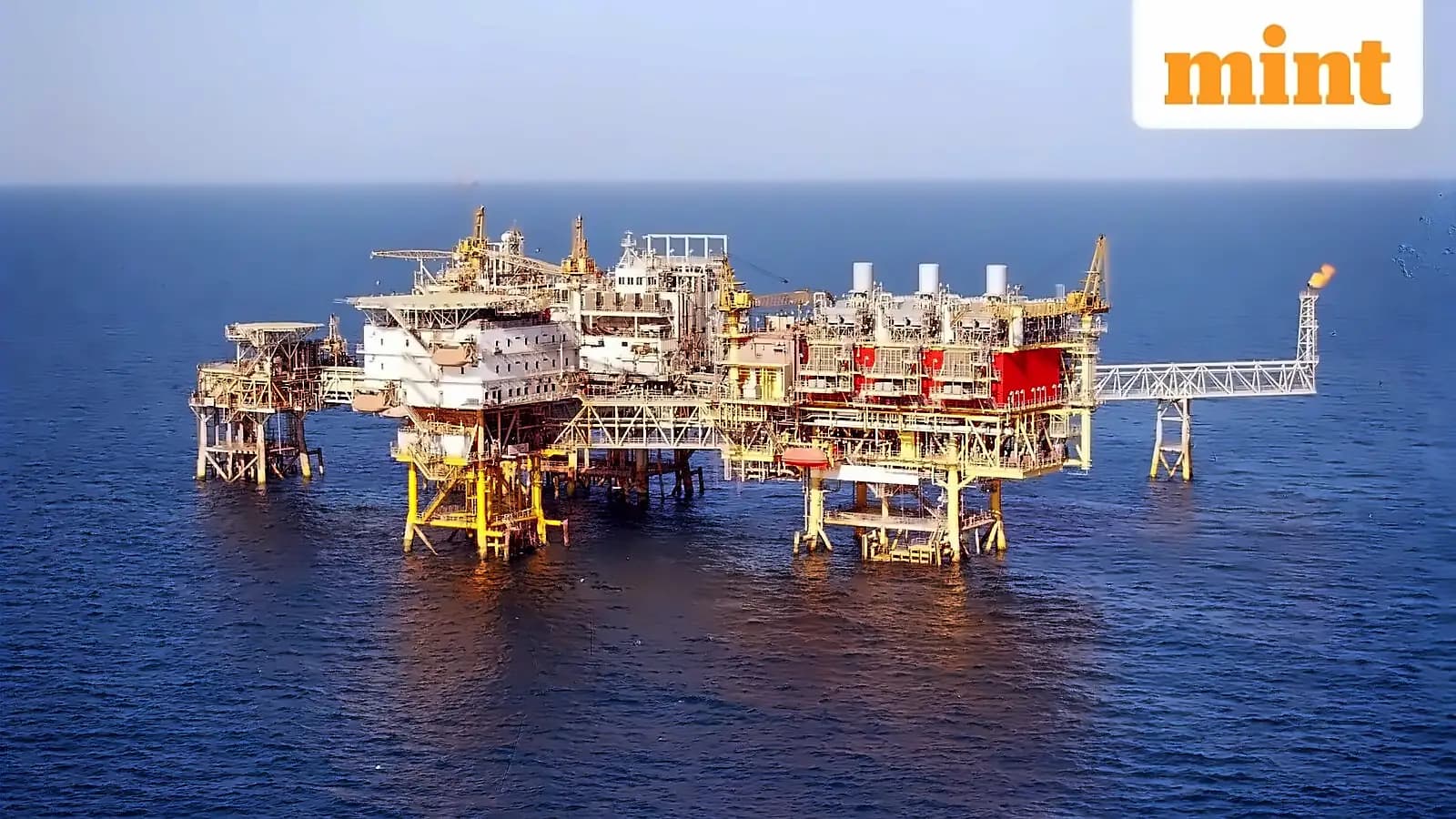
Domestic natural gas companies are bracing for a challenging Q1FY27 as supply disruptions from the West Asia conflict significantly impact operations. According to reports from Petroleum Planning & Analysis Cell (PPAC), total domestic natural gas consumption fell more than 10% year-on-year during the first two months of Q1FY27, reaching approximately 170 mmscmd (million standard cubic metres per day). The decline was primarily driven by lower LNG imports and weaker domestic gas production, each accounting for nearly half of India's total gas consumption. India's LNG imports were severely impacted by the shutdown of Qatar's LNG plant, with the country previously importing about 40 mmscmd from the Qatar facility before the disruption occurred. Some supplies were sourced from the spot market at higher prices, but the disruption is expected to weigh heavily on Q1FY27 earnings across the sector.
Major natural gas companies are expected to face significant earnings pressure in Q1FY27. Nomura Global Markets Research expects GAIL's Ebitda to decline 25% year-on-year, though this impact was partially mitigated by higher LPG production directed by the government and a roughly 33% increase in LPG realizations. Petronet LNG's Ebitda is projected to decline 10% year-on-year due to lower processing volumes at its Dahej and Kochi terminals. To address future supply disruptions, Petronet LNG is building three new LNG storage tanks at an investment of ₹3,600 crore, with plans to add another three to four tanks at Dahej after board approval. The hit could have been steeper for both companies without the government's LPG production support and higher realizations, as the Iran war has further disrupted global supply chains and pushed up input costs across sectors.
City gas distribution companies are facing margin pressure despite potential volume growth. JM Financial estimates MGL's Ebitda will fall 48%, largely attributed to higher gas input costs, while IGL is expected to fare relatively better with a 28% decline, supported by CNG price hikes and lower operating costs. According to reports from JM Financial, CGD companies may report higher sales volumes but margins are likely to come under pressure due to elevated gas procurement costs and rupee depreciation. Gujarat Energy Ltd, formed through the merger of multiple entities effective May 1, is expected to report a sequential Ebitda increase of about 3% and a 44% increase in sales volumes. The company is projected to post a 44% increase in sales volumes, led by nearly doubling of industrial sales.
Despite near-term challenges, analysts believe FY27 could be a tale of two halves, with the first half absorbing the impact of higher input costs and the second half benefiting from easing supply disruptions and better margin recovery, provided global conditions remain stable. According to Yes Securities, net profit is expected to grow 17% year-on-year, the highest in nine quarters, led by capital goods and metals, though gains could be offset by weaker profitability in automobiles and pharmaceuticals. Elara Securities expects an even stronger 19% growth in sales, driven by automobiles and consumer discretionary companies, though it forecasts a 4.9% decline in net profit due to losses at oil marketing companies. Shares of PLNG, IGL and MGL are trading 8-14% below their 27 February levels before the West Asia conflict broke out, while GAIL is marginally higher by 2.3%. These trends should support earnings once gas supplies normalize and supply chain disruptions ease, with investors closely monitoring global developments for further market cues.