The Indian Premier League has emerged as one of the world's most valuable sports businesses, with a current valuation of $19 billion and projections to more than double by 2030, according to a report by Kotak Mutual Fund. Since its launch in 2008, the IPL has grown into a highly efficient commercial model that rivals global leagues despite being played over just two months annually. The league's valuation is nearly on par with the overall Indian sports industry, highlighting its outsized influence in the market. The IPL's valuation journey underscores both its growth potential and resilience, with the league rapidly scaling from $1.1 billion in 2008 to $4.13 billion by 2010, before governance challenges triggered a decline to $3.7 billion in 2011. Growth resumed steadily, with valuations reaching $6.8 billion by 2019 and crossing $10 billion in 2023, reaching $12 billion in 2024.
A key pillar of the IPL's success has been the exponential rise in media rights value, with broadcast deals surging significantly over the years. The league now commands a vast viewership base, with 1.37 billion views recorded during the opening weekend of IPL 2025 alone. Advertising revenues are witnessing strong growth, with projections of $600 million in 2025, representing a nearly 50% year-on-year increase. The IPL's franchise-based structure ensures predictable revenue streams, with a large portion of team earnings coming from centrally pooled media rights and sponsorship revenues. Title sponsorship has seen a dramatic jump from ₹40 crore (DLF era) to ₹500 crore (Tata, from 2024), while franchise-level sponsorships now contribute around ₹1,300 crore, with leading teams earning ₹100–150 crore each. Advertising revenues have expanded from ₹350 crore in 2008 to an estimated ₹6,000–7,000 crore by 2025.
Beyond cricket, the IPL generates significant economic activity across multiple sectors. The league contributes substantially to India's economy, with the IPL ecosystem valued at $10.7 billion by 2023, growing 28% year-on-year. In 2015, the league contributed around ₹1,150 crore (~USD 140 million) to India's GDP, with estimates placing its broader economic impact at nearly USD 6.7 billion by 2020. By 2023, the IPL ecosystem itself was valued at USD 10.7 billion. Match days trigger a 30-70% surge in travel demand and increase hotel occupancy to 90-100%, pushing costs higher by 20-30%. The sports merchandise market, valued at $1 billion in 2023, derives around 40% from IPL-related demand. IPL 2019 alone drove nearly 4 lakh tourist arrivals and $68 million in hospitality revenue, while IPL 2024 is estimated to have generated around $450 million. The Economic Survey estimates over 20,000 seasonal jobs annually, while an IIM Bangalore study suggests over 4 million jobs were created in 2019.
The IPL has emerged as a major driver of consumption trends, with e-commerce activity rising during the tournament and food delivery seeing noticeable spikes, especially on match days. Digital platforms, including streaming and fantasy sports, have further strengthened the league's role in India's growing digital economy. With over 500 million viewers in 2024, the IPL is a major driver of growth in fantasy sports, digital advertising, and content ecosystems. Food delivery platforms report 40–50% spikes during matches, with each game generating roughly $100,000 in stadium F &B revenue. The IPL now reaches ~1 billion viewers across TV and digital platforms, with 600–650 million unique viewers in recent seasons. A range of companies across sectors stand to benefit from the growing impact, spanning media, sponsorships and consumption, with consumption-oriented plays including Varun Beverages, Zomato, Swiggy, Bharti Airtel, Indian Hotels Company and ITC expected to benefit from higher demand during the tournament.
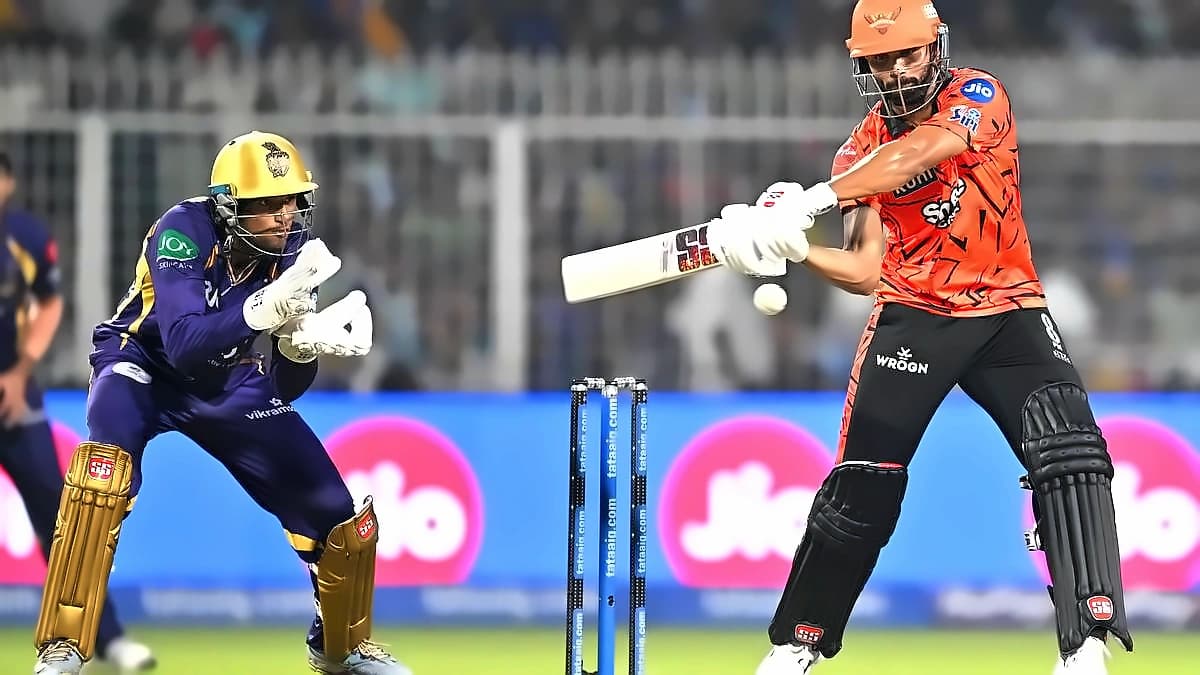
Several major stocks are expected to remain in focus during the IPL season, driven by their direct and indirect exposure to the tournament. Reliance Industries will be closely tracked due to its streaming rights and ownership of the Mumbai Indians, while Sun TV Network (Sunrisers Hyderabad), RPSG Ventures (Lucknow Super Giants) and Network18 Media & Investments are expected to stay on investors' radar for their franchise and broadcasting linkages. Sponsor-driven companies such as Tata Motors, CEAT, Hero MotoCorp, Shree Cement and JK Cement are also likely to be in focus due to heightened brand visibility during matches. The league's consolidation of broadcast and streaming under the JioHotStar platform marks another structural shift, blurring the lines between television and digital, making the IPL a technology-led media ecosystem built on mobile-first consumption.