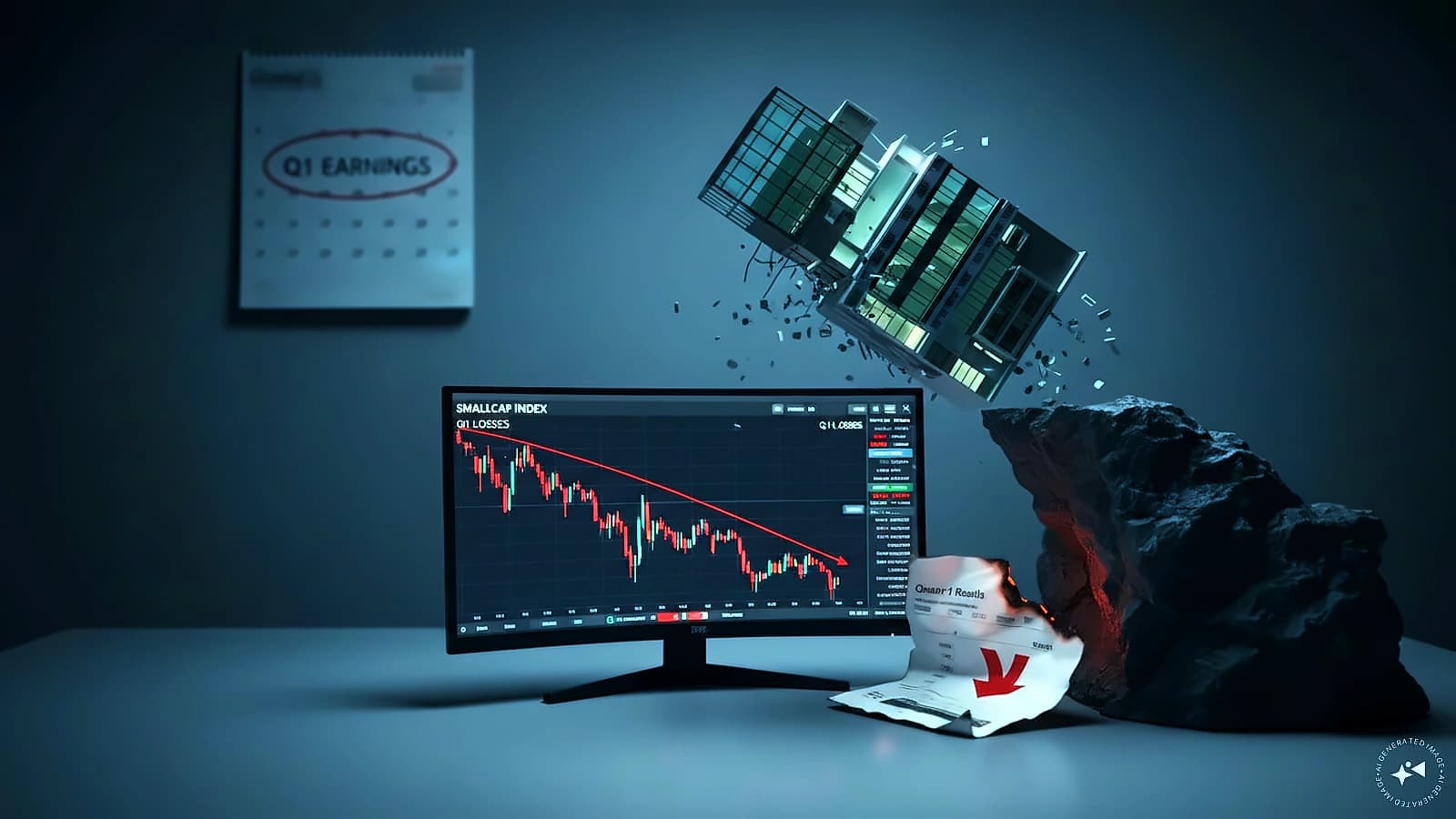
Despite reporting weak Q1 FY27 results, Ion Exchange's stock climbed approximately 10% above its December level by the end of July. According to reports from Value Research, the stock had fallen as low as the ₹310s in March before bouncing back, indicating investor confidence in the company's long-term prospects. The company's Q1 profit plunged significantly, with net profit falling 94% to ₹3 crore despite revenue growing 20% to ₹701 crore. Operating profit (EBITDA) also tumbled to ₹32 crore, with margins dropping to just 4.5% from nearly double digits earlier.
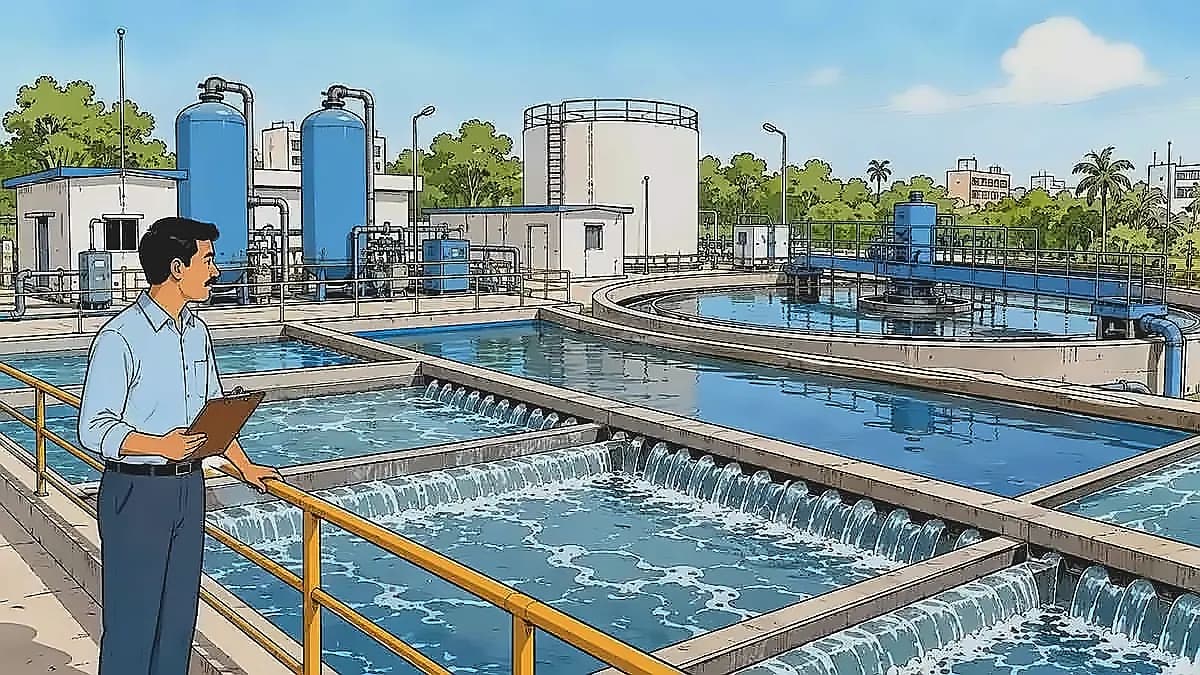
The company's Treatment Solutions division lost ₹17 crore despite revenue growing 14% to ₹210 crore. As reported by Value Research, the biggest drag came from a Uttar Pradesh water-supply project dependent on slow state government funding. Specialty Chemicals, traditionally the company's strongest business, saw margins fall from 24.5% to under 10%, with management attributing roughly 6 percentage points of this drop to the new Roha resin plant running below cost-coverage levels. Industrial Products nearly tripled its profit to ₹13 crore on 14% revenue growth, while Lifecycle Services grew 28% and Consumer Products achieved 33% growth.
The company's ₹275 crore Roha resin plant is expected to take approximately four years to reach full capacity, with management projecting it could eventually generate ₹500-550 crore annually in sales at 18-24% margins. According to Value Research, this investment could potentially add ₹95-126 crore in extra profit once the plant reaches optimal utilization. However, management currently expects only 25% utilization this year, with the first four months performing softer than planned. The plant's underperformance contributed significantly to the company's 49% EBITDA decline and 94% net profit drop.
Interest costs on the company's debt more than tripled, while depreciation jumped due to Roha now counting as a finished asset in accounts before earning returns. As reported by Value Research, FY26 profit topped ₹140 crore but operating cash flow remained negative as money stayed tied up in unpaid bills and inventory. The company is also appealing a ₹22 crore SEBI order through subsidiary Ion Exchange Enviro Farms, representing a small but unresolved legal risk. Despite these challenges, management expects a return to double-digit profitability to be a multi-year process rather than a quick fix.