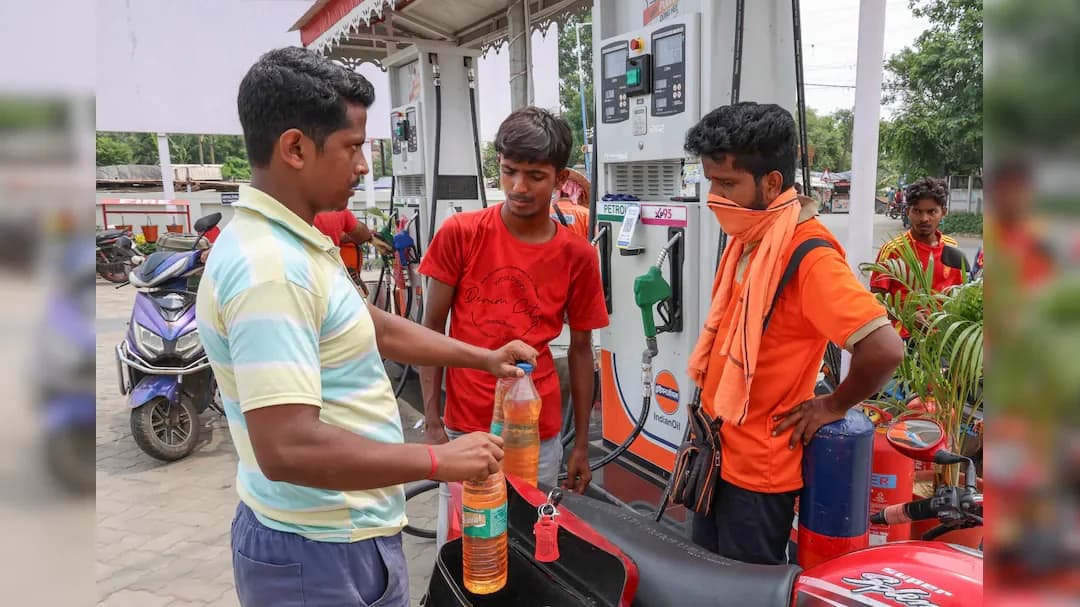
The state-run Indian Oil Corporation has issued clear instructions to its dealers regarding fuel sales restrictions. According to reports from NDTV Profit, the company has directed its dealers not to impose any restrictions on the sale of petrol and diesel unless specifically ordered by state governments or local authorities. In an internal communication accessed by NDTV Profit, the company clarified that no instructions have been issued for rationing fuel supplies and warned that any violation of the directive would be viewed seriously. The advisory comes as fuel demand has surged sharply across retail outlets, prompting the company to reassure dealers about adequate availability of petrol and diesel.
The advisory comes at a time when fuel demand has surged sharply across retail outlets, as reported by NDTV Profit. Indian Oil attributed the spike in offtake to the diversion of bulk consumers toward retail pumps, prompting the company to reassure dealers about the adequate availability of petrol and diesel across the network. The surge in demand has created concerns about potential supply constraints and the need for rationing measures. Fuel rates were raised by up to 90 paise per litre on Tuesday, marking the second hike in less than a week after a steep ₹3-per-litre increase on Friday. In Delhi, petrol now costs ₹98.64 per litre while diesel is priced at ₹91.58 per litre.
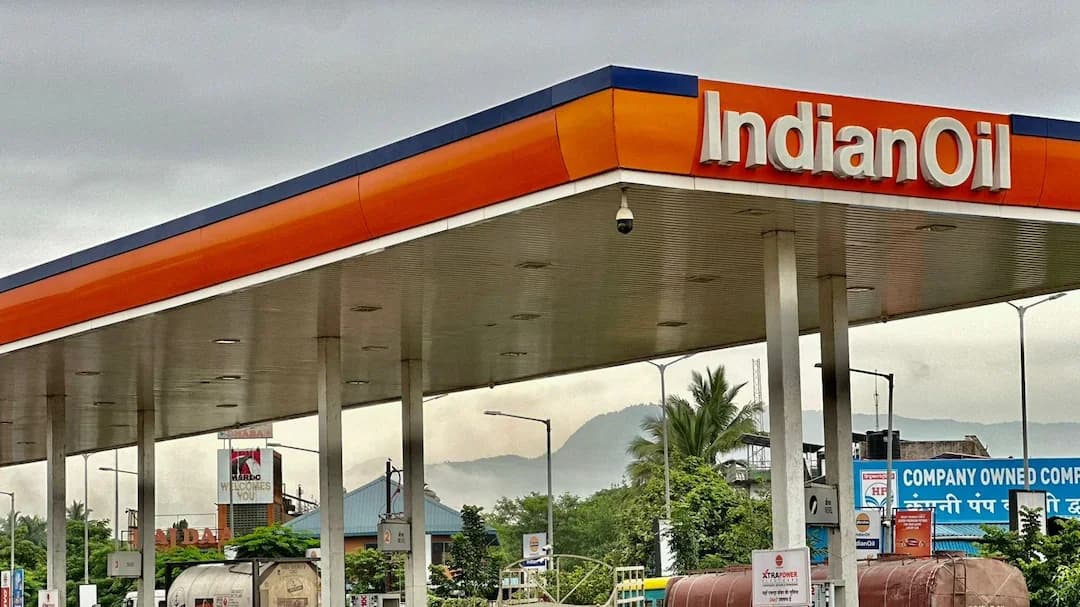
Despite the sharp increase in fuel demand, Indian Oil Corporation maintains that petrol and diesel supplies remain adequate across its network. According to the company's internal communication, Indian Oil is reassuring dealers about the availability of fuel supplies to ensure smooth operations at retail outlets. Field officers have also been instructed to maintain close coordination with dealers to ensure timely replenishment of stocks and uninterrupted supplies. This supply assurance comes as the company faces the challenge of managing increased demand while maintaining normal distribution patterns.
Oil marketing companies have been under pressure from elevated crude oil prices amid ongoing tensions in the Middle East. According to government estimates, public sector OMCs could face losses of up to ₹1.2 lakh crore in the first quarter of FY27, prompting gradual fuel price revisions to ease financial stress. The latest price hikes reflect these underlying cost pressures, with companies implementing gradual adjustments to maintain operational viability while managing the impact on consumers.