Insurers are facing unprecedented challenges as artificial intelligence makes fraud more sophisticated and traditional risk assessment methods struggle to keep pace. According to reports from Business Standard, during the BFSI Insight Summit 2026 panel discussion titled "Climate & Cyber Risks: Can Insurance Keep Pace With India's Emerging Threats?", industry experts emphasized the need for stronger safeguards against AI-generated documents and evolving cyber threats. Animesh Das, managing director and CEO of Acko General Insurance, highlighted that cyber risks differ from traditional insurance risks because a single underlying cause or technology provider can affect multiple retail and enterprise customers simultaneously, making it difficult for insurers to assess potential scale of losses using conventional underwriting methods.
The growing use of AI introduces additional uncertainty as insurers may face risks that are not adequately captured by historical data. As reported by Business Standard, Hitesh Joshi, chairman and managing director of GIC Re, highlighted the difficulty of assessing cyber-risk accumulation, noting that a single incident can affect organisations across geographical boundaries. He emphasized that preparedness varies among insurers and depends on their enterprise risk management systems, risk appetite, reinsurance arrangements and ability to stress-test potential losses. The panellists agreed that insurers would need to improve their ability to identify and prevent emerging risks rather than rely solely on historical data and existing assessment models.
AI and large language models (LLMs) present dual challenges as they can be used both to identify fraud and create synthetic data that makes fraudulent activity harder to detect. According to Business Standard, Animesh Das noted that synthetic documents were not exclusive to the digital era, stating that "whenever technology, whenever new lines of business, new channels come, we always create guardrails." He stressed the importance of human oversight, stating that "the human-in-the-loop concept is not only a statement, but it is actually a matter of fact." Parthanil Ghosh, MD and CEO of HDFC Ergo, added that demand for cyber insurance was expanding beyond technology companies, with large corporates and businesses in traditional industries increasingly discussing coverage, though insurers need appropriate underwriting safeguards to ensure businesses don't neglect basic security measures.
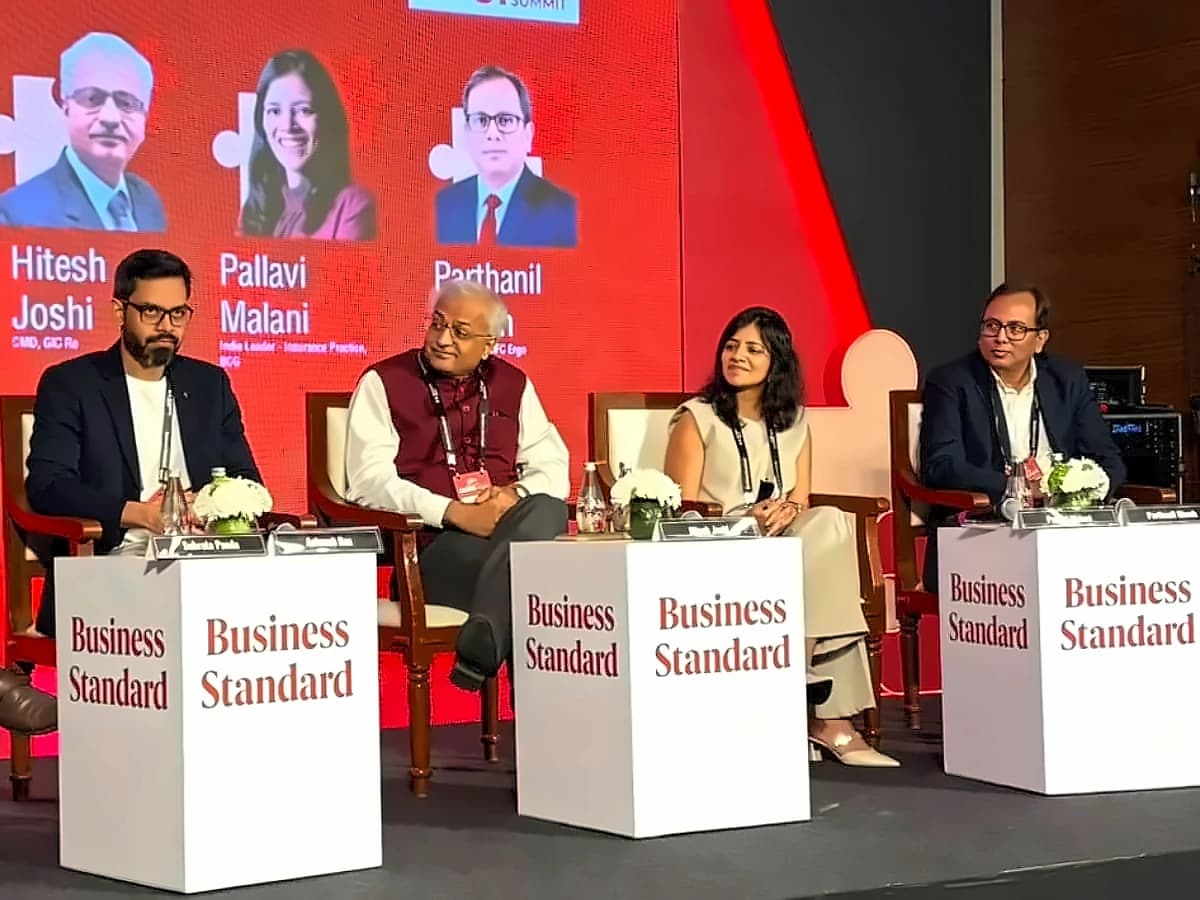
AI is significantly changing how consumers search for and evaluate insurance products, creating new opportunities and challenges for insurers. As reported by Business Standard, Animesh Das revealed that his company currently receives around 5-10 percent of its leads through LLMs and related discovery channels, while Pallavi Malani cited consumer research showing 45 percent of respondents used LLMs for initial product discovery. However, consumers typically check insurers' websites after shortlisting products and then consult agents, human representatives or call centres before making decisions. The panellists emphasized that insurers would need to develop more integrated, omnichannel customer journeys as the pathways of consumer discovery are definitely changing.
The discussion highlighted significant insurance gaps among small and medium enterprises, particularly in tier-two and tier-three towns where products such as cyber insurance remain underpenetrated. According to Business Standard, the panellists called for better risk mitigation, affordable insurance products and stronger coordination between policyholders, insurers and reinsurers. On climate risks, the speakers emphasized the need to improve the assessment of catastrophe exposures and debated whether insurers should have greater flexibility in investing their funds to improve returns and potentially lower policy costs, though some acknowledged benefits while others cautioned about additional risks exposure.