According to Bloomberg News, DoorDash has officially completed its acquisition of Instacart in a deal valued at approximately $17 billion, paying $65 per share in cash and stock. The transaction represents a 26% premium to Instacart's closing stock price on October 22, the last trading day before media reports about a possible sale. DoorDash plans to finance the purchase using cash on hand and debt from JPMorgan Chase, targeting a debt structure that maintains investment-grade ratings. The deal is expected to close toward the end of 2027 or in the first half of 2028, with DoorDash planning to keep Instacart's brand, enterprise technology products and app following the closing.
As reported by Bloomberg News, Instacart shares declined approximately 2% following the announcement, while DoorDash's stock jumped around 8%. The acquisition represents the latest sign of consolidation in an increasingly competitive delivery market, with DoorDash already the leading restaurant delivery app in the US. For DoorDash, buying Instacart would boost its grocery delivery segment, which CEO Tony Xu recently described as the fastest-growing part of the business, better positioning the company to compete with retail giants like Walmart and Amazon.
As reported by Reuters, DoorDash looks like the more natural fit for Instacart, given the complementary strengths of its restaurant delivery network and Instacart's grocery expertise. The acquisition would expand DoorDash's presence in online grocery delivery, building on its existing retailer partnerships including Sephora, Macy's, Staples and Anthropologie, as well as its recent partnership with Kroger. Instacart's higher-margin advertising and back-end technology business would also bolster DoorDash's enterprise tools for in-person dining and retailer ad management. Instacart's enterprise customers include Costco Wholesale, which has used Instacart's tech to power online ordering in parts of North America and Europe, with advertising and enterprise sales accounting for nearly 30% of total revenue in the second quarter.
According to Reuters, competition from Amazon and Walmart has increased significantly, with Amazon strengthening its online grocery business after slowing physical grocery expansion. Its delivery network helps move household essentials, pantry items and fresh products faster, with both companies expanding same-day and next-day delivery services. This creates new challenges for Instacart's quick-delivery business. Instacart became a listed company in 2023 and benefited greatly when grocery delivery demand surged during the pandemic, but maintaining that growth has proved difficult. In December, it agreed to pay $60 million to settle regulatory allegations from the Federal Trade Commission regarding false advertising and unlawful subscription enrollment practices.
On Thursday, DoorDash reported third-quarter results that exceeded Wall Street's estimates, providing an early look into consumer demand for delivery services ahead of Uber's results next week. According to Bloomberg News, third-quarter gross order value grew 36% to $33.9 billion, beating the average analyst projection of $33.7 billion. The company issued a fourth-quarter outlook for gross order value of $35.4 billion to $36.4 billion, ahead of estimates. However, DoorDash continues to expect "significant levels of ongoing investment" in various initiatives including new shopping categories, international markets and its technology stack, with adjusted earnings before interest, taxes, depreciation and amortization expected at $900 million to $1.1 billion for the last quarter of the year.
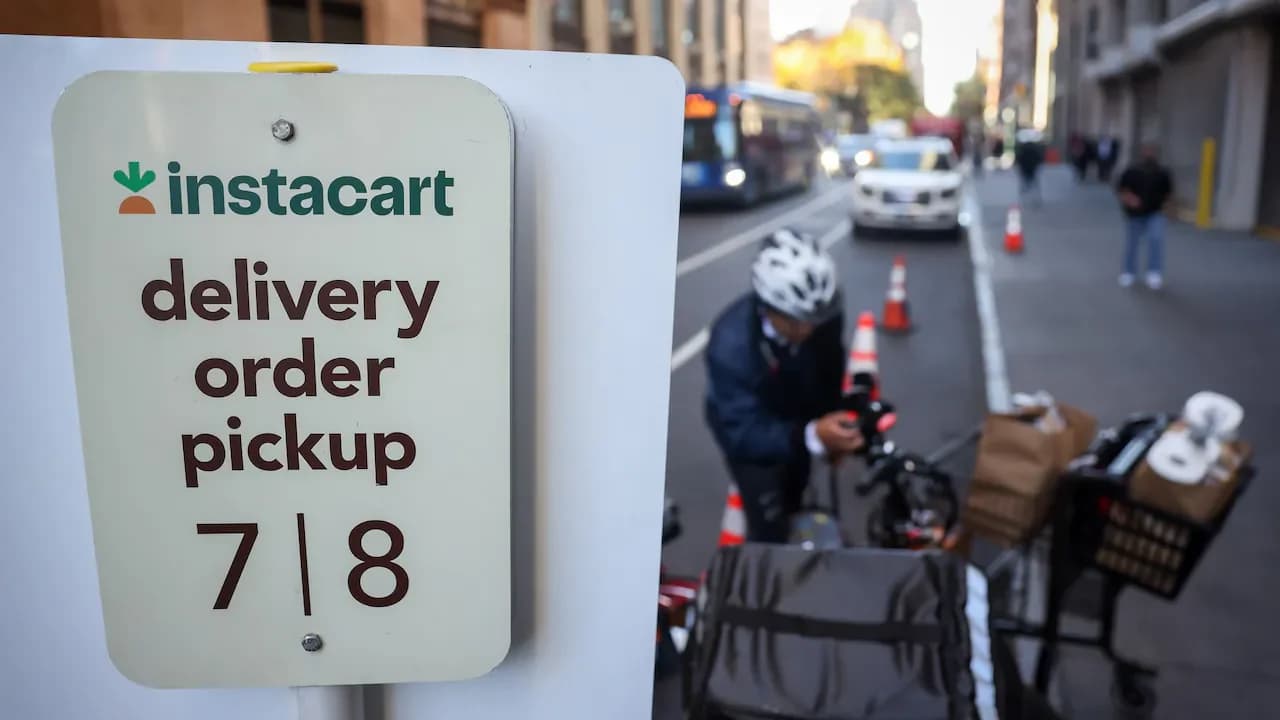
The broader delivery-app segment has been consolidating since the pandemic, with DoorDash on a buying spree that includes the purchase of UK-based Deliveroo last year, hospitality tech company SevenRooms and ad-tech firm Symbiosys. It also agreed in September to buy the campus dining business of smaller rival Grubhub. Uber, which held talks at one point to buy Instacart, signed a deal in July for Germany's Delivery Hero to strengthen its position internationally. An acquisition of Instacart could give either Uber or DoorDash access to its existing retailer partnerships and grocery marketplace, potentially strengthening their ability to compete with Amazon and other delivery providers, though such a deal would attract antitrust scrutiny from regulators.