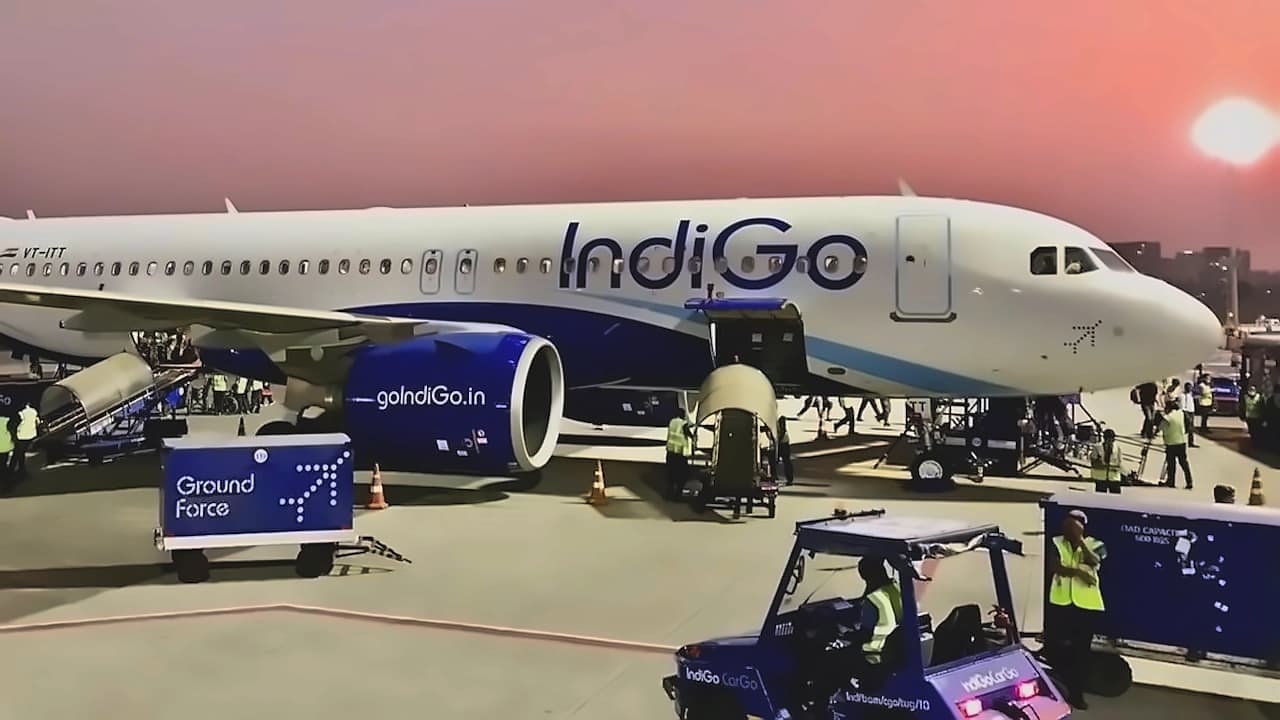
According to DGCA data, IndiGo maintained its position as India's largest airline with a 64.9% market share in May, as the domestic aviation sector rebounded from three months of subdued growth. The low-cost carrier carried 99.91 lakh passengers during the month, further consolidating its dominance in the domestic aviation sector. This performance reinforces IndiGo's strong market position despite competitive pressures in India's expanding aviation market, with the airline successfully maintaining its leadership position across key performance metrics. The airline's consistent operational excellence continues to demonstrate that network scale does not necessarily come at the expense of operational reliability, with IndiGo reaching a level of operational maturity where fleet size, network density and schedule complexity are increasingly becoming competitive advantages rather than operational liabilities.
The domestic aviation sector showed a significant rebound in May with 15.39 million passengers carried, representing a 9.5% year-on-year increase and 12% month-on-month growth over April. As reported by DGCA, this recovery follows three months of subdued growth, with passenger traffic remaining flat in February before declining in March and April. The May performance was particularly strong due to the summer holiday season and a favorable base effect, as passenger traffic in May 2025 had been significantly impacted by Operation Sindoor and heightened India-Pakistan tensions. According to Gagan Dixit from Elara Securities, "May demand is generally stronger than April because of holiday travel," while Jainam Shah from Equirus Securities noted that "the year-on-year growth in May is due to the base effect. Last year, Operation Sindoor significantly impacted travel sentiment in May."
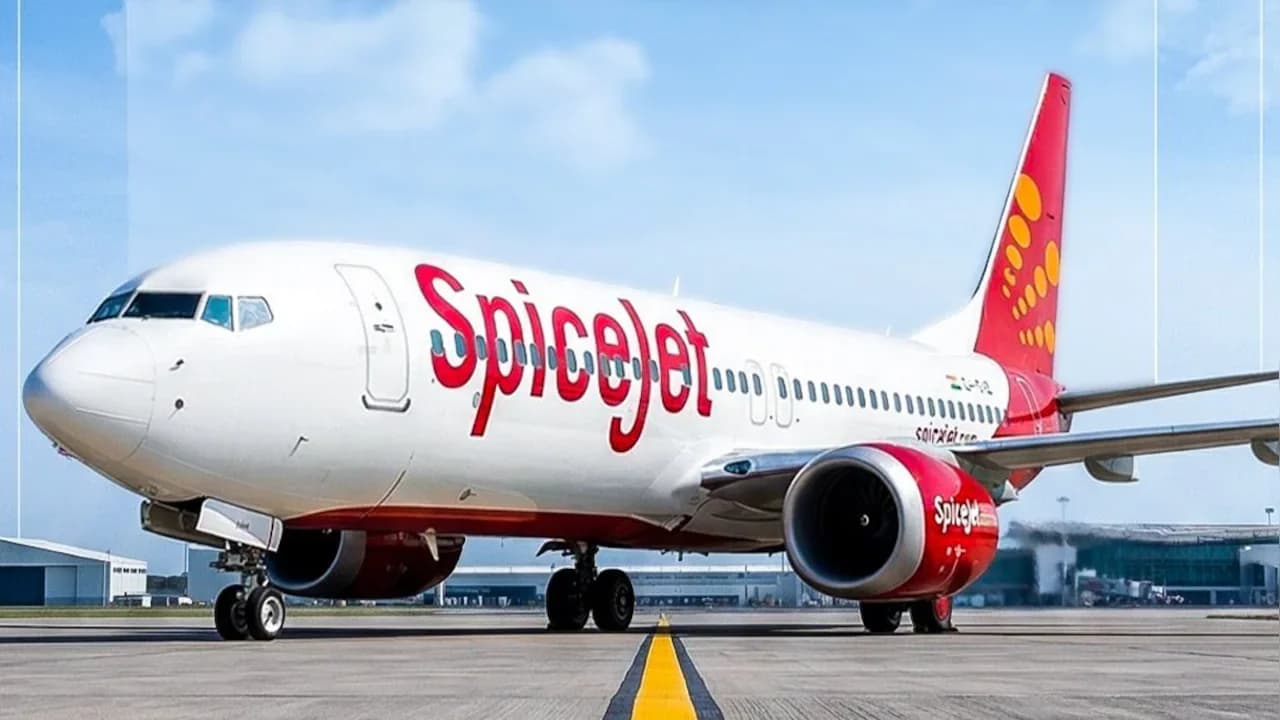
The domestic aviation sector showed steady growth with 1.53 crore passengers carried during May, representing a 1.21% year-on-year increase in traffic. As reported by DGCA, this growth reflects steady demand for air travel despite seasonal fluctuations in the market. The market composition revealed Air India Group holding second place with 25.6% market share and 39.33 lakh passengers, while Akasa Air continued expanding with a 5.8% market share after carrying 7.95 lakh passengers. SpiceJet's market share slipped below the 3% mark, accounting for 2.5% of domestic traffic with 3.86 lakh passengers during the month, indicating that the airline's challenge is no longer demand generation but operational execution. According to Equirus's Shah, "Air India Group's market share improved in May, primarily at the expense of SpiceJet rather than due to a broad-based market recovery."
According to DGCA data, IndiGo recorded the highest on-time performance (OTP) at 82.8%, reinforcing its reputation for schedule reliability and operational efficiency. The airline's strong punctuality rate demonstrates its ability to manage flight schedules and passenger connections effectively. Akasa Air ranked second with an OTP of 78.3%, while the Air India Group posted 74.5% and Alliance Air recorded 70.5% on-time performance. SpiceJet registered the weakest punctuality performance among major domestic airlines, with an OTP of just 26.5%, indicating that fewer than one in three of its flights operated on schedule during the month. The data reveals that nearly 71% of all delays were classified as reactionary—caused by earlier disruptions cascading through airline networks, highlighting how increasingly complex fleet rotations and high aircraft utilisation are making operational resilience as important as commercial strategy.
Of the country's five largest airlines, IndiGo, Air India Express and Akasa Air expanded operations during May, while Air India and SpiceJet reduced capacity. IndiGo operated 62,993 departures, increasing capacity by around 6% year-on-year, while Akasa Air continued rapid expansion with 5,172 departures, up more than 19% from the previous year. Air India operated 15,510 departures, about 500 fewer than a year earlier, while its low-cost subsidiary Air India Express increased departures 5% to 11,616. SpiceJet reduced capacity by about 7%, operating 2,660 departures, roughly 200 fewer than a year earlier, and recorded the highest cancellation rate at 4.04% among the five largest airlines. The industry-wide passenger complaint ratio averaged just two per 10,000 passengers, with baggage handling, flight disruptions and refund issues together accounting for nearly three-quarters of all complaints.