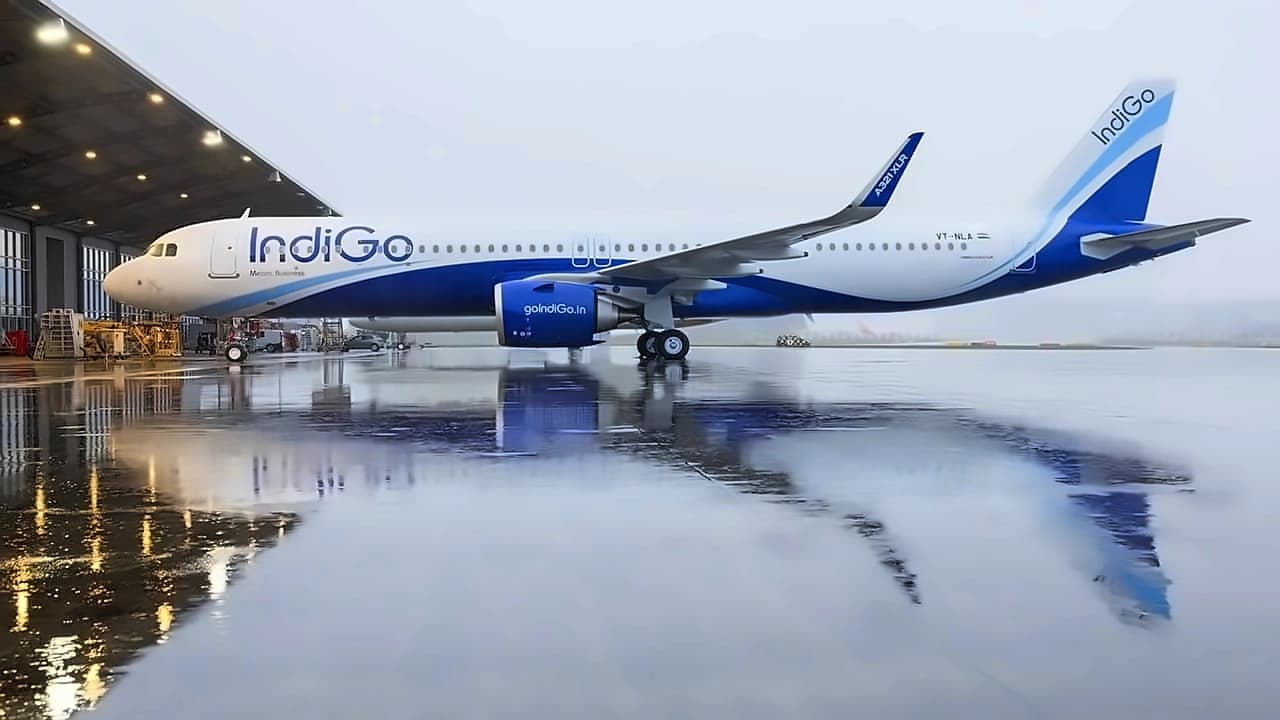
IndiGo shares surged 2.4% to an intraday high of ₹5,030.50 on the NSE following a positive review by global brokerage Jefferies, which sees potential upside of over 20% in the counter. As of 9:40 AM, the stock traded 1.3% higher at ₹4,982, demonstrating strong investor confidence in the airline's strategic direction. Jefferies highlighted the management's focus on near-term industry rationalisation, with airlines prioritising profitability over growth amid elevated costs. The brokerage noted that "In the current high-cost environment, airlines are prioritising profitability over volume expansion, with prudent capacity deployment aimed at protecting the bottom line." This strategic approach could help maintain pricing discipline and improve the balance between supply and demand in the aviation sector.
According to reports from ET Now, IndiGo has implemented a comprehensive fare hike affecting multiple service categories. The airline has raised charges for infant passengers, excess baggage, priority check-in, and other ancillary services. Latest developments show the airline has revised its fee structure across several core services, with the updated tariffs now effective under the airline's revised travel terms and conditions. Kranthi Bathini, director, equity strategy at WealthMills Securities, highlighted that IndiGo is the largest airline in India with a dominant market share of more than 65%, making the development unlikely to impact passenger demand given its strong market position. Jefferies noted that management sees recent fare hikes as partly sticky, supporting medium-term revenue quality and providing resilience in pricing and yields despite operational challenges.
As reported by ET Now, the fare hike specifically targets infant passengers, excess baggage, priority check-in, and other ancillary services. Latest data reveals that passengers travelling with children under the age of two will see a fee increase of ₹1,000. According to The Economic Times, the fee for an infant travelling with an accompanying adult has been increased to ₹3,000 from ₹2,200, with the revised fee applying to domestic flights and charged separately from the passenger's ticket fare. Under IndiGo's rules, infants cannot occupy a separate seat and must travel on the lap of an accompanying adult, with each adult passenger able to travel with only one infant. These increases affect different segments of airline services, indicating a strategic approach to revenue optimization across multiple service categories.
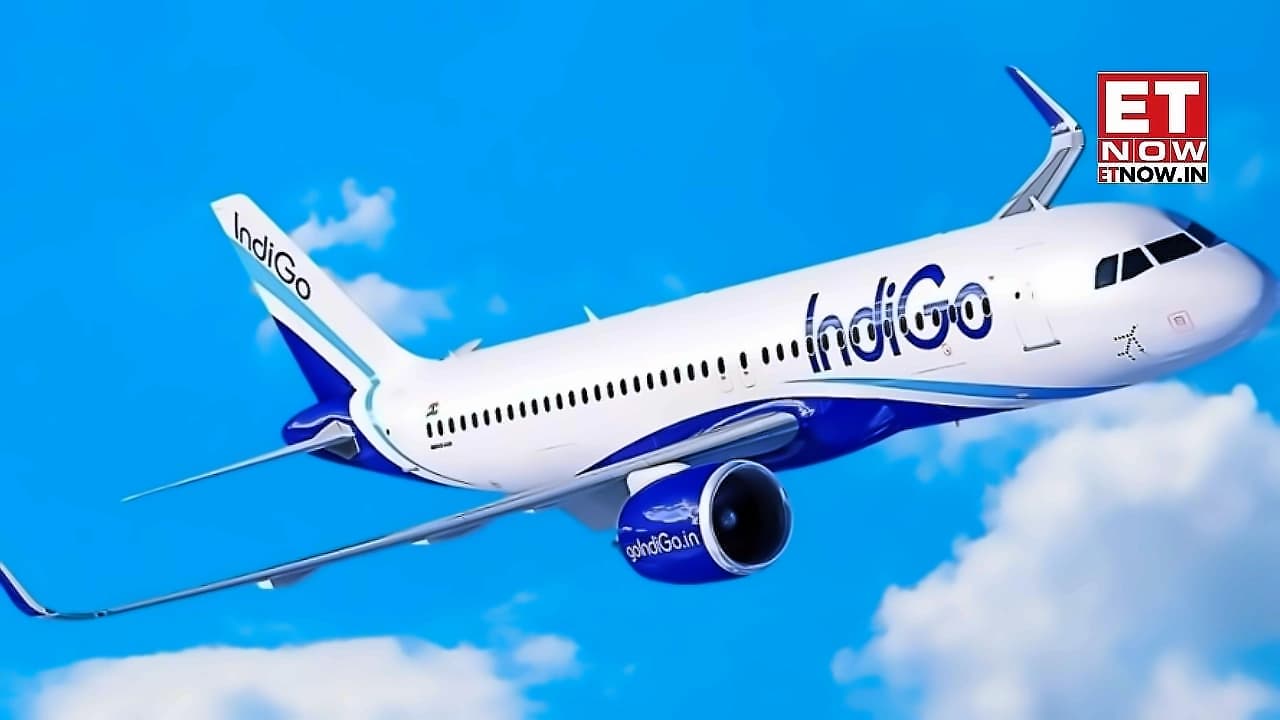
According to ET Now, the airline has also bumped up its excess baggage charges by ₹100 per kilogram beyond the standard allowed limit. As per The Economic Times, passengers carrying more luggage than their permitted baggage allowance will now pay ₹800 for every additional kilogram, up from ₹700 per kg earlier. The airline has also increased the combined fee for priority check-in and boarding to ₹650 from ₹450, with the ₹200 increase applying to passengers opting for the service on eligible domestic flights. The fee changes come as airlines continue to adjust ancillary pricing structures to manage operational expenses. The comprehensive review of the airline's ancillary revenue model affects various customer touchpoints throughout the travel experience, representing a strategic approach to optimizing revenue streams across different service segments.
Despite operational challenges, IndiGo maintains a robust financial position with ₹390 billion in free cash and a strong balance sheet, providing significant financial flexibility as the airline transitions towards greater aircraft ownership and infrastructure investments. Jefferies highlighted that "IndiGo's ₹390bn of free cash and strong balance sheet provide financial flexibility as it transitions towards greater aircraft ownership and invests in infrastructure, including in-house MRO capabilities and an integrated campus." The airline's capacity projections for the second quarter remain little changed, while Passenger Revenue per Available Seat Kilometer (PRASK) is seen growing 25% year-on-year, with management reiterating its FY30 guidance. Jefferies expects strong volume growth from fiscal 2028 onwards, supported by the airline's operational capabilities and strategic priorities under new CEO Willie Walsh's leadership.