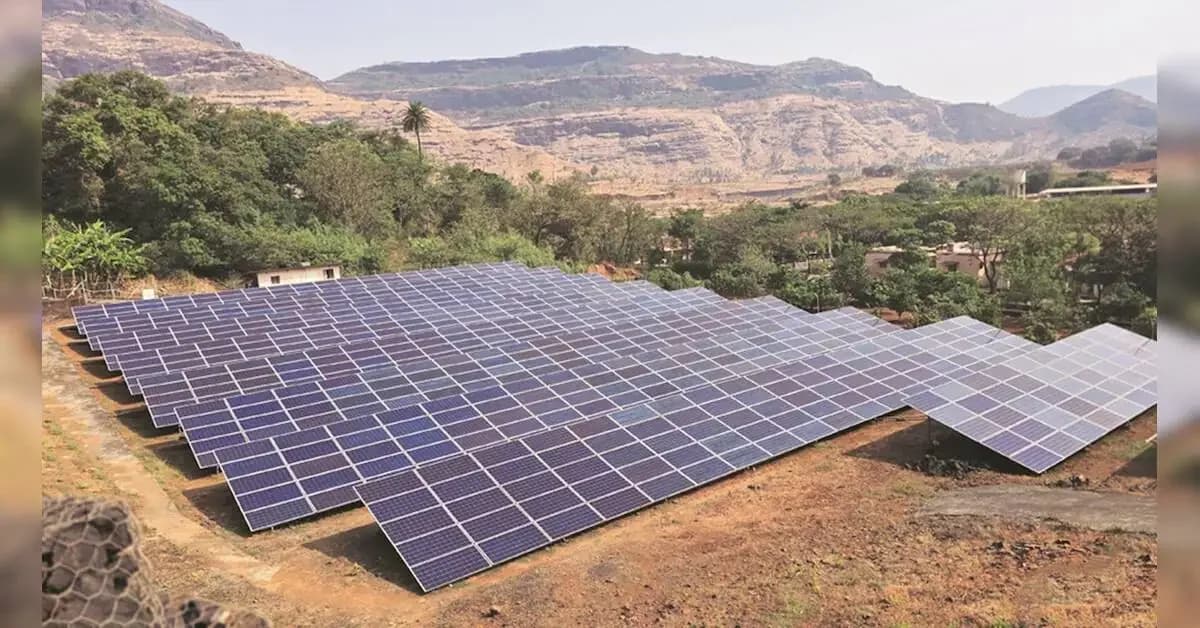
India has reached a historic milestone in its energy transition as Solar Energy Corporation of India (SECI) discovered a thermal-mimicking price of ₹5.25 per kWh for renewable power, guaranteed for 25 years. According to reports from Business Standard, this price is 10% cheaper than new coal contracts priced at ₹5.38-6.30 per unit, marking a fundamental shift in India's energy landscape. The SECI auction required bidders using solar or wind to include battery storage capable of delivering thermal-style availability, demonstrating the technological maturity of renewable energy systems. As per Business Standard, this represents a remarkable achievement where every buyer of electricity in India now has incentive to reduce coal-thermal purchases through various mechanisms including captive generation, group captive structures, and routing through the Inter-State Transmission System.
The economic advantage of renewable energy becomes more pronounced when considering long-term cost projections. As reported by Business Standard, the thermal-mimicking price is fixed in nominal rupees for 25 years, declining by 4% annually due to Indian inflation, while coal prices have historically grown at 9% per year in rupee terms over the last 20 years. The analysis suggests that coal prices will likely increase by only 2% annually in the future, creating a significant cost differential where 50-60% of thermal electricity costs will be exposed to coal price increases versus zero price rise for solar. This structural advantage is expected to accelerate as battery and solar panel costs continue declining through 'Wright's law' effects, with the cost gains on batteries and solar panels through 'Wright's law' continuing in coming years, dropping capital costs and growing the superiority of solar over coal. The most remarkable feature is that as energy-system thinkers move toward market-determined electricity prices, the evening price of electricity will be higher, reducing coal-style base load requirements.
The price discovery represents a fundamental shift in how India approaches energy procurement, moving beyond traditional grid-based systems. According to Business Standard analysis, the traditional view was that there is not much give when it comes to buying electricity, but now every buyer has the incentive to think about how to make or buy solar energy and get it transported to the point of use, so as to reduce direct or indirect purchase from coal-thermal plants. The government-controlled electricity system's cross-subsidies and administrative barriers that protect coal are expected to face increased pressure from this economic superiority, potentially leading to nonlinear adjustments in financial asset prices and real economy operations. As per Business Standard, the key thing is economic superiority - as long as solar was expensive, its growth was limited, but now the economics of solar power has comprehensively beaten that of fossil fuels. This creates the incentive required for firms to find ways out of coal-thermal purchases, with the future definitely involving dynamically fluctuating prices in the day, where the economic superiority of solar is even higher.
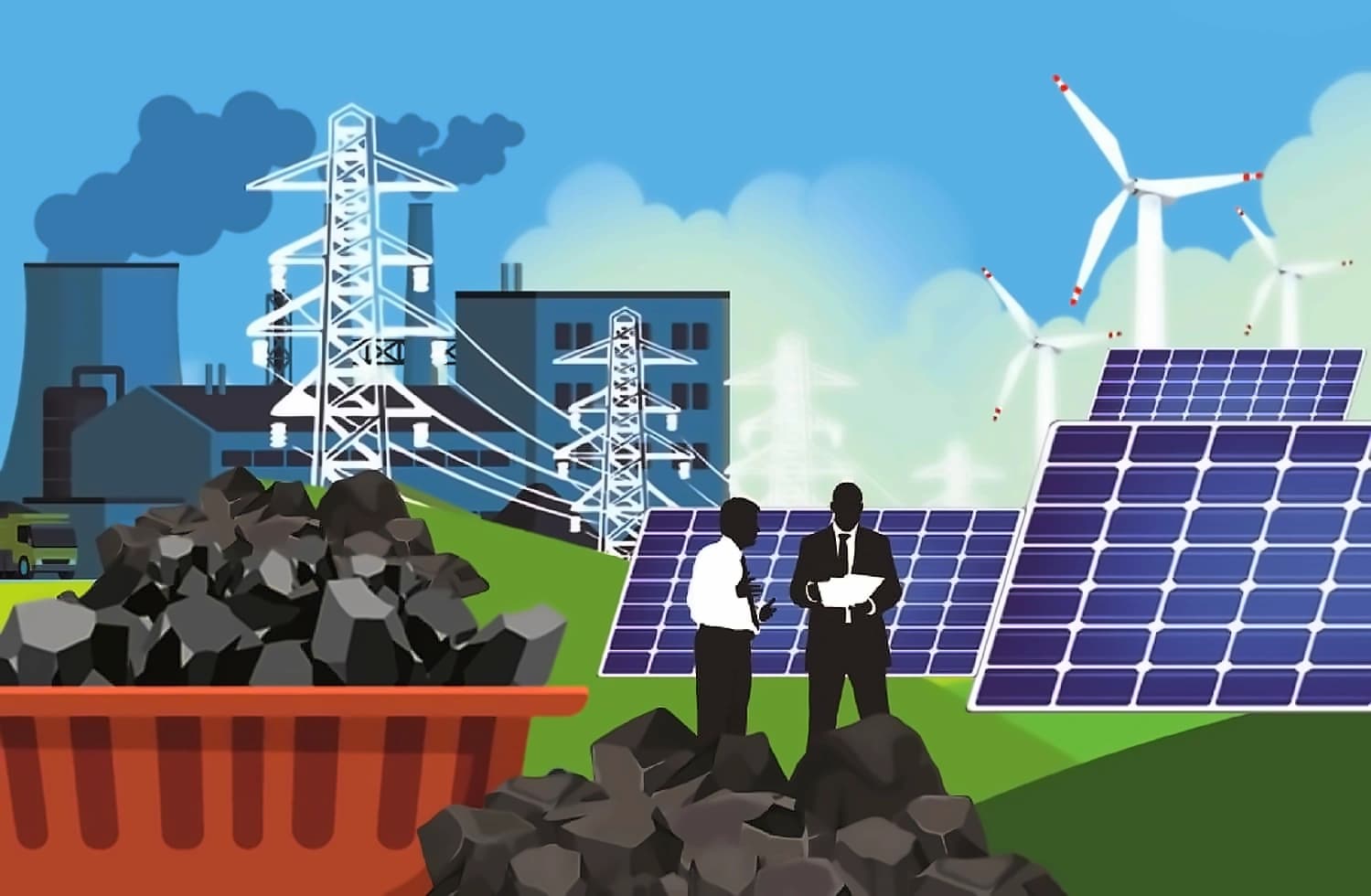
The milestone creates significant opportunities across India's energy sector and financial markets. As reported by Business Standard, renewable energy firms are positioned for investment and growth opportunities as capital flows toward these ventures, while existing coal-thermal firms face declining utilization and reduced margins as new investment in coal becomes increasingly priced out. The analysis suggests that lenders and equity investors need to reprice their exposures to coal-thermal assets, while energy procurement strategies require active board-level attention rather than passive administrative functions. Firms exporting to destinations that have a Carbon Border Adjustment Mechanism will find the superiority of solar to be greater than 10% owing to the wider use of carbon pricing outside India, creating additional competitive advantages. The long journey of renewables and decarbonisation has crossed a tipping point, with India remaining a country in which about 74% of the electricity generated is based on fossil fuels, but this economic superiority is expected to drive nonlinear adjustments in prices of financial assets and real economy operations.