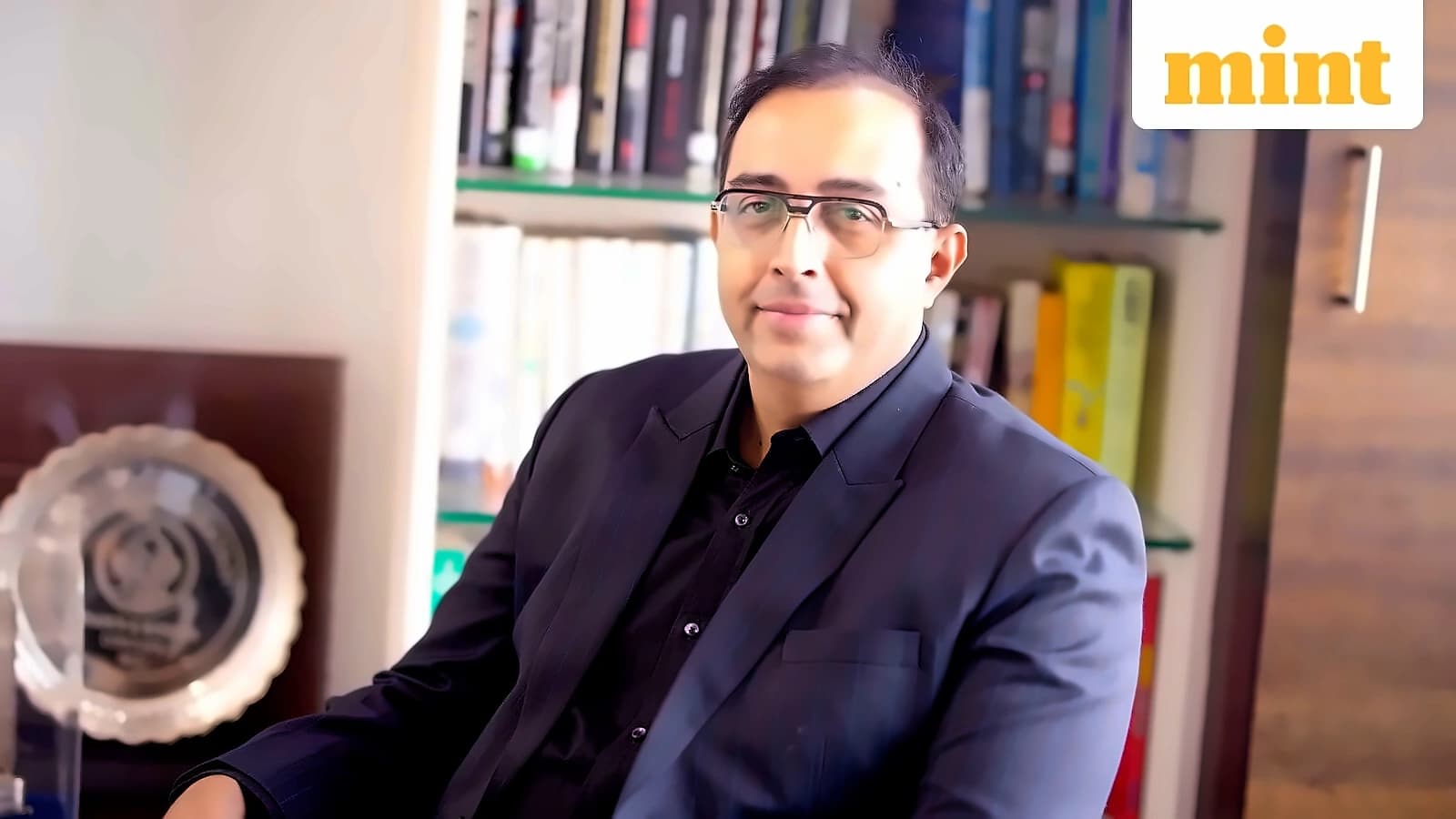
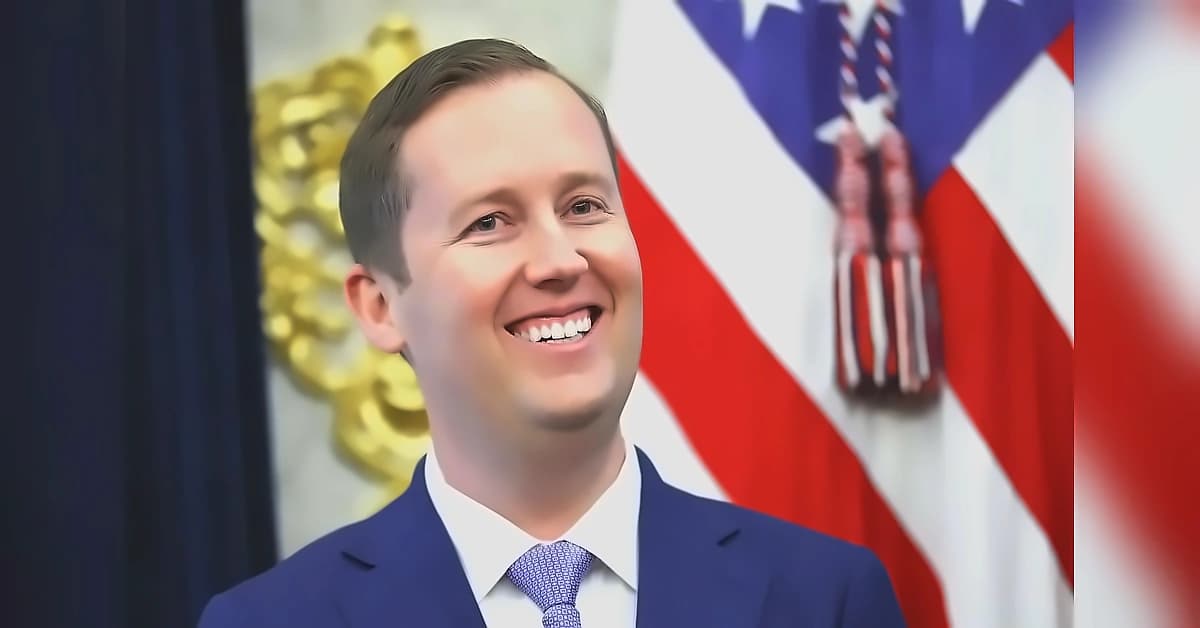
US Ambassador Sergio Gor met with Mahindra Group chairman Anand Mahindra in Mumbai to discuss the company's investments in the United States. According to Gor's post on X, the discussions focused on strengthening American manufacturing, generating jobs, and building resilient supply chains. The Ambassador emphasized that the partnership between India and the United States is 'the most consequential global partnership of the century', noting that what the two nations accomplish together will shape the future. Gor highlighted that in addition to government-to-government engagement, the US private sector has made significant commitments in India, including major technology investments.
The Ambassador outlined significant private sector commitments, stating that Amazon plans to invest US$35 billion into India by 2030 to advance AI-driven digitalisation, while Microsoft has announced a US$17.5 billion investment. Google announced a US$15 billion AI hub in India, representing substantial private sector engagement beyond government negotiations. Gor noted that just last week they officially signed the Critical Minerals Framework with India, describing it as a 'massive milestone' that will help ensure foundational elements for advanced technology and energy are available within trusted networks. The framework aims to protect supply chains from coercive market practices and reduce collective vulnerability to single-source monopolies.
India and the US are holding crucial trade talks in New Delhi with four-day discussions scheduled from June 1 to June 4, aimed at finalising the contours of an interim bilateral trade agreement. The negotiations will be led by US chief negotiator Brendan Lynch and India's chief negotiator Darpan Jain, additional secretary in the Department of Commerce. According to the commerce ministry, both sides are expected to work towards finalising the details of the interim agreement while advancing broader negotiations under the proposed Bilateral Trade Agreement (BTA). Discussions are expected to cover market access, non-tariff barriers, customs and trade facilitation, investment promotion and economic security cooperation. The talks come against the backdrop of two Section 301 investigations launched by the US Trade Representative (USTR) in March against several countries, including India, concerning alleged excess industrial capacity and failures to address forced labour issues in global supply chains.
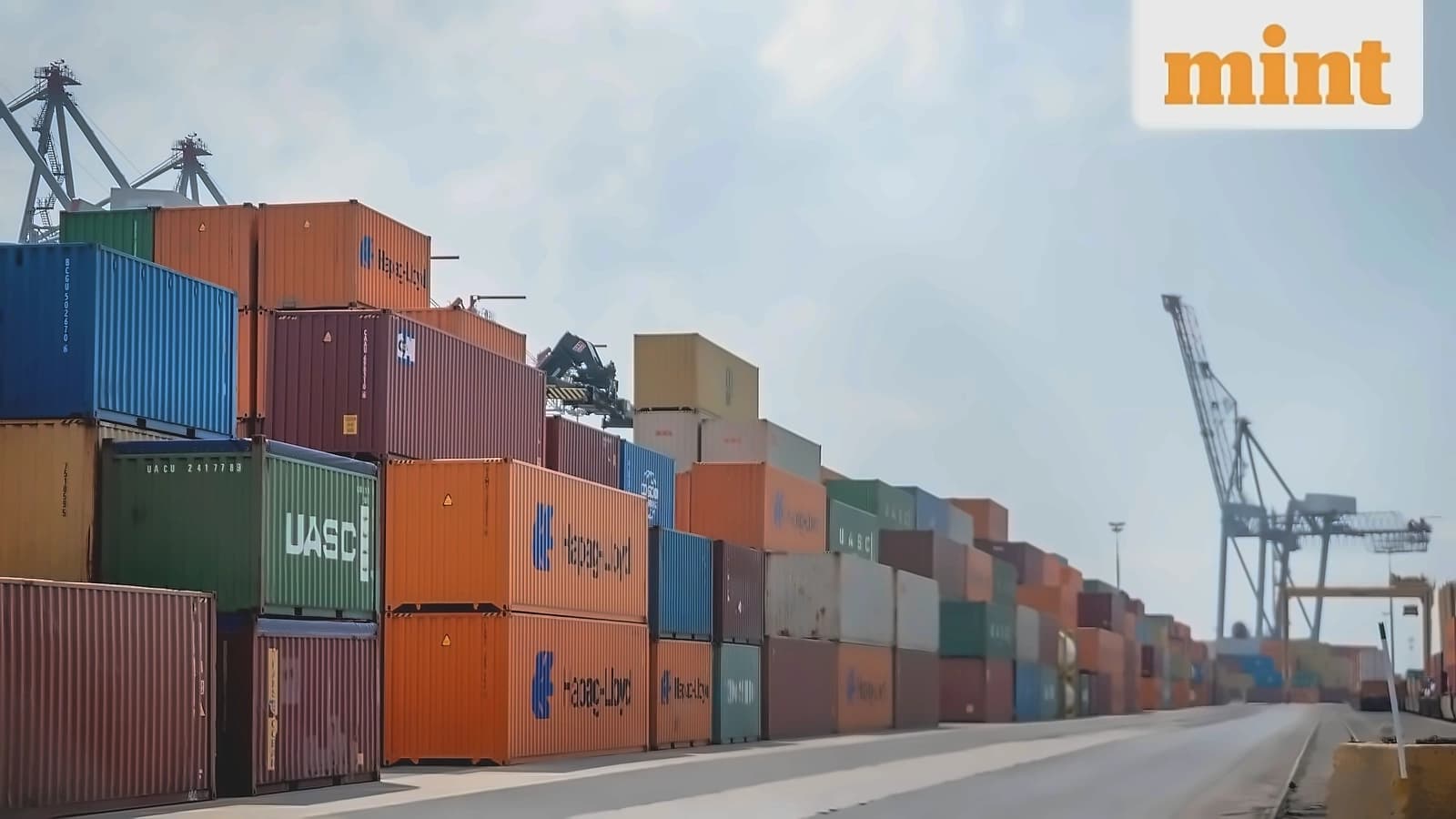
Indian exporters including Ceat, Balkrishna Industries, CNH India and Gokaldas Exports are actively seeking refunds of Trump-era reciprocal tariffs after the US Supreme Court ruled them illegal in February 2026. According to reports from The Economic Times, the US Customs and Border Protection Department launched an online portal on April 20 to process refunds for companies that paid duties since the levies were implemented in April 2025. At stake is the massive customs duty paid by Indian companies during April 2025 and February 2026, when revised tariffs of 10% were imposed, representing a significant reduction from the earlier tariff rates of 3-15%. The Supreme Court invalidated only the country-by-country tariff rates Trump set by citing the 1977 International Emergency Economic Powers Act, while the president has moved to introduce new tariffs since the court's ruling.
Despite the Supreme Court ruling, the Trump administration announced on Friday that it plans to challenge the refund order, bringing fresh uncertainty to the repayment process. As reported by The Economic Times, the refunds only apply to reciprocal tariffs imposed by the Trump administration on countries in April, which were separate from tariffs imposed on auto and auto ancillary players under Section 232 of the US Trade Expansion Act in March. India's exports to the US were taxed at 27% under the reciprocal tariff regime, which was later raised to 50% amid differences over New Delhi's import of Russian oil. Since the Supreme Court ruling, a flat 10% tariff has been imposed on all countries. The Justice Department revealed its appeal preparations while objecting to Judge Richard K. Eaton's demand for CBP Commissioner Rodney Scott to appear in court, arguing that the Supreme Court's ruling entitled only "all importers of record" to refunds, not all companies that paid duties.
According to The Economic Times, Balkrishna Industries deputy chief financial officer Ravi Joshi told analysts that the company has filed for refunds but has not yet received any payment. The Americas region accounted for 13% of the company's total sales in FY26, with the company potentially passing back recovered amounts to customers. Ceat managing director Arnab Banerjee noted that off-highway tyres are potentially eligible for refunds, with the company's recently-acquired Camso brand deriving nearly one-third of its business from the North American market. Gokaldas Exports CFO Sathyamurthy Annamalai highlighted uncertainty about whether brands will pass back refund benefits to suppliers who offered discounts to minimize high tariff impact. Smaller companies have begun receiving refunds, with toy company Basic Fun receiving about $450,000 (7% of total claim) over two consecutive days, while men's grooming brand Manscaped received about 30% of its $12 million application. Some companies plan to use refunds to lower customer prices, with Walmart implementing price cuts even though maximum refunds represent less than half of 1% of its annual US sales.
Refunds reached the bank accounts of first successful applicants on May 12, about three weeks after importers and customs brokers could start submitting claims, according to CBP. Applications for refunds totaling $85 billion — more than half of the $166 billion the agency estimated the government owes to companies that paid the tariffs — were accepted for processing as of May 22, with CBP directing the Treasury Department to issue $20.6 billion in refunds. More than 1,000 companies filed lawsuits in trade court to recoup their tariff costs, though it remains unclear how many importers that paid duties did not sue and might not receive refunds if an appeal succeeds. Legal experts acknowledge significant challenges, with S.R. Patnaik from Cyril Amarchand Mangaldas noting that practical delays cannot be avoided due to sheer volume of claims and certain importers lacking digital payment infrastructure. The appeal could slow the refund process even if the government "already lost the war" before the Supreme Court, as every month of delay allows the Treasury to keep collected funds.