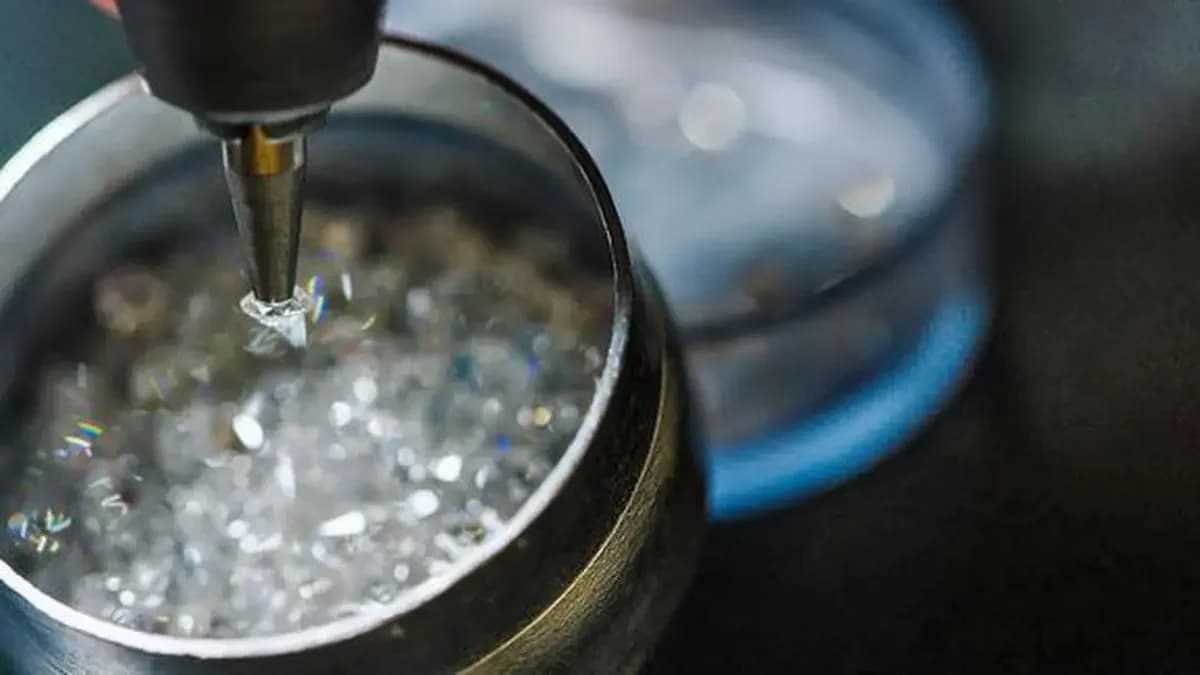
India could become the single biggest force in lab-grown diamonds, with government estimates putting future growth at up to 50 times current levels, according to Tehmasp Printer, Global CEO of the International Gemological Institute (IGI). As reported by CNBC TV18, Printer highlighted that the entire lab-grown diamond process - growing, cutting, polishing and certifying - now happens within India, unlike natural diamonds, which are largely imported and only processed domestically. This comprehensive control positions India to capture significant market share in the rapidly expanding synthetic diamond sector. Union Home Minister Amit Shah has also emphasized that India has the opportunity to control the full value chain for lab-grown stones, from machinery to finished jewelry, as demand for lab-grown gems rises globally.
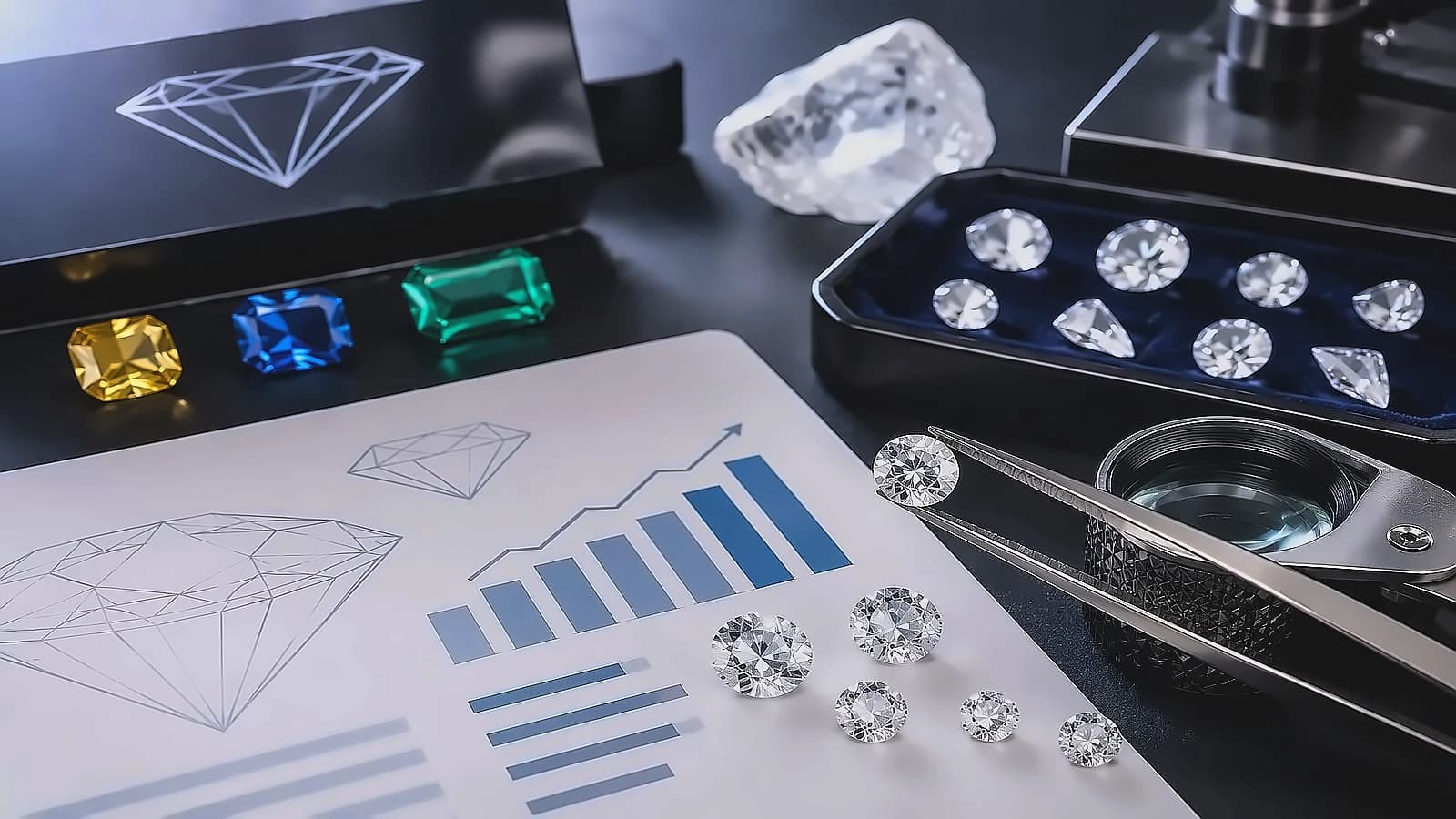
To keep pace with rising volumes, IGI has begun using artificial intelligence (AI) and machine learning in its grading process. According to Printer's comments to CNBC TV18, the company has developed AI models to handle larger volumes of diamonds, combining human expertise with technology specifically built to manage the sharp rise in lab-grown output. This technological advancement enables the certification body to maintain quality standards while processing the increasing production volumes from India's integrated manufacturing ecosystem.
Gen Z and Millennial consumers now make up roughly 50-55% of IGI's overall customer base, as reported by CNBC TV18. These younger buyers are far more informed about what they are purchasing than previous generations, with Printer noting that 54% of all bridals in the US are now lab-grown diamonds. The informed demand is reshaping spending patterns, with buyers using the same budget to purchase larger, cleaner lab-grown diamonds rather than smaller natural stones with visible inclusions, while overall jewellery spending has not fallen. These younger consumers particularly love lab-grown stones for their size and clarity compared to natural diamonds, driving the shift toward synthetic alternatives in the global market.
Printer pointed to a structural difference between the two markets, noting that natural diamonds remain limited in supply and carry higher value per stone, while lab-grown diamonds are a volume-driven business enabled by manufacturing capacity rather than geological scarcity. As reported by CNBC TV18, IGI has built out grading infrastructure specifically to manage this rising volume as production scales further. The company's early move to certify lab-grown diamonds has helped build consumer trust, with IGI's role being to clearly state a stone's origin and let buyers decide between mined or man-made options. As more young people choose lab-grown gems, India's role in shaping this sparkling market looks set to grow even more significantly.