India's industrial production demonstrated resilience in March 2026, growing 5.2% year-on-year and outpacing forecasts of 4.7%. According to AInvest Macro News, this growth was driven by manufacturing and policy-backed infrastructure investment, with the manufacturing sector remaining the engine of economic momentum. However, the data comes amid significant headwinds from rising crude oil prices and disruptions in the Strait of Hormuz, which are increasing input costs and threatening both growth and inflation stability. The Finance Ministry has warned that risks to growth are skewed to the downside, particularly as crude oil prices have doubled and shipping disruptions continue to threaten India's growth trajectory.
Indian companies are significantly increasing their research and development spending, but commercial adoption remains limited due to validation and demand challenges. According to reports from Mint, Indian companies spent ₹651.3 trillion in the last decade, but less than one per cent of that money went on research and development. As a share of net sales, spending on R&D was 0.3% in FY23, down from 0.4% in FY19. The bottleneck lies not in invention but adoption, with new technologies struggling to find buyers without policy backing, institutional trust, or global precedent. This R&D intensity gap persists even as India's industrial production shows steady growth momentum.
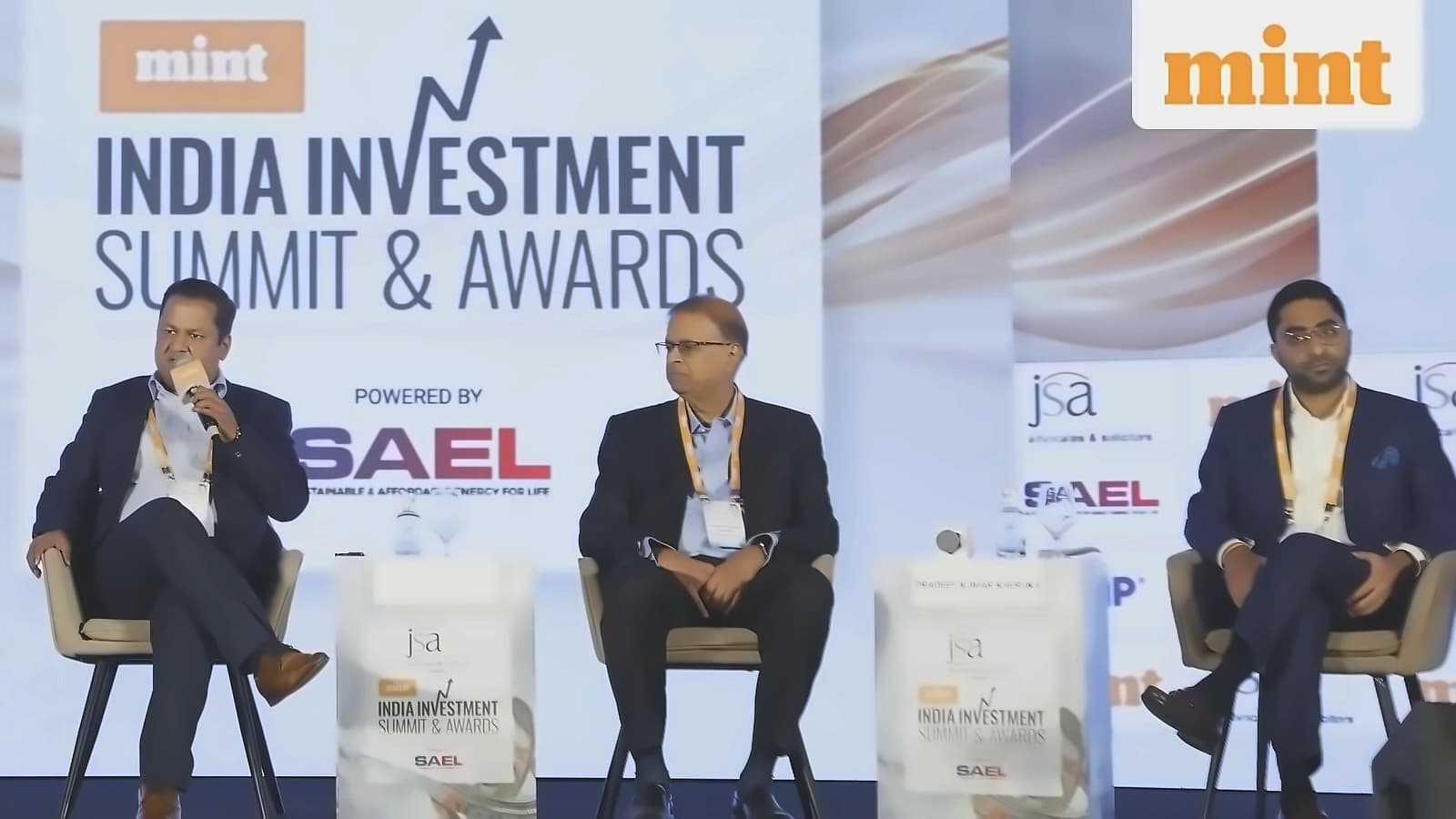
Manufacturing firms are experiencing particular difficulties in commercializing innovative products. As reported by Mint, Borosil Renewables Ltd executive chairman Pradeep Kumar Kheruka cited the company's development of solar glass without antimony as an example of innovation facing resistance. Despite scientific evidence proving antimony leaching from glass, the absence of global precedent has slowed domestic adoption. Similarly, the company developed what it described as the world's first two-millimetre tempered glass, but customers hesitated due to lack of comparable products even in China. These manufacturing challenges occur against the backdrop of global energy insecurity and supply chain disruptions that are affecting India's import-dependent sectors.
Innovation often requires significant upfront investment with uncertain returns, particularly when adoption remains unclear. According to Mint reports, Sael Industries has invested heavily in technologies that convert agricultural waste into power, spending three times the amount spent in a normal Indian boiler to prevent farmers from burning waste in open fields. Specialty chemicals firm Anupam Rasayan has invested in advanced manufacturing techniques, moving from continuous to flow manufacturing as its biggest achievement. The three companies reported varying R&D allocations: Borosil spends about 3% of its EBITDA on R&D, Sael allocates around 1% of its revenue, and Anupam Rasayan employs close to 100 scientists across its research centres.
Executives emphasized the need for policy support beyond manufacturing incentives that actively encourages technology adoption. As reported by Mint, Kheruka suggested the government should work with industry and set targets, saying "this is what we will buy." Awla advocated for parameters like R&D to sales ratio to drive faster innovation. The government's production-linked incentives (PLI) scheme with a total outlay of ₹1.97 trillion offers incentives of 4-6% on incremental sales across 14 sectors, including electronics, pharmaceuticals and automobiles. These schemes enable companies to allocate capital into innovation or R&D, with subsidies allowing for increased R&D investments. Despite these policy measures, the Finance Ministry's March 2026 Monthly Economic Review noted early signs of moderation in economic activity, with rising crude oil prices and supply disruptions emerging as key concerns.
Industry executives highlighted the critical need for stronger collaboration across industry, academia, and government to build a sustainable innovation ecosystem. According to Mint reports, executives emphasized the importance of collaborative innovation approaches involving all stakeholders. They also stressed the need for more risk capital given the long gestation periods required for innovation. The companies noted that while India's R&D intensity is improving, it still needs to scale further to support commercialization of innovative technologies and achieve meaningful commercial payoff for their rising R&D investments. As AInvest Macro News reports, investors are advised to monitor key indicators including industrial production, manufacturing PMI, and inflation trends to gauge whether the economy can maintain its growth trajectory amid global headwinds.