India's largest employers have reintroduced work-from-home policies following Prime Minister Narendra Modi's appeal for fuel conservation amid rising oil prices. According to reports from Mint, the call came just as major employers across IT services, technology and finance were rolling back remote work and enforcing return-to-office mandates. The appeal was made in a speech last Monday, targeting a West Asia crisis that has sent crude oil prices soaring and prompting concerns about foreign exchange conservation.
The buzz around remote-work mandates started with RPG Group chairman Harsh Goenka's social media post last Thursday, requiring "all employees who can work from home should be actively encouraged to do so, in line with our Group's Remote Working Policy." As reported by Mint, the policy is known within the group as the "Workplace 2.0" policy and was introduced during the Covid-19 pandemic to classify employees by the essentiality of their on-site presence. Goenka called for curtailed domestic and international travel, switching company-owned vehicles to EVs, and sustainable commute such as carpool and public transportation to save fuel.
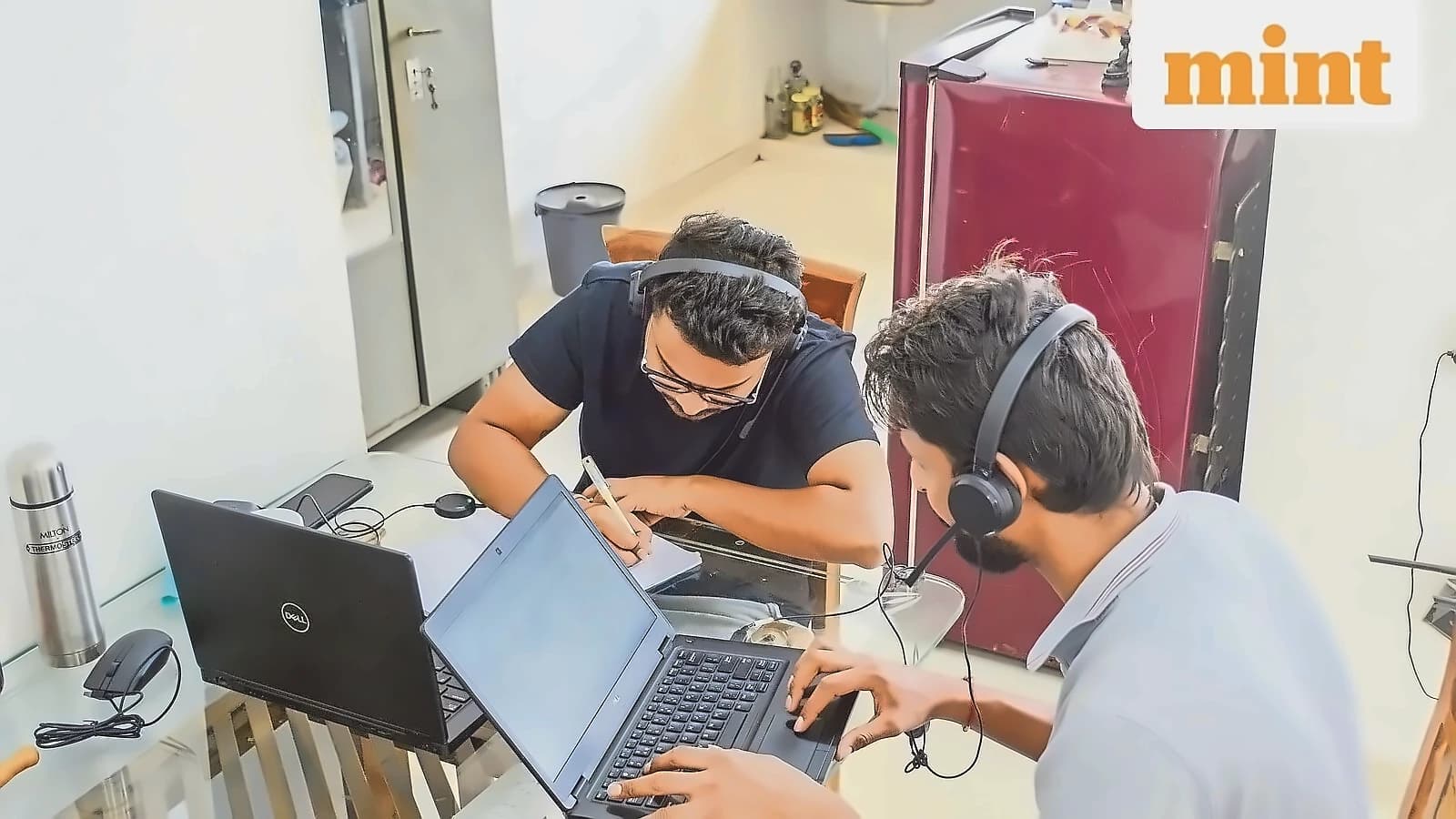
Consulting firms are using flexible work arrangements to serve clients while protecting employee well-being. According to Mint, PwC India acknowledged the prime minister's appeal for "restraint and responsible consumption" and directed employees to undertake travel strictly "where there is a clear business need." Its rival Deloitte India told Mint that it already follows a hybrid working policy, which the organisation has reiterated, with professionals asked to defer non-essential corporate travel and leverage online meetings.
Even essential sectors like banking, financial services, and insurance have asked senior executives to work remotely. Amitabh Kumar Singh, the chief human resources officer at IndusInd Bank, told Mint that the bank has issued clear guidelines on up to two days of remote working as per a pre-assigned roster and invested in digital infrastructure including cyber security software. Hindustan Unilever said it follows a hybrid work model and has reduced travel, with more than 97% of energy used in operations transitioned to renewable energy through strategic partnerships.
While most companies are reiterating existing guidelines, some cannot shift to remote work due to operational requirements. As reported by Mint, Larsen & Toubro has adopted non-WFH measures including EV charging facilities at most offices, such as about 100 charging units at its new Innovation Tower in Powai, and a travel policy introduced in March 2026 calling for reduced travel. Tata Motors and ITC already had work-from-home policies in place since Covid that they continue to follow, with companies not responding to queries about fuel-saving measures.