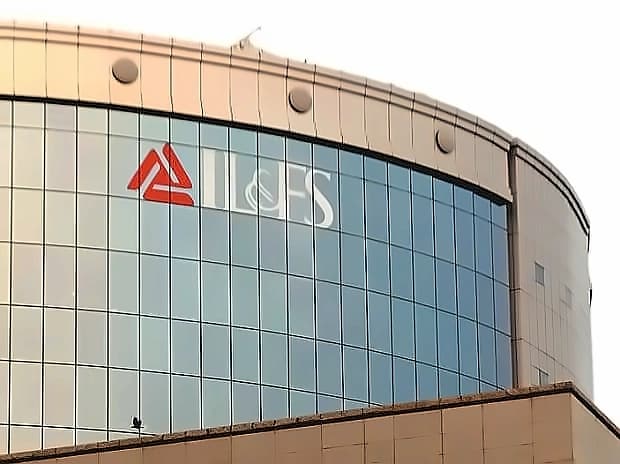
The IL&FS resolution process has emerged as one of India's smoothest bankruptcy cases, with officials expecting to pay back at least 10% more than the ₹61,000 crore committed so far. According to reports from Business Standard, this amount represents 61.38% of total debt owed, with the company having cleared ₹6,145 crore for the Chenani Nashri Tunnel project in Jammu and Kashmir. The recovery has been significantly better than the grim prospects outlined in October 2018, when the new board warned of potential catastrophic impact on financial stability. In FY22, the value realised was just ₹20,968 crore through quick monetisation routes like transfer to InvITs and Non Fund Based releases, such as cancellation of bank guarantees or letters of credits. However, the nature of sales has since improved, with the company now realising more value from asset disposals.
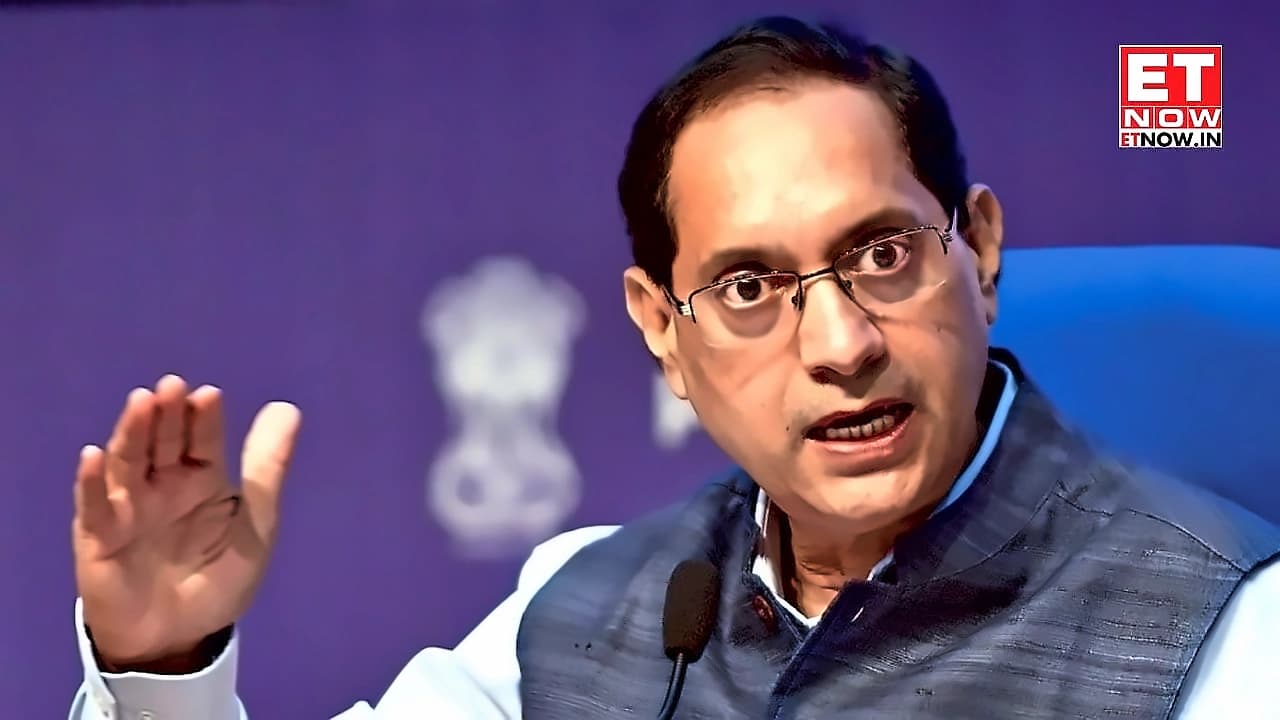
Last week, IL&FS quietly appointed former Finance Secretary M Nagaraju as chairman and managing director for a two-year term. As reported by Business Standard, Nagaraju faces significant operational challenges, including dealing with 62 entities from the IL&FS stable for closure or seeking approvals for sale to bidders. The company has repaid ₹16,013 crore from operating units until July 2026, with successive boards paying ₹50,387 crore out of total liability of ₹99,377 crore. Court records up to July 2026 show the systematic progression of debt repayment across multiple boards.
The IL&FS crisis presented India's first-of-its-kind group insolvency challenge, with 302 companies under the IL&FS flag - 169 domestic and 133 offshore entities. According to Business Standard, the newly-established Insolvency and Bankruptcy Board of India (IBBI) formed an 11-member committee chaired by former Sebi chief U K Sinha to define group insolvency framework. The Sinha committee's recommendations in September 2019 enabled the IL&FS case to proceed, establishing crucial precedents for future group insolvency cases.
The IL&FS crisis led to the creation of the National Financial Regulatory Authority (NFRA) to police corporate auditors, as the regulatory body had been envisaged in the Companies Act of 2013 but remained delayed. As reported by Business Standard, the government subsequently amended the Companies Act in 2020, removing imprisonment threats for simple offences like share buybacks and reducing fines for petty offences from ₹500,000 to ₹200,000. The crisis also prompted debate on whether criminal charges deterred companies from disclosing financial difficulties. The resolution process has significantly influenced insolvency reforms, with the passage of new laws, new regulatory bodies and most importantly, the confidence to test the bankruptcy waters.