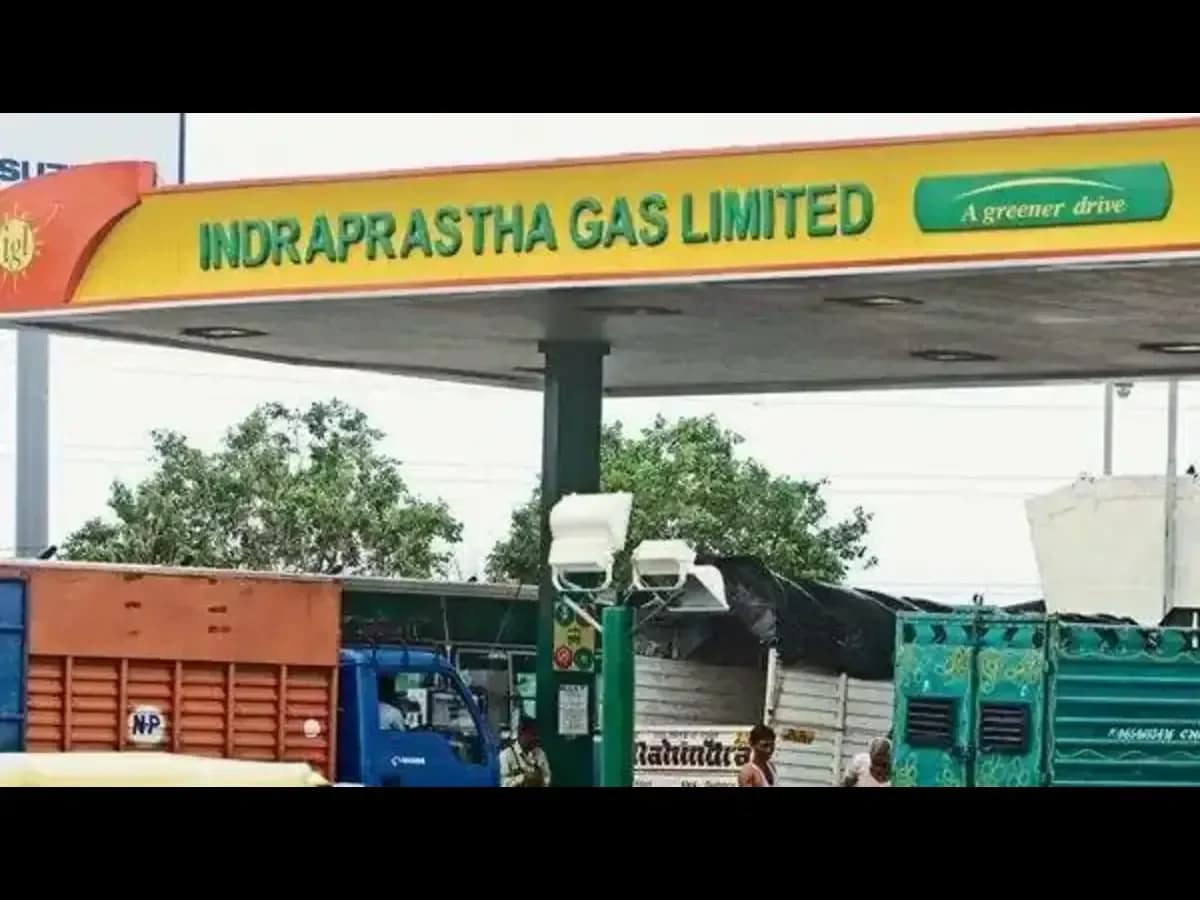
Indraprastha Gas Ltd (IGL) shares surged 6 percent following the latest CNG price revision in Delhi-NCR. According to latest BSE data, IGL gained 5.95 percent to ₹170 in Tuesday's trade. The stock movement reflects strong investor confidence in the company's ability to benefit from rising natural gas demand amid supply constraints. Mahanagar Gas Ltd (MGL) shares also rose 3.13 percent to ₹1,108.15, while Gujarat Gas was trading 0.78 percent higher at ₹383.95, as reported by multiple market sources. The stock has shown modest movement today amid the price revision and is up around 13% from its 52-week low of ₹141.74, while it remains down roughly 30% from its 52-week high of ₹229. Market capitalization stands at approximately ₹22,000 crore.
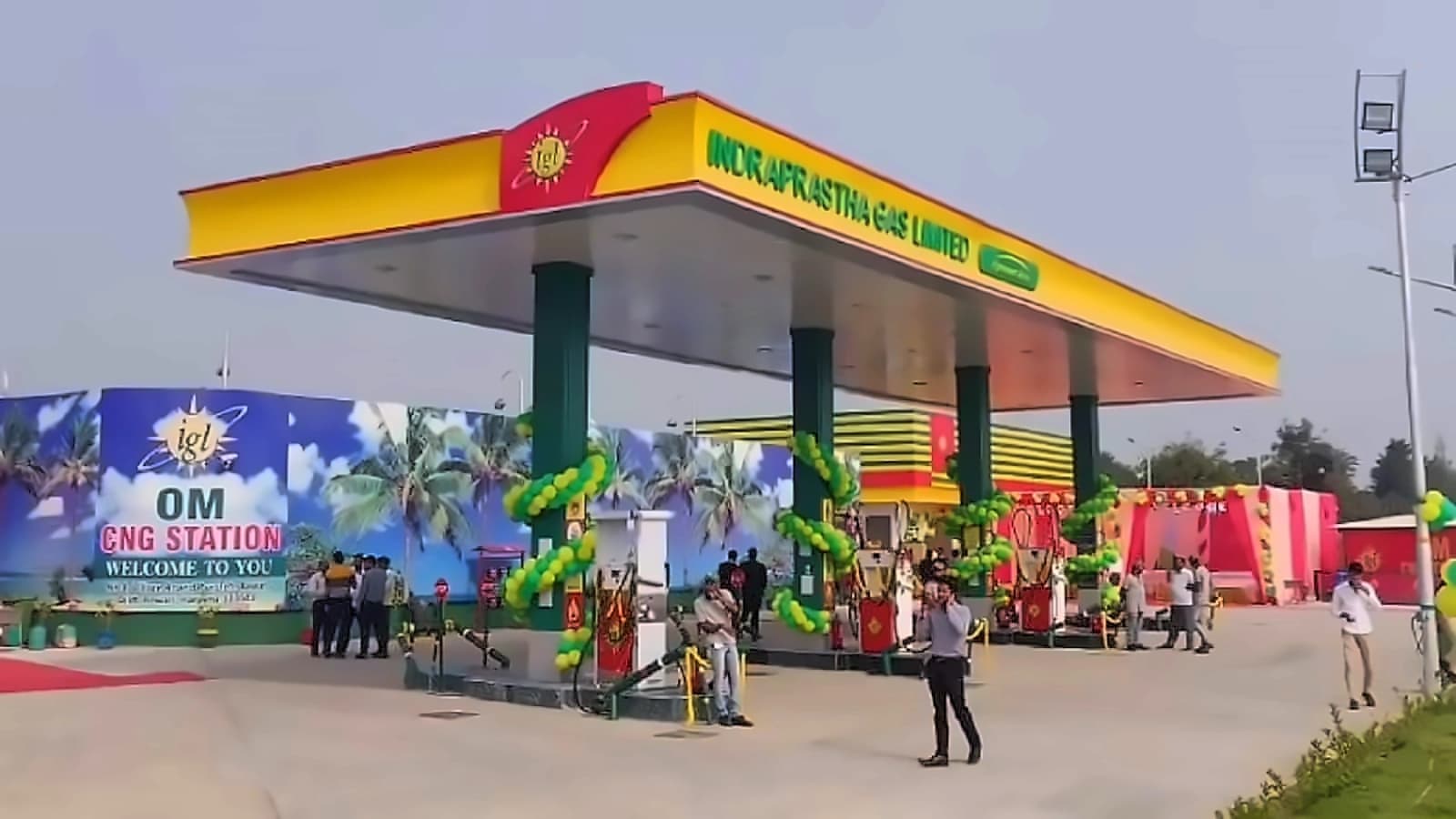
On Tuesday morning, compressed natural gas (CNG) prices in Delhi were increased by ₹2 per kg with effect from 6 am, as reported by Indraprastha Gas Ltd (IGL). Following the latest revision, CNG in the national capital now costs ₹83.09 per kg. This marks the fourth price hike in under eleven days, with cumulative increases over the last ten days attributed to rising global energy prices and supply chain disruptions. The hike represents the fourth price increase since May 15, indicating sustained pressure on natural gas pricing across the region. CNG remains cheaper than petrol and diesel by around 40-45%, providing significant cost advantages for consumers. While some reports initially suggested that MGL had also raised CNG prices, the company's CNG rate card suggests no such move at the time of writing.
According to IGL's customer notification, consumers in Noida, Ghaziabad and Greater Noida will now pay ₹91.70 per kg for CNG, while prices in Gurugram have risen to ₹88.12 per kg. In Ajmer, revised CNG prices now stand at ₹92.44 per kg. Following the price hikes, CNG rates in IGL's service areas ranged from ₹92.44 per kg for NCT of Delhi to ₹94.42 per kg for regions like Kanpur, Fatehpur and Hamirpur. MGL, as the sole authorized distributor in Mumbai, Thane and Raigad district of Maharashtra, continues to distribute CNG for motor vehicles and PNG for domestic, commercial and industrial use.
The latest hike comes amid highly volatile global energy markets as the conflict in West Asia continues without any clear resolution. As reported by IGL, natural gas and Liquefied Petroleum Gas (LPG) supplies are facing pressure due to disruptions in global maritime trade routes. The Strait of Hormuz, which handles nearly 20 percent of global Liquefied Natural Gas (LNG) trade, has been virtually closed, making it one of the world's most critical maritime chokepoints for energy supplies. The price increases are driven by rising input costs linked to global crude oil prices, rupee movement, and imported LNG, reflecting the broader challenges facing the gas distribution sector. Global crude oil prices have surged significantly due to Middle East conflict and the expiry of a US sanctions waiver on Russian oil, adding to supply chain pressures.
Fuel prices in India have seen another increase, with petrol and diesel rates rising by approximately ₹0.87 and ₹0.91 per litre respectively in Delhi, marking the third hike this month. This surge is attributed to global energy market pressures stemming from Middle East tensions and the Strait of Hormuz blockade. A three-day transport strike has started today across Delhi-NCR as commercial vehicle drivers protest rising fuel prices and demand fare revisions, which could lead to traffic congestion and slower movement of goods. However, several auto and taxi unions have distanced themselves from the strike, assuring normal services will continue. State-run oil companies are facing losses due to selling fuel below market rates while global crude oil prices surge, adding to the pressure on fuel distribution companies. Industry experts suggest that the price revisions are primarily driven by higher gas procurement costs and global energy market uncertainties caused by geopolitical tensions in West Asia, with the continued rise in CNG prices expected to affect transportation costs and may eventually influence fares and logistics expenses across multiple sectors.