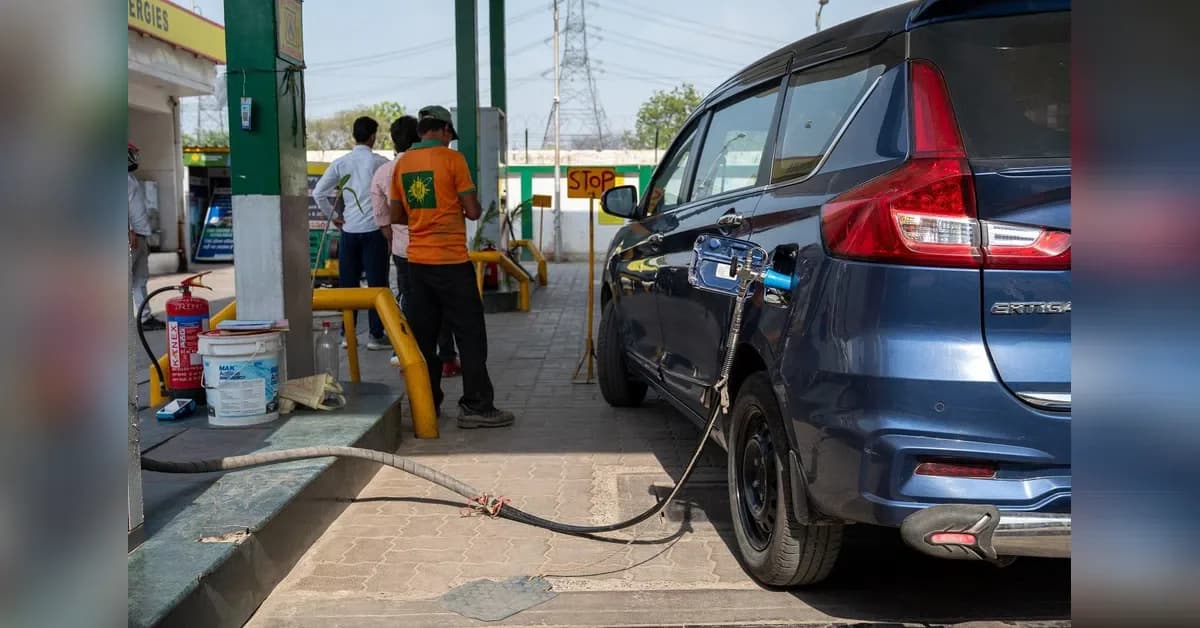
Indraprastha Gas Limited (IGL) announced another increase in Compressed Natural Gas (CNG) rates on Tuesday, taking the total number of hikes to four within less than two weeks. According to The Times of India, the latest revision saw CNG prices go up by ₹2 per kg, following a similar increase last week on Saturday. This marks the fourth consecutive price adjustment by the company in a short span.
The current hike follows a pattern of regular price adjustments by IGL. As reported by The Times of India, rates had gone up by ₹2 per kg on May 15, followed by another Re 1 increase on May 17. The repeated price increases reflect the company's response to changing market conditions and cost pressures.
The continued price increases are attributed to higher global energy prices linked to the ongoing Middle East conflict and disruptions around the Strait of Hormuz. According to The Times of India, these geopolitical factors are creating cost pressures that companies are passing on to consumers through regular price adjustments.
Oil marketing companies announced another increase in petrol and diesel prices on Monday, taking the cumulative rise to nearly ₹7.5 per litre. As reported by The Times of India, petrol prices were raised by ₹2.61 per litre and diesel by ₹2.71 per litre, marking the fourth fuel price increase in less than two weeks. In the national capital, petrol prices climbed from ₹99.51 per litre to ₹102.12, while diesel rates rose from ₹92.49 per litre to ₹95.20. In Delhi, petrol has now crossed the ₹100 mark and diesel is nearing ₹100 in Mumbai.
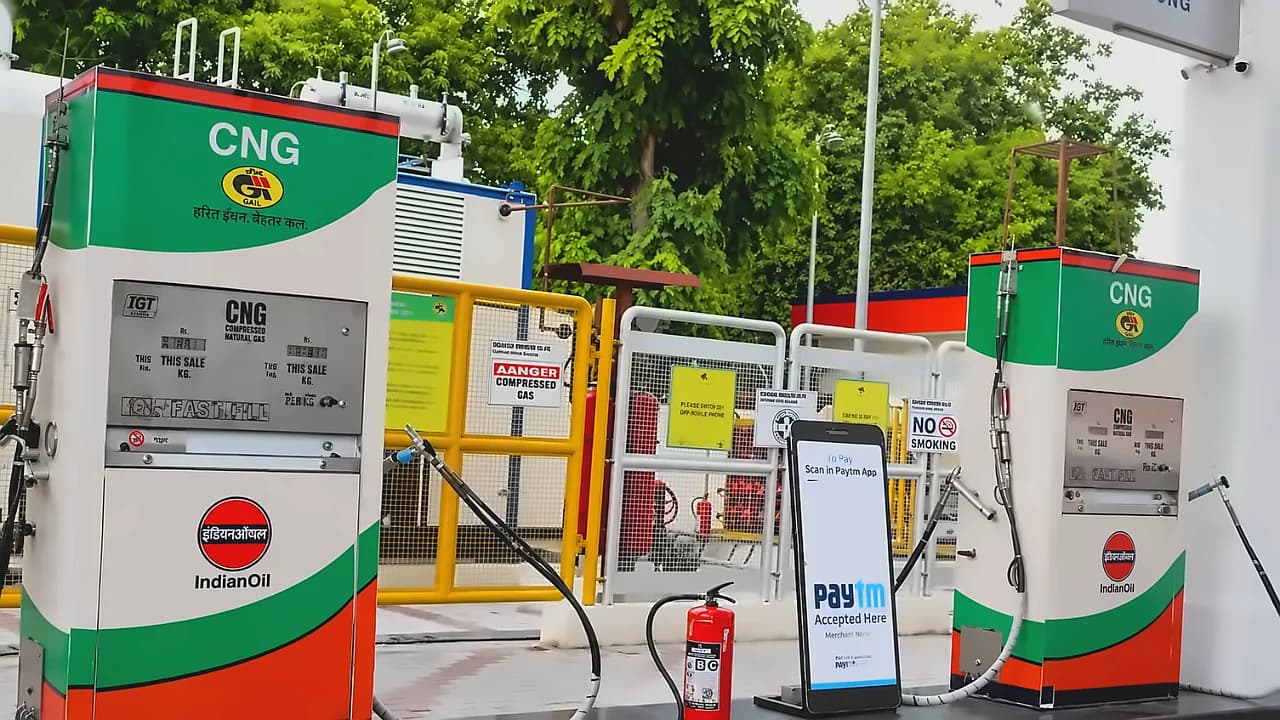
Opposition parties are strongly criticizing the government over the fuel price increases, with Congress leaders condemning these hikes as a silent tax on Indian households. As reported by The Economic Times, Congress leader Mallikarjun Kharge has strongly criticized the Modi government over these hikes, questioning the beneficiaries of these price increases and highlighting the financial burden on common citizens. The sustained price increases are expected to increase pressure on transportation costs and household budgets as consumers face higher expenses amid volatility in global energy markets.