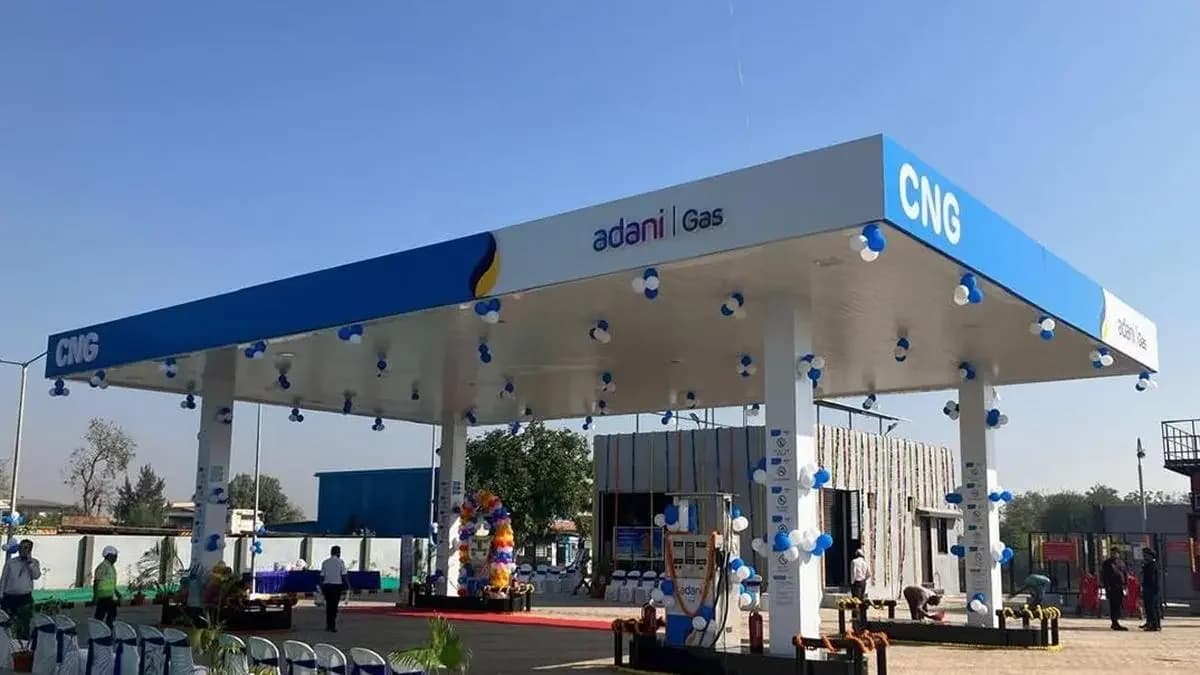
The latest fuel price increases took effect on Tuesday, May 26, with petrol and diesel prices reaching their highest levels since May 2022 following a fresh hike of ₹2.61-2.71 per litre announced on Monday, May 25. This marks the fourth price hike in eleven days, bringing the cumulative rise in fuel prices to nearly ₹7.5 per litre since May 15. The revision follows a ₹3 per litre increase on May 15, a ₹1.80 per litre hike on May 19, and a ₹2 per litre revision on May 23, taking the total rise in CNG prices in Delhi to ₹5 per kg over the period. CNG prices were also revised upward across the Delhi-NCR region, with rates in Noida, Greater Noida and Ghaziabad reaching ₹88.70 per kg, while in Mumbai, CNG now costs ₹84 per kg. The sequencing of these hikes allows state oil companies to rebuild marketing margins quickly without a one-shot shock, while leaving room for policy tweaks if global prices roll over.
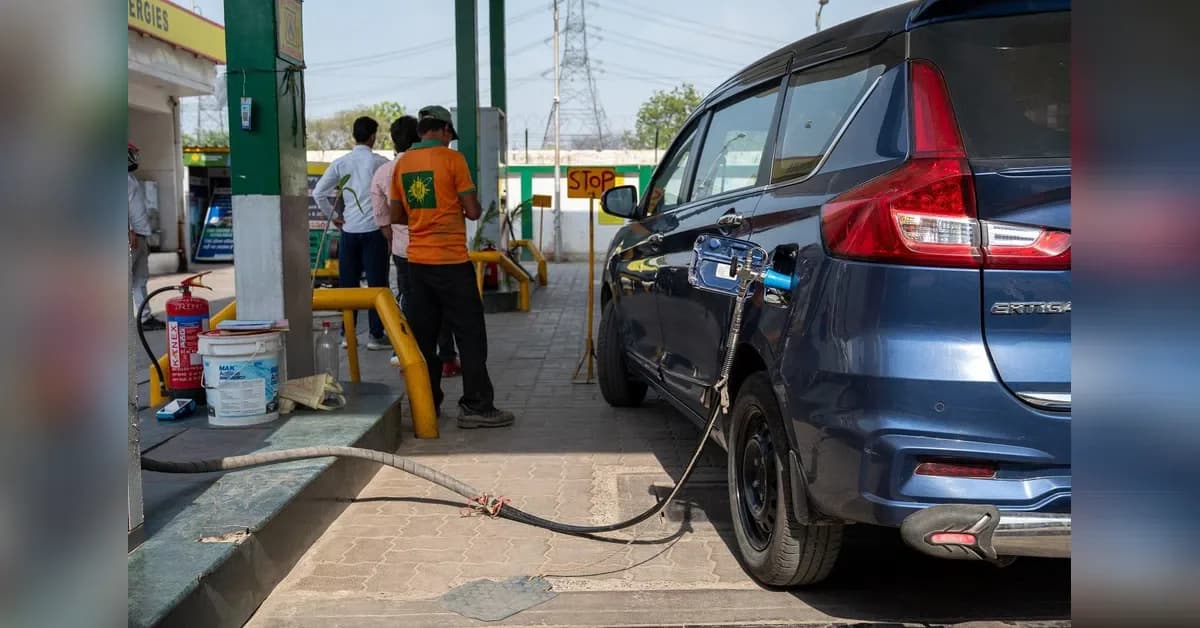
Latest fuel price data shows significant variations across major Indian cities, with petrol prices ranging from ₹101.54 to ₹115.73 per litre and diesel prices between ₹89.47 to ₹104.41 per litre. As per the latest reports, Gurugram leads with petrol at ₹102.59 per litre and diesel at ₹95.27 per litre, while Bengaluru commands the highest rates at ₹110.93 for petrol and ₹98.80 for diesel. Hyderabad follows with petrol at ₹115.73 and diesel at ₹103.82, and Thiruvananthapuram records the highest diesel price at ₹104.41 per litre. With the latest revision, petrol will now cost ₹102.12 per litre in Delhi and diesel ₹95.20 per litre, while Mumbai sees petrol at ₹111.21 per litre and diesel ₹97.83. The price variations reflect regional demand patterns and local tax structures, with state-run fuel retailers controlling nearly 90% of India's fuel retail market through Indian Oil Corporation, Bharat Petroleum Corporation Limited and Hindustan Petroleum Corporation Limited.
The latest fuel hikes have provided significant financial relief to state-run oil marketing companies, with Joint Secretary Sujata Sharma from the Ministry of Petroleum and Natural Gas confirming that the four rounds of price increases have trimmed OMC losses to close to ₹600 crore per day. This represents a substantial improvement from the ₹1,000 crore per day losses experienced before the May 15 price revision cycle began. The policy trade-off remains explicit—protect OMC balance sheets and fiscal space, or cap inflation at the pump and push the subsidy problem elsewhere. The staggered hikes suggest authorities are keeping the excise lever in reserve and relying on market pass-through to avoid opaque subsidies, which supports the rupee at the margin by signaling fiscal restraint. For nearly two-and-a-half months after the conflict began, fuel retailers had kept petrol and diesel prices unchanged despite increasing input costs, with the government citing consumer protection as the rationale.
Shares of leading gas distributors experienced significant gains on Tuesday, May 26, following the latest CNG price revision. According to reports from Business Standard, Indraprastha Gas shares were trading 5.15% higher at ₹168.75, while Adani Total Gas jumped 3.6% to ₹683 and Mahanagar Gas shares gained 3.12% to ₹1,108 per share. ONGC shares also contributed to the sector rally, gaining over 1% to ₹493.10. In comparison, the benchmark NSE Nifty50 index was quoting at 24,056.45 levels, up by a marginal 24.75 points or 0.1%. The rally reflects investor confidence in the sector's ability to benefit from higher liquid fuel prices, which can aid CNG adoption in some corridors, partly cushioning volume risk for listed CGDs. The repeated price increases are expected to add to the financial burden on commuters, transport operators and businesses across sectors.