Hyundai Motor India Ltd (HMIL) has set an ambitious target to increase women's representation in its executive workforce to 20% by 2030, according to a company statement released on September 7, 2026. Currently, women constitute more than 8% of HMIL's total executive workforce of over 4,000 employees. The company announced this initiative as part of its efforts to build a diverse and future-ready talent pipeline, demonstrating a significant increase from current levels. The announcement signals a shift in how one of India's largest passenger vehicle manufacturers is approaching workforce planning — moving diversity from a peripheral concern to a stated business target with a fixed timeline. This approach supports the company's commitment to ESG frameworks and the UN Sustainable Development Goals.
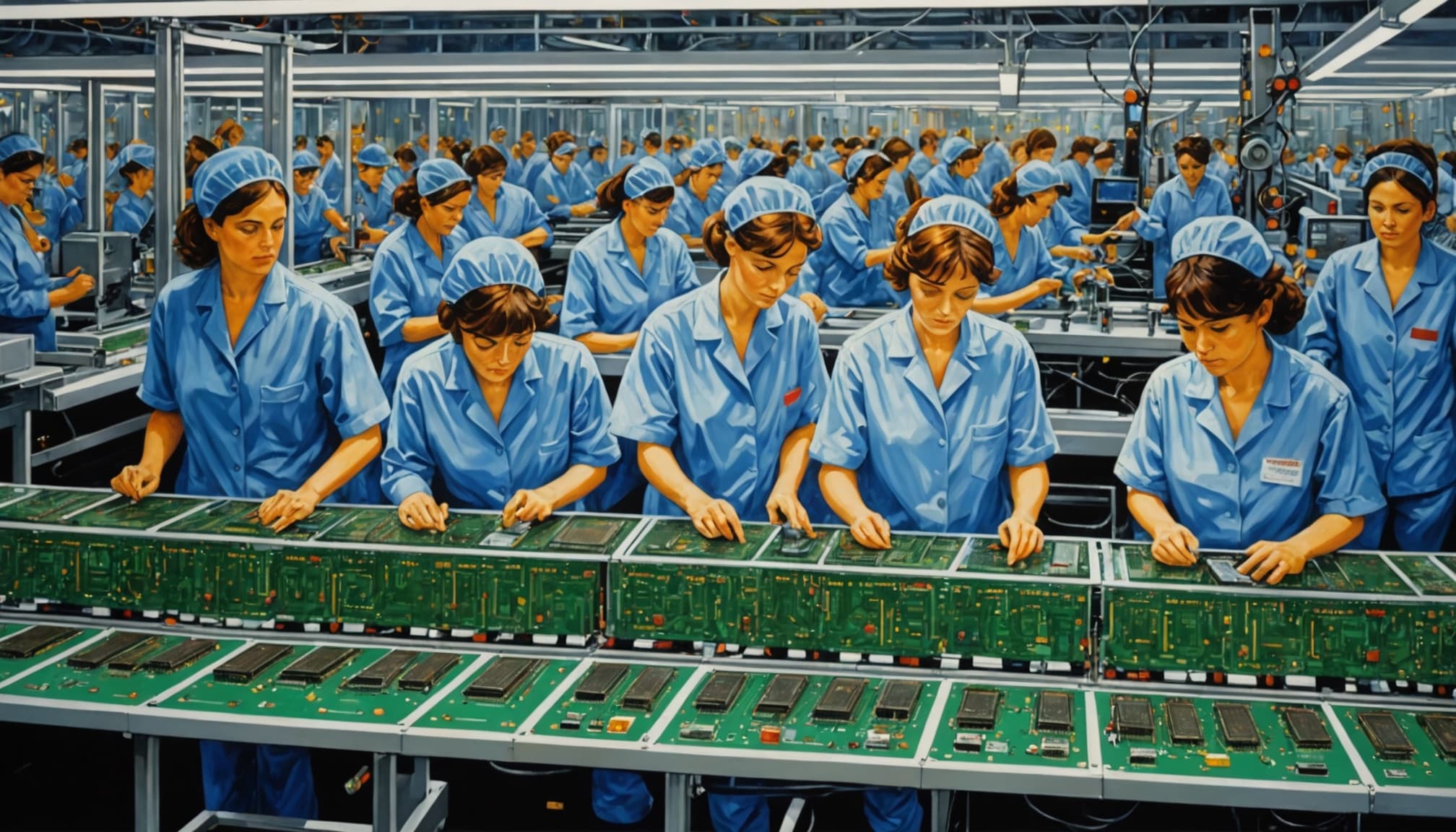
Approximately 45% of young talent recruited in 2026 are women, as reported by HMIL. This statistic underscores the changing talent trends in the automotive sector and reflects the company's commitment to attracting diverse candidates. The recruitment of young professionals includes Management Trainees and Engineer Trainees, indicating a strategic focus on developing future leadership within the organization. Women's participation has been increasing across manufacturing, engineering, research and development, sales, service, corporate functions and leadership roles, according to HMIL. In the financial year 2026, women at the company recorded a 23% promotion or elevation rate, which the company cited as an indicator of internal career progression rather than entry-level hiring alone, demonstrating strong retention and advancement opportunities for female employees. The company has ramped up campus hiring, focused on fair assessments, and launched training programs to help women grow into leadership roles, as reported by HMIL.
HMIL MD & CEO Tarun Garg emphasized the company's commitment to achieving 20% women representation in the executive workforce by 2030, stating that this reflects their focus on expanding opportunities and creating an environment where every individual can realize their full potential. As Garg explains, "Our commitment to achieving 20 per cent women representation in the executive workforce by 2030 reflects our focus on expanding opportunities, strengthening our talent pipeline and creating an environment where every individual can realise their full potential." The company's long-term diversity, equity and inclusion strategy focuses on hiring, career progression, leadership development and retention of women employees. The commitment to achieving 20% women representation by 2030 reflects the company's focus on expanding opportunities, strengthening their talent pipeline and creating an environment where every individual can realize their full potential. As the talent landscape continues to evolve, HMIL is encouraged by the increasing participation of talented women professionals across industries and looks forward to enabling their growth across all areas of their business.
To support the 2030 target, HMIL has outlined comprehensive support programs including TrailblazHER, a leadership initiative aimed at high-potential women professionals focusing on capability building, mentorship, and career acceleration support. The company also operates Women @ Work 2.0, addressing workforce continuity challenges through maternity and parental support, childcare assistance, workplace flexibility, and structured reintegration for employees returning after career breaks. Crèche facilities at manufacturing plants, dedicated wellness and relaxation rooms, and enhanced safety and mobility measures form part of the workplace infrastructure changes implemented by the company. Additionally, HMIL has introduced health and wellness initiatives specifically for women employees, including preventive health programs, cancer screening, stress management support, and women's health awareness drives. The company has adopted gender-balanced recruitment practices, expanded campus outreach and introduced competency-based talent assessment processes to support its diversity goals. As part of the long-term workforce strategy, HMIL has implemented a comprehensive Diversity, Equity and Inclusion (DEI) framework designed to attract, develop and retain talent while supporting career progression and leadership development.
As reported by HMIL, workforce diversity is becoming an increasingly important contributor to innovation, problem-solving and organisational resilience as India's automotive and mobility sectors continue to transform through advanced manufacturing, digitalisation and evolving customer expectations. The company believes that attracting talent from a broad spectrum of backgrounds enhances competitiveness and supports sustainable business growth. Currently, women are already making their mark in everything from engineering and R&D to sales and manufacturing, demonstrating the company's commitment to integrating diverse perspectives across all business functions. The broader context for this announcement is significant, as the Indian automotive sector undergoes substantial change driven by the transition to electric vehicles, advanced manufacturing technologies, digitalisation, and shifting consumer preferences, creating opportunities to draw from a more diverse labour pool across software, data, design, and customer experience disciplines.