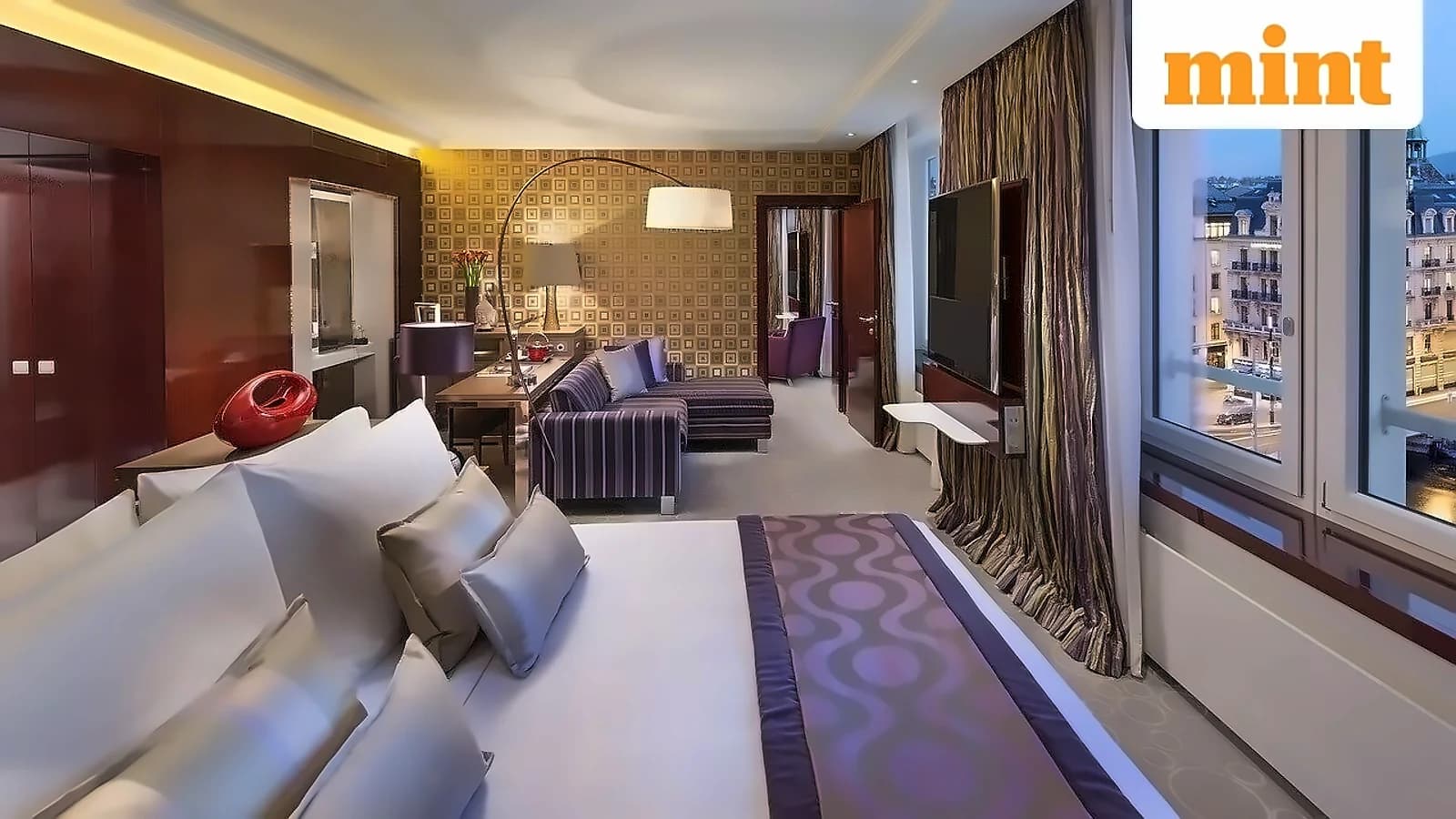
India's hotel industry is undergoing a significant transformation as major chains shift toward upscale offerings to bridge luxury and budget categories. According to reports from Company Business News, leading hotel companies including EIH Ltd, ITC Hotels, and Lemon Tree Hotels are expanding mid to upper-upscale brands to meet rising domestic demands while maintaining portfolios across various price points. This strategic approach allows companies to operate different brands in the same market and enter locations where luxury or midscale propositions may not be viable.
The hospitality sector demonstrated remarkable resilience in Q1FY27 despite geopolitical disruptions, with industry occupancy rising 2-4 percentage points year-on-year and average room rates (ARR) increasing 6-8%, as reported by PhillipCapital. Revenue per available room (RevPAR) grew 11-13%, highlighting the sector's ability to maintain pricing power even during challenging conditions. Among major players, Leela Hotels reported 28% revenue growth and 41% EBITDA growth in Q1FY27, while Indian Hotels saw revenue rise 15% and EBITDA increase 18%. ITC Hotels achieved 8% RevPAR growth, and Lemon Tree's occupancy improved by 314 basis points.
According to Company Business News, upscale properties offer compelling economics for hotel operators. Samhi Hotels CEO Ashish Jakhanwala explained that upscale hotels can command higher room rates than midscale properties while maintaining lower operating costs than luxury hotels. Currently, Samhi Hotels derives 45% of its revenue from upscale properties with the remaining 55% from midscale hotels, with expectations to shift to 60-65% upscale and 40-35% midscale as new properties open.
Regional performance varied significantly across different market segments in Q1FY27. As reported by PhillipCapital, Rajasthan and Goa recorded high-20% growth in RevPAR, while Chalet Hotels' resorts posted 19% RevPAR growth compared with around 5% for its business hotels. Leela Hotels' resorts recorded 24% RevPAR growth against 14% for its city hotels. The recovery is expected to strengthen further in H2FY27, aided by a heavier wedding calendar, improving MICE activity, and seasonal increase in international travel from October. Weddings, MICE activity and international travel are expected to support demand growth in the coming quarters.
Industry data from HVS Anarock reveals the scale of development across hotel segments, with midscale hotels accounting for 42% of hotel keys signed in 2025, while upscale and upper-upscale properties together accounted for another 42%. According to PhillipCapital, the demand outlook remains positive for Q2FY27, with domestic leisure demand staying strong, corporate travel gradually normalising, and international demand recovering as connectivity improves. Limited new hotel supply in key markets could also support room rates and RevPAR as demand improves. The portfolio strategy enables companies to balance different market cycles effectively, with midscale hotels offering lower operating costs during weaker periods while upscale hotels provide greater pricing potential during strong demand periods.