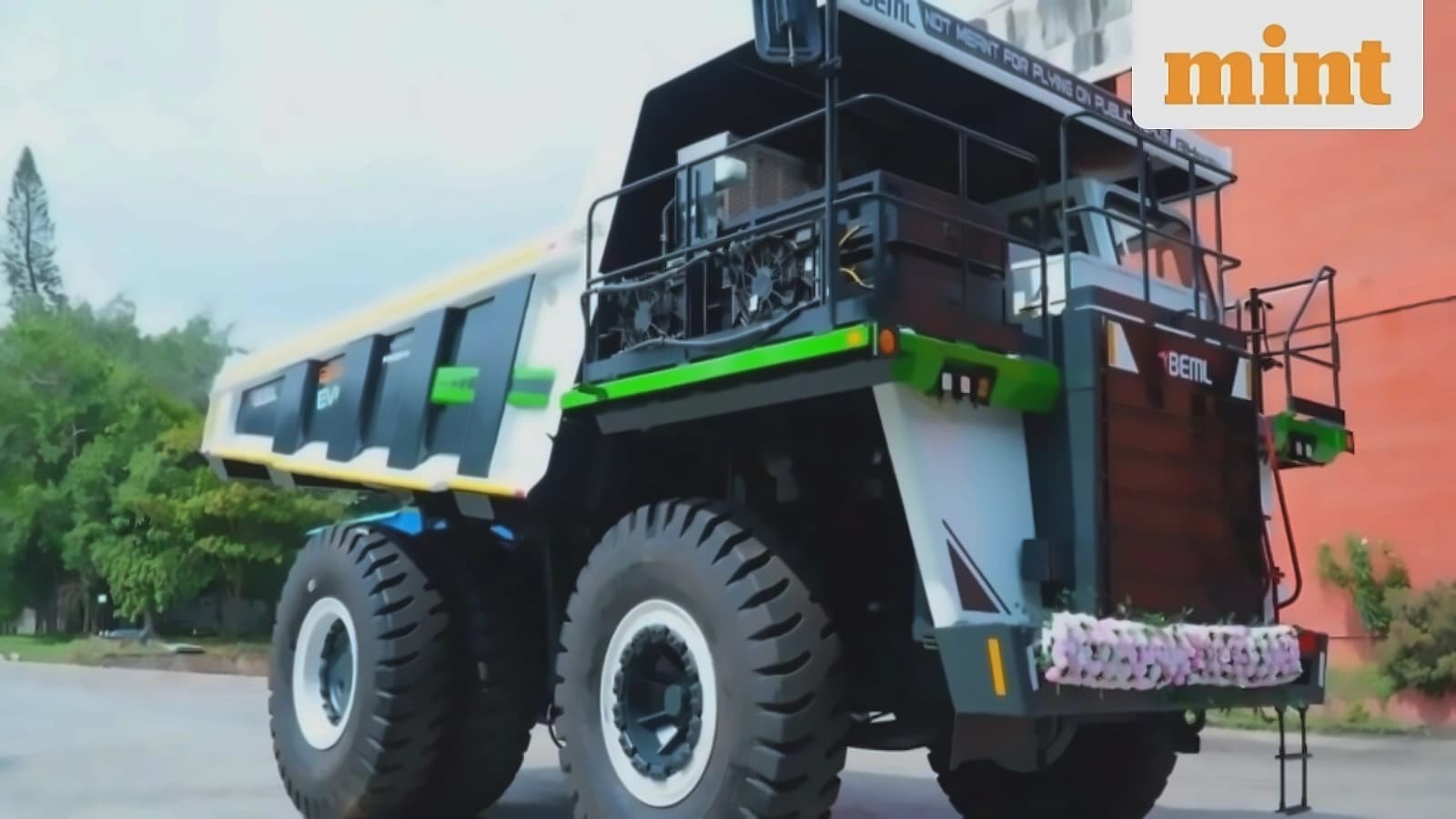
Hindustan Zinc has signed a six-year transportation contract with MFL India for the deployment of 30 electric trucks for concentrate transportation, as reported by Business Standard. The contract is extendable by a further two years, demonstrating the long-term commitment to electrification of the company's mine-to-smelter logistics operations. This initiative accelerates the electrification of Hindustan Zinc's mine-to-smelter logistics network, positioning the company at the forefront of sustainable industrial transportation. The latest transportation deal comes after Hindustan Zinc reported exceptional financial performance in the June quarter, with consolidated net profit surging 145% YoY to ₹5,469 crore and revenue rising 77% YoY to ₹13,747 crore in Q1 FY27. According to Business Upturn, this deal involves the introduction of 30 electric trucks for concentrate transportation, significantly advancing the company's commitment to mine-to-smelter decarbonisation.
Under the contract, electric trucks will be progressively inducted to replace conventional diesel vehicles used for transporting zinc and lead concentrate from Rampura Agucha, the world's largest underground zinc mining operations, to its smelting operations in Rajasthan. According to Business Standard, the transition will take place in phases as the trucks and charging network are brought into operation. The transportation route will be from the Rampura Agucha Mine to smelting operations in Rajasthan, India. Amarendu Prakash, CEO & whole-time director of Hindustan Zinc, emphasized the strategic importance of this initiative, stating that "The future of mining will be defined not only by the metals we produce, but by how responsibly and efficiently we produce and move them." This green move targets a reduction in Scope 3 emissions and aligns with Hindustan Zinc's goal of achieving net-zero carbon emissions by 2050 or earlier.
MFL India will establish and operate dedicated EV charging infrastructure to support the fleet, as reported by Business Standard. This infrastructure development creates the ecosystem required for reliable electric mobility across a critical industrial logistics route, ensuring the sustainability and operational efficiency of the electric vehicle deployment. According to Business Upturn, MFL India Limited, a logistics solutions provider focused on enabling reliable, efficient, and sustainable movement of materials across critical industries, is set to establish and manage dedicated electric vehicle (EV) charging infrastructure, thereby creating a robust ecosystem to support reliable electric logistics. The charging infrastructure will be set up and operated by MFL India to support the gradual replacement of diesel vehicles with electric alternatives, with the company successfully mitigating Scope 3 emissions from high-frequency routes like Rampura Agucha to Rajasthan smelters.
Hindustan Zinc has been significantly expanding its use of electric and alternative-fuel vehicles across its operations. During FY2026, the company added 42 electric vehicles for material transportation, taking its combined electric and LNG fleet to 232 vehicles - including 52 electric vehicles and 180 LNG vehicles, according to an exchange filing reported by CNBC TV18. The company has also deployed battery-electric vehicles for underground mining at its Sindesar Khurd mine in Rajpura Dariba, Rajasthan, and is expanding the use of electric and alternative-fuel vehicles across mining equipment, material transportation and employee mobility. In June 2026, the company deployed India's first 250 MT capacity hybrid electric crane at the Debari Zinc Smelter to reduce diesel consumption by approximately 93,600 litres annually. The current expansion brings the green logistics fleet to 232 vehicles, reinforcing the company's commitment to clean mobility solutions.
The latest transportation deal comes after Hindustan Zinc reported exceptional financial performance in the June quarter. Net profit more than doubled to ₹5,469 crore, up 144% from ₹2,234 crore in the same quarter a year earlier, and exceeded the CNBC-TV18 poll estimate of ₹5,059 crore, as reported by CNBC TV18. Revenue rose 77% to ₹13,747 crore from ₹7,771 crore a year earlier, beating the CNBC-TV18 poll estimate of ₹12,599 crore. The company has set a target of achieving net-zero emissions by 2050 or earlier, with renewable energy accounting for nearly 22% of its power mix. According to Business Upturn, globally recognised for its sustainability initiatives, Hindustan Zinc has increased the share of renewable energy in its power mix to nearly 22% and continues to integrate renewable energy sources, enhance energy efficiency, and innovate low-carbon technologies across its operations. The company maintains a healthy cash surplus of ₹5,572 crore and has announced a ₹5,000 crore capex plan for FY27, providing the financial headroom to sustain its green premiums while retaining its S&P Global CSA leadership in the metals and mining sector. The company's stock shed 0.73% to currently trade at ₹601.55 on the BSE, as reported by Business Standard.