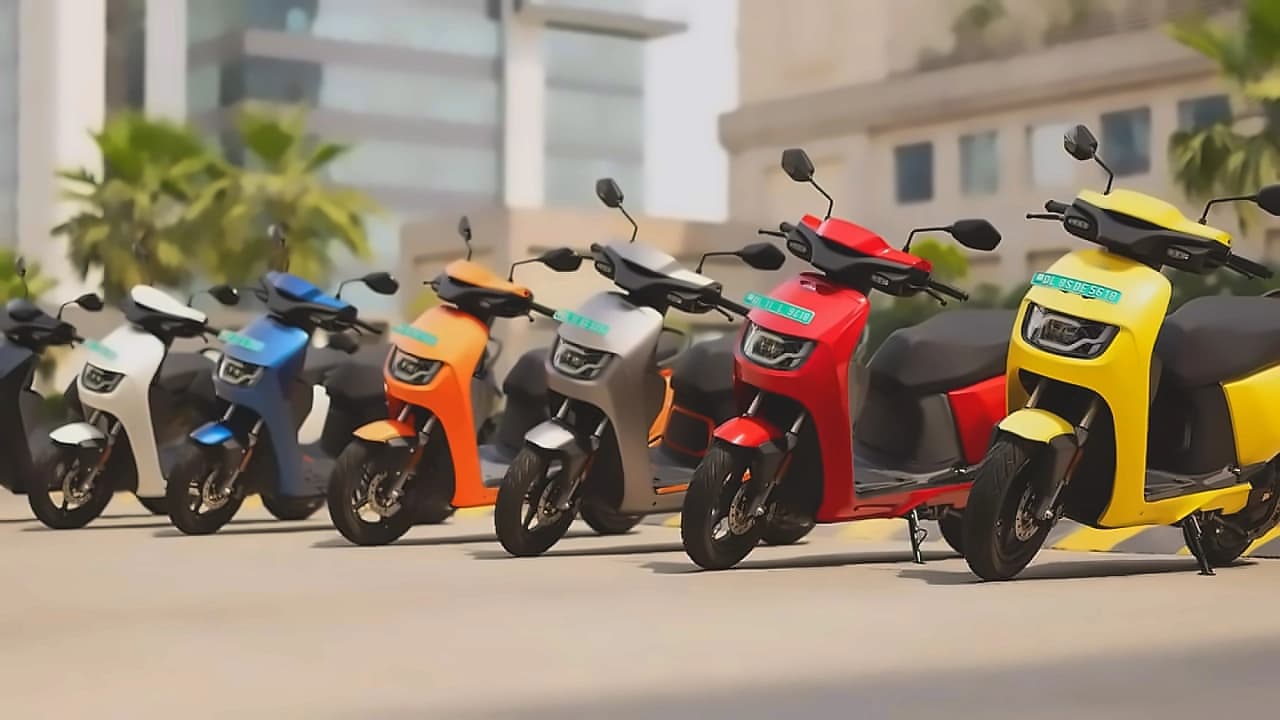
Hero MotoCorp Ltd has become the first two-wheeler manufacturer to flag the government's proposed corporate average fuel efficiency (CAFE) norms for motorcycles and scooters as an 'emerging risk' to business in its FY26 annual report. According to reports from Mint, the company warns that tougher fuel-efficiency rules could raise costs in India's highly price-sensitive market, with the government preparing to roll out fleet-wide fuel-efficiency targets for India's two-wheeler market from April 2028. The country's largest two-wheeler maker plans to mitigate the impact by increasing use of lightweight components, improving vehicle efficiency and expanding its electric vehicle portfolio.
The warning comes as Hero MotoCorp faces significant challenges in the electric vehicle segment, with only a 3% share in its total sales compared to 12% for Bajaj Auto and 8% for TVS Motor as per the Federation of Automobile Dealers Association (FADA). As reported by Mint, shares of Hero MotoCorp have fallen 16% in 2026 so far, against rival TVS's decline of 4% and Bajaj Auto's gain of 6%, while the Nifty Auto index has fallen by 6%. The company's vulnerability is highlighted by the fact that 5.4 million of its total 6 million sales in FY26 came from the entry-level motorcycle range of 75cc to 125cc engine capacity.
According to Motilal Oswal analysts cited by Mint, the Vida VX2 electric scooter has been well-received with its removable battery feature, achieving 11.1% market share by Q4FY26 from just 4% in Q4FY25. The VIDA has achieved over 20% market share in 28 towns and over 10% share in 79 towns, while ranking among the top two EV players in 37 towns. CEO Harshavardhan Chitale noted in his first annual letter that the company remains focused on strengthening core business, accelerating growth in premium and electric mobility, and expanding global footprint. The company is engaging with policymakers through the Society of Indian Automobile Manufacturers (SIAM) to advocate for realistic and technically feasible targets specifically for the two-wheeler segment.
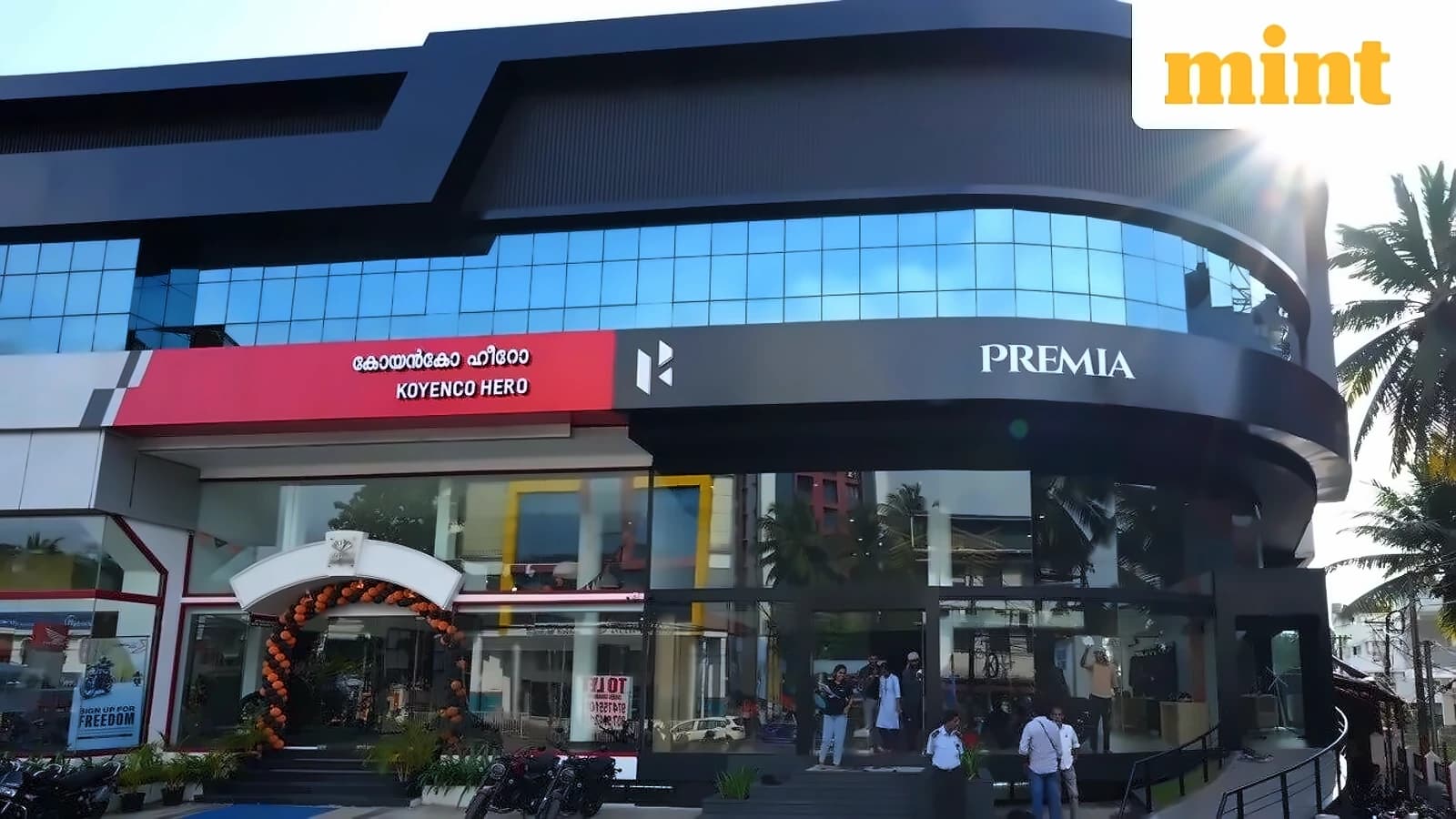
As reported by Mint, CAFE norms impose fleet-wise emission targets calculated according to average fuel consumption and CO2 emissions from vehicles. While the norms have been in place for four-wheeler passenger vehicles since 2017, two-wheelers were not subject to regulatory oversight on pollution until now. The Bureau of Energy Efficiency (BEE) is holding discussions with manufacturers and lobby groups on an accommodative methodology to measure emissions across powertrains, with proposed norms covering all engine categories and linking electric vehicles to carbon emissions. The company highlighted that abrupt implementation could leave two-wheeler OEMs unprepared, forcing rushed redesigns and incurring higher compliance costs, while passing costs to consumers in a price-sensitive market threatens profitability and competitiveness.