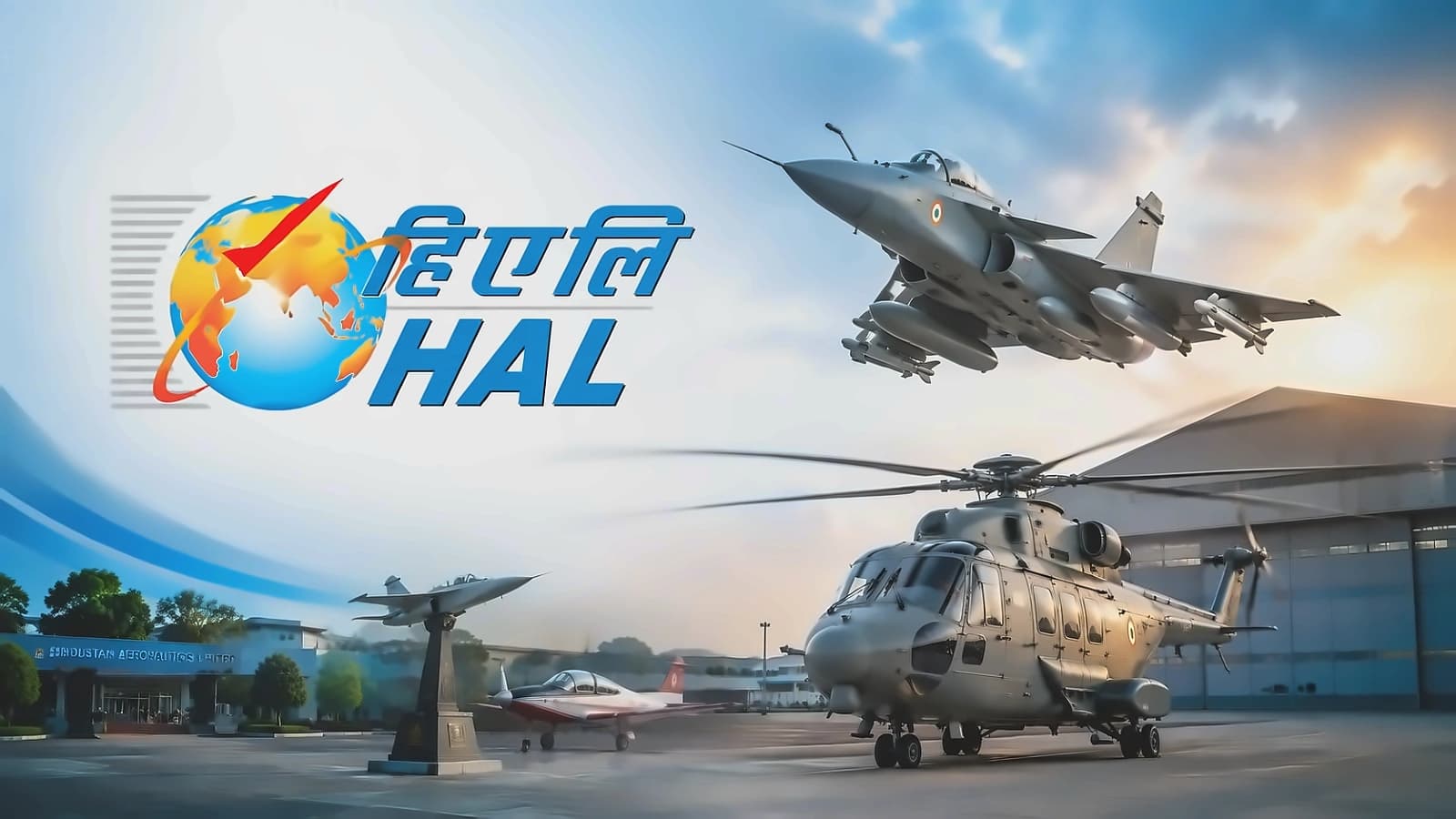
The LCA Tejas Mk1A programme faces significant delays due to engine supply constraints, with only 7 engines received by Hindustan Aeronautics while maintaining close to 30 airframes ready for manufacturing completion. As reported by multiple sources, General Electric has cited disruption in supply of components from sub-contractors for the delays, with promises to supply 20 more engines by the end of the current year as part of the contracted 97 engines. The inordinate delays in GE F-404 IN engine arrival from the US have been the biggest bottleneck for the programme, despite HAL's commissioning of its third assembly line at Nasik to increase capacity to 24 aircraft per annum.
The Defence Acquisition Council has cleared $11.5 billion worth of capital acquisition proposals, including 138 Advanced Light Helicopters from Hindustan Aeronautics. According to reports from The Financial Express, this approval brings significant focus on the private-sector manufacturing network around the LCA Tejas Mk1A, with listed companies taking on specialized aerospace manufacturing work that was traditionally concentrated within the state-owned aircraft maker.
The Ministry of Defence announced that Hindustan Aeronautics has built a national aerospace ecosystem by supporting private partners with jigs, fixtures, tools and technical know-how. As reported by The Financial Express, the government specifically named Larsen & Toubro and Lakshmi Machine Works among companies producing complex sub-assemblies, including wings and air intakes. HAL's LCA Tejas Division has received structural modules of air-intake assemblies, rear fuselage assemblies, loom assemblies, and fin and rudder assemblies in the Mk1A configuration.
According to The Financial Express analysis, the three companies are entering the HAL ecosystem through different parts of the aerospace manufacturing chain. Larsen & Toubro handles wing assemblies through its Precision Engineering and Systems business, while Lakshmi Machine Works supplies air-intake assemblies through its Advanced Technology Centre. Dynamatic Technologies has established HAL as an aerospace customer, delivering complex aerostructures, tooling and precision parts, with aerospace accounting for 48% of Q1 FY27 revenue.
As reported by The Financial Express, analysts indicate the private-sector ecosystem could expand further as India's fighter aircraft programs move from Tejas Mk1A towards Tejas Mk2 and the Advanced Medium Combat Aircraft (AMCA). Harshit Kapadia from Mirae Asset Sharekhan noted that the shift represents a broader change in HAL's manufacturing model, with the Tejas Mk1 program evolving from a HAL-centric model to an ecosystem model where private companies increasingly become tier-1 and tier-2 partners over the next 3-5 years.
According to The Financial Express, analysts estimate that if at least 30-40% of the work is outsourced to private players, it could indicate a total addressable market of ₹30,000-40,000 crore. Ankit Soni from Mirae Asset Sharekhan highlighted that imagining delivery of 24-30 aircraft per year to the IAF would represent 6-7 years of order visibility for private players. The increasing role of private suppliers could create significant order visibility if Tejas production scales up, with current indigenous content at 60-65% targeting a higher indigenous content in newer batches.