Maruti Suzuki India has significantly increased its capital expenditure commitment, with Managing Director and CEO Hisashi Takeuchi announcing a ₹77,500 crore capex plan for five years till FY31 during the company's annual general meeting. As reported by NDTV Profit, this represents a substantial increase from the previous commitment of ₹70,000 crore over five to six years announced by Suzuki Motor Corporation's Representative Director Toshihiro Suzuki. The enhanced investment will focus on capacity expansion, new model development, R&D activities, plant measures, marketing and sales infrastructure, carbon neutral measures, and logistics. Takeuchi emphasized that "capex is planned for capacity expansion, new model development, R&D activities, plant measures, marketing and sales infrastructure, carbon neutral measures, and logistics, and so on."
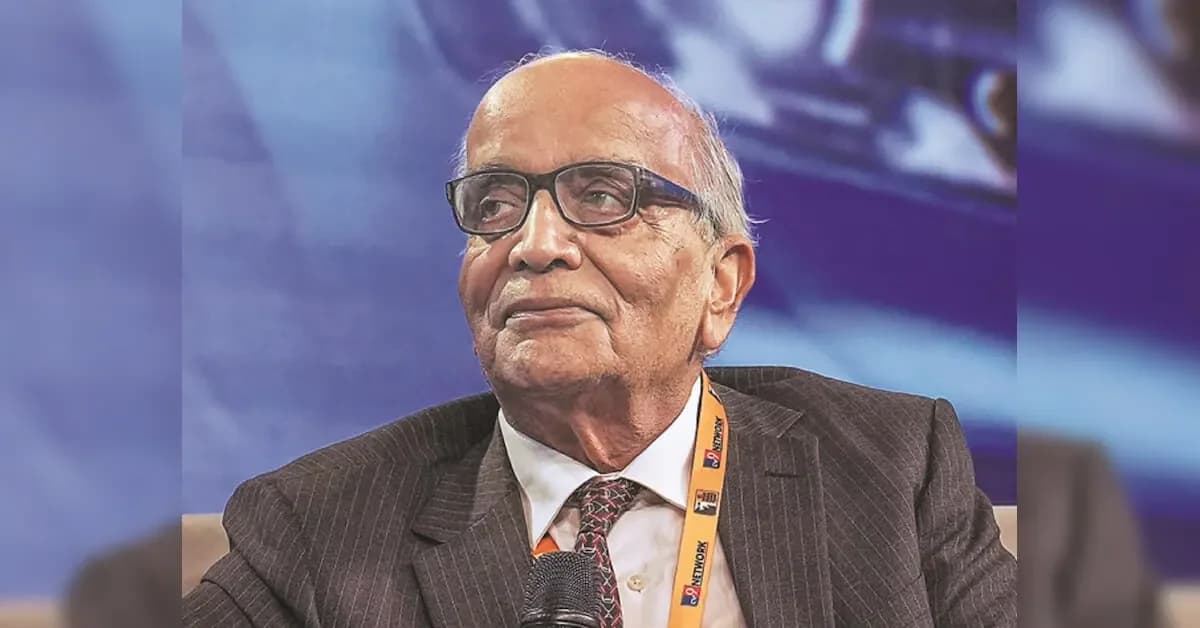
Maruti Suzuki's Managing Director and CEO Hisashi Takeuchi highlighted that rising car costs have been impacting first-time buyers, emphasizing the importance of affordability in driving demand. Speaking to NDTV Profit, Takeuchi noted that "recent GST reforms demonstrated the power of affordability" and that demand for small cars has shown good growth in the first four months of FY27, with entry-level car sales growing 100% during the period.
The comments come as the auto industry looks to revive demand among price-sensitive buyers, particularly in the entry-level segment, where affordability remains a key consideration. Takeuchi's focus on affordability underscores the company's strategy to maintain market share among first-time buyers despite rising input costs.
Maruti Suzuki shares were trading 0.23% higher at ₹12,871 on the National Stock Exchange at around 1:32 pm, outperforming the broader market where BSE Sensex was trading flat at 76,600 levels. As reported by NDTV Profit, the stock has shown recent resilience after declining 19% year-to-date, with the shares settling at ₹13,547 apiece on the National Stock Exchange on Monday, gaining 1.28%. The stock had hit a 52-week high of ₹17,370 on January 5, 2026, and a 52-week low of ₹12,201 on March 30, 2026. Foreign institutional investors (FIIs) have steadily reduced their holding in Maruti Suzuki over the past two years, with overall FII shareholding falling by 6.16 percentage points from 18.98% in Q1 FY25 to 12.82% in Q1 FY27.
The company has outlined an ambitious production capacity roadmap, with Takeuchi announcing a 40% jump in capex expenditure for FY26-27, increasing from ₹10,000 crore last year to ₹14,000 crore this year. As reported by NDTV Profit, the company's installed capacity would reach 2.9 million units at the end of 2026-27, and 3.65 million units at the end of 2030-31. The expansion includes commissioned two lines at its Kharkhoda plant in Haryana, and work is progressing on the third line. Additionally, a fourth line of 2.5 lakh units capacity was commissioned in Hansalpur in Gujarat, raising total capacity to 1 million. This is Suzuki's largest plant anywhere in the world. Work has also started at the new site at Sanand in Gujarat, with proposed investment of about ₹35,000 crore intended to install a total capacity of 1 million units. The company plans to scale this total capacity up to 4 million units through further multi-phase expansions.
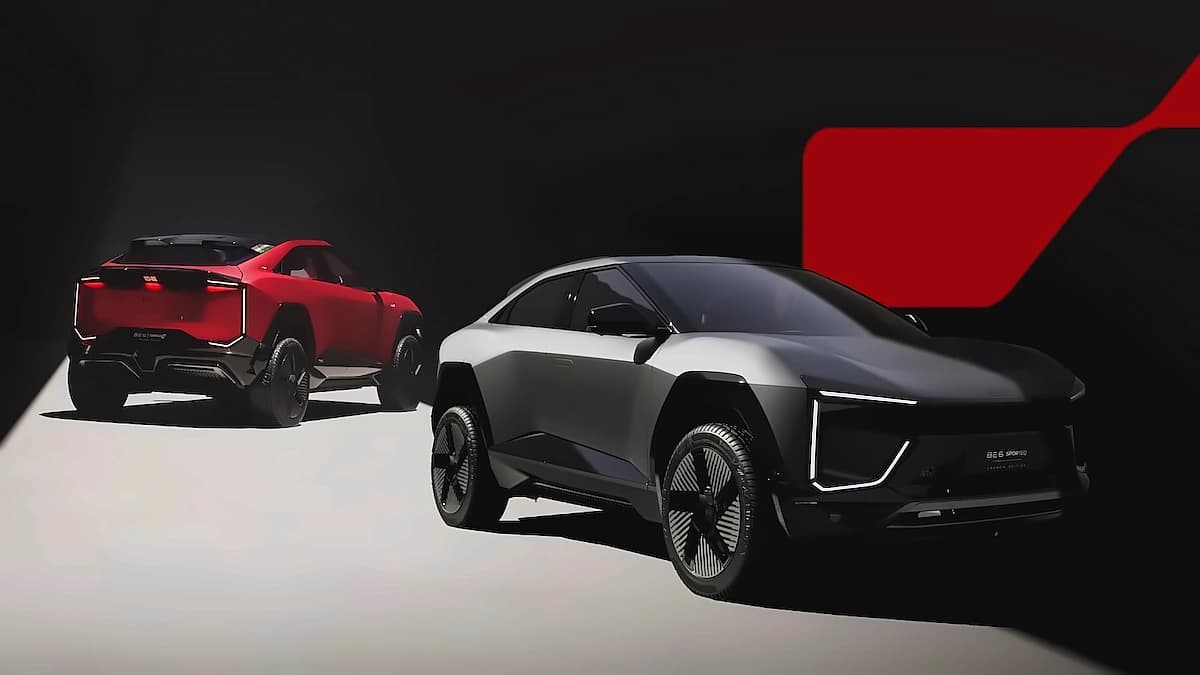
The planned capex will support Maruti's expansion in the sport utility vehicle segment, with the company introducing seven new SUVs over the next five years as it looks to strengthen its position in a segment where it has been losing share to rivals. According to NDTV Profit, Takeuchi emphasized that "In our new plants, we can make EVs, hybrid vehicles, CNG and ICE vehicles on the same line. ICE vehicles will also continue to remain a significant part of our business, with the expected increase in usage of compressed biogas, which is called CBG." This flexibility is designed to allow Maruti to respond to changes in customer demand without having to build separate manufacturing lines for each powertrain technology. The company will retain flexibility in its manufacturing operations as the mix between electric vehicles, hybrids, compressed natural gas, and petrol and diesel vehicles changes.
Maruti Suzuki has achieved significant milestones in green mobility, with CNG, electric and flex-fuel vehicles now accounting for 32% of the company's overall sales, meaning one in every three cars sold by the company is a greener vehicle. Beyond the domestic market, Suzuki has made India a global manufacturing hub for the e Vitara, with more than 46,000 units exported from India, as highlighted by Takeuchi to NDTV Profit. The company is also working on setting up more biogas plants in India, as it looks to expand its portfolio of alternative and cleaner-fuel technologies. On sustainability front, Takeuchi outlined comprehensive carbon neutral manufacturing plans, including increasing in-house solar capacity from 79.1 megawatt in FY25-26 to 211.3 megawatt by 2030-31, which will cover almost 35% of total electricity requirements.
Maruti Suzuki India reported a standalone net profit of ₹3,352 crore in Q1 FY27, registering an 11% decline from ₹3,758 crore during the same period last year. As reported by NDTV Profit, the fall was primarily driven by higher material costs during the quarter, which further intensified due to the impact of the war. The company's total revenue from operations jumped 36% year-on-year to ₹52,456 crore in Q1 FY27 from ₹38,593 crore in the year-ago period. Operating profit (EBITDA) slipped 7% YoY to ₹4,312 crore compared to ₹4,621 crore in the corresponding period of the previous financial year, with operating profit margin contracting to 8.22% in the reporting quarter from 11.97% in the year-ago period. Material costs surged 46% to ₹32,000 crore, significantly impacting operating performance. According to NSE data, as of August 31, 2026, Maruti Suzuki India has a total market capitalisation of ₹4.26 lakh crore.