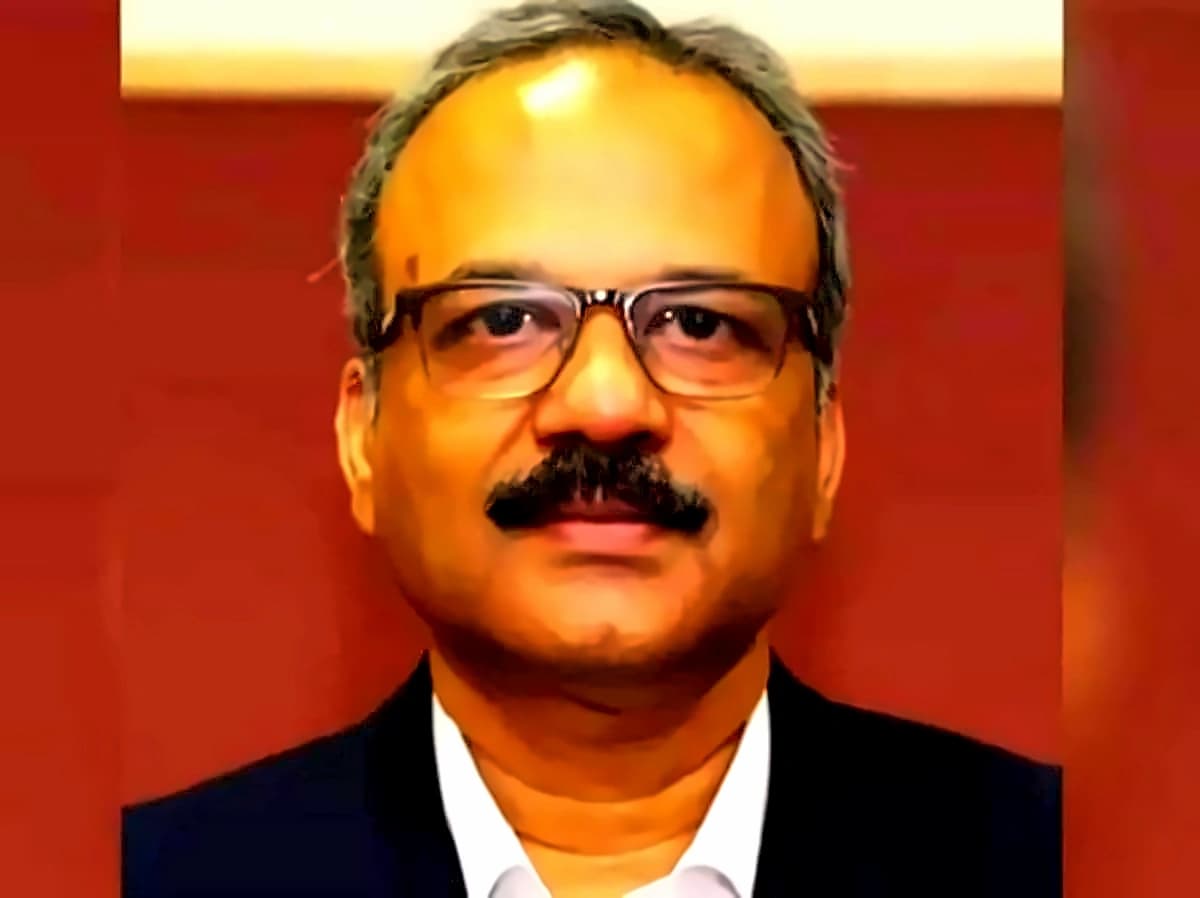
The Central Drugs Standard Control Organisation (CDSCO) is piloting AI across its regulatory processes to create a faster, more agile, and data-driven regulatory system, as announced by DCGI Dr Rajeev Singh Raghuvanshi at the inaugural Global Drug Regulatory Conclave (GDRC) 2026 held on July 30 in Delhi. Speaking at the event, Dr Raghuvanshi also announced that CDSCO will roll out the first phase of an end-to-end digital drug regulatory platform within the next 18 months as part of efforts to modernise India's pharmaceutical regulatory ecosystem. He said that more than 99 percent of CDSCO's regulatory processes have already been digitised, improving transparency and approval timelines. The digital transformation includes Good Manufacturing Practice (GMP) and Certificate of Pharmaceutical Product (COPP) certificates carrying QR code-based digital authentication, enabling overseas regulators to instantly verify their authenticity while reducing verification timelines.
The Union ministry of health and family welfare has re-invited applications for the post of Drugs Controller General (India) on deputation, including short term contract (ISTC), following the withdrawal of an earlier invitation in October 2025. According to the latest advertisement published on August 1, 2026, eligible candidates can apply for the Group A, level 14 (₹1,44,200-2,18,200) position in the pay matrix, with cadre authorities directed to forward applications within 60 days from publication. The ministry had initially invited applications in August 2024 but later withdrew the invitation due to administrative reasons before re-opening the process.
The government has significantly revised the recruitment rules for the DCGI position in April 2026, with the new rules dated April 20, 2026 published in the Gazette of India coming into force and suppressing the Central Drugs Standard Control Organisation [Drugs Controller (India)] Recruitment Rules, 2011. According to the amended rules, candidates must hold a master's degree in fields such as bio-medical engineering, chemical engineering, bio-technology, mechanical engineering, electrical engineering, electronics engineering, instrumentation engineering, polymer engineering, computer science engineering, medical electronics engineering, pharmacy, pharmaceutical engineering, pharmaceutical sciences, bio-chemistry, chemistry, life sciences, or medicine with specialisation in clinical pharmacology or microbiology from a recognised university or institute. Additionally, applicants need at least 15 years of practical experience in drug manufacturing, safety testing, clinical trial regulation, or medical device oversight, alongside proven expertise in enforcing national drug laws.

The broadened criteria have sparked sharp reactions from industry stakeholders. According to Mint, the All India Drugs Control Officers' Confederation (AIDCOC), representing over 3,000 regulatory officers nationwide, submitted a formal representation to the Union health ministry in April, opposing the updated recruitment rules. The confederation argued that expanding essential qualifications to non-pharmacy engineering streams violates Rules 49A and 50A of the Drugs and Cosmetics Rules, 1945, which strictly mandate background in pharmacy, pharmaceutical chemistry, clinical pharmacology, or microbiology for licensing and controlling authorities.
Raghuvanshi, an IIT-BHU alumnus with a PhD from the Delhi-based National Institute of Immunology, previously led the Indian Pharmacopoeia Commission and has held senior roles at Dr Reddy's Laboratories and the erstwhile Ranbaxy Laboratories. He reached the superannuation age of 60 in February 2025, but received a second extension in February 2026, keeping him in office until March 2027 or until a successor is appointed. The Central government approved his reappointment as Drugs Controller (India) on a contract period for one more year from March 1, 2026, with the extension coming at a juncture where the CDSCO is spearheading strict implementation of revised Schedule M across the pharma industry. The reappointment was approved by keeping the recruitment rules for the post in abeyance, with the Central government defending the decision stating there was no other suitable successor for the post and that the post cannot be kept vacant owing to its importance.
CDSCO has implemented comprehensive regulatory reforms to accelerate innovation while maintaining safety standards. According to Dr Raghuvanshi, around 25-30 percent of clinical trials are currently being considered for waiver for eligible innovative products, enabling faster patient access to innovative therapies. The organisation has streamlined its export regulatory framework through a fully digitised export No Objection Certificate (NOC) system and introduced globally aligned regulatory reliance mechanisms. MedTech Mitra has supported more than 800 startups in navigating regulatory pathways, with similar facilitation mechanisms planned for biologics and other emerging technologies. Union Minister for Health and Family Welfare J.P. Nadda emphasised that India is building a future-ready drug regulatory framework to accelerate healthcare innovation while maintaining the highest standards of patient safety, quality, and efficacy, with digital regulatory platforms, risk-based oversight, and enhanced surveillance creating a modern regulatory ecosystem that inspires greater global confidence.