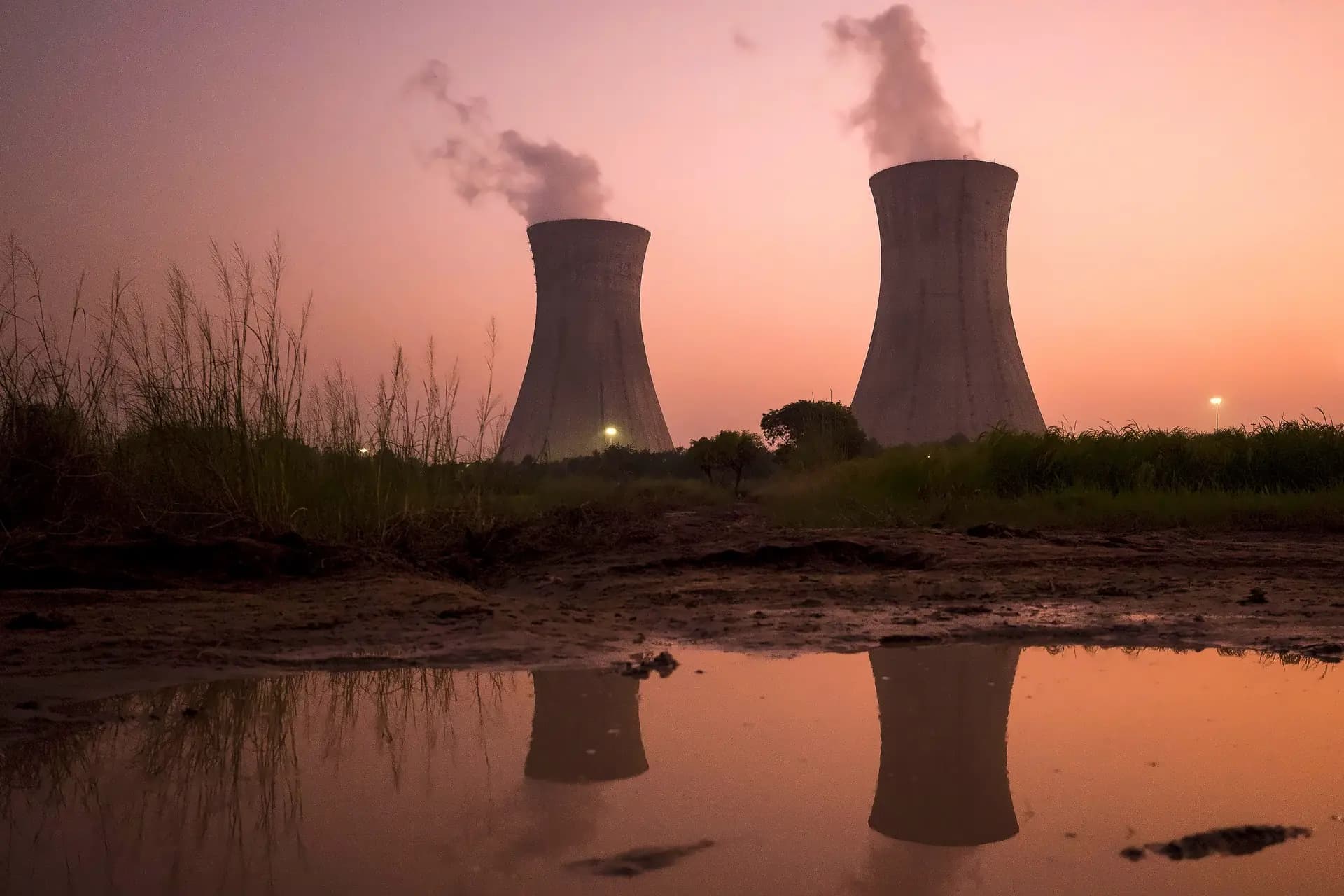
The Centre has extended the special operating framework for Tata Power's Mundra thermal power plant till September 30, 2026, ensuring continued electricity supply amid rising demand. According to reports from Business Standard, the government invoked Section 11 of the Electricity Act, 2003, which allows authorities to direct generating companies to operate and maintain stations in extraordinary circumstances to ensure adequate electricity supply. The validity of the directions, which was earlier applicable until June 30, 2026, has been extended and will now remain in force until September 30, 2026. The extension comes as the government continues to rely on imported coal-based generation to ensure adequate electricity availability and grid stability amid rising power demand. As per Tata Power's regulatory filing, the company has received a letter from the Ministry of Power regarding the extension of validity of Section 11 directions for its Mundra Thermal Plant.
The latest extension comes as weak monsoon rains and El Niño weather effects are expected to boost electricity demand for cooling and farm irrigation during the July-September quarter. According to Elara Capital India Pvt Ltd, power demand during the July-September quarter is likely to grow by up to 8% compared to the past year if rains remain deficient. This projection factors in the low base effect from subdued demand in a mild summer last year. The peak electricity demand this year reached a series of new records, settling at a maximum of 270.8 gigawatts in May, driven by heat waves across most parts of the country. The government had instructed imported coal-based power stations to operate at maximum capacity through the April-June period amid surging electricity demand during peak summer months, with the latest extension providing operational continuity through the critical monsoon season.
The 4,150-MW Mundra plant, operated by Tata Power subsidiary Coastal Gujarat Power Ltd (CGPL), supplies electricity to Gujarat, Maharashtra, Rajasthan, Haryana and Punjab. The Mundra Ultra Mega Power Project (UMPP) is a thermal power plant with five 800 MW units providing electricity to these states. In March this year, the plant in Kutch, Gujarat, was mandated to run at 100 per cent capacity from April to June to prevent electricity shortages as India's peak power demand is expected to reach 270 GW. The Mundra plant began operations on April 1, 2026, after a gap of almost nine months, as the company had suspended operations at all units of Mundra plant on July 2, 2025 and suffered losses due to temporary closure of the plant. The plant has historically faced pressure on viability due to volatility in international coal prices, given that it runs on imported coal while supplying power under long-term tariff structures discovered through competitive bidding.

To address operational challenges and enable continued operations, CGPL has entered into supplementary power purchase agreements (PPAs) with procurers, including Gujarat Urja Vikas Nigam Ltd (GUVNL). These agreements provide an updated framework for procuring power from the Mundra station and are aimed at aligning tariffs with higher imported fuel costs, thereby supporting plant operations. The government's directions have been issued under Section 11 of the Electricity Act, 2003, which empowers it to require generating companies to operate and supply electricity in extraordinary circumstances and in the larger public interest. For imported coal-based plants, the framework also provides a mechanism for determining benchmark tariffs intended to cover fuel, transportation and operating costs, helping ensure continued availability of generation capacity. CGPL supplies about half of the power generated from the Mundra plant to Gujarat only, as reported by Tata Power's regulatory filing, highlighting the plant's strategic importance to the state's power supply infrastructure.
The Mundra ultra mega power project is among India's most strategically important thermal assets and plays a key role in supporting power supply across western and northern states. The latest extension underscores the government's continued dependence on conventional thermal generation to maintain energy security and grid reliability, even as renewable energy capacity expands rapidly across the country. The extension provides greater operational visibility for Tata Power's thermal portfolio and may help maintain supply reliability for stakeholders dependent on power generated from the Mundra project. This regulatory continuity ensures that the facility remains available to meet rising electricity demand during the peak season, with the latest extension continuing those directions through the September quarter. This extension is a strategic positive for Tata Power as it provides a shield against the 'stranded asset' risk often associated with imported coal-based plants in a volatile commodity market, allowing the company to mitigate fuel price volatility through regulated tariff adjustments.