The Directorate General of Civil Aviation (DGCA) is conducting operational and financial scrutiny of SpiceJet to ensure passengers do not face inconvenience, according to Civil Aviation Minister K Ram Mohan Naidu. Speaking on the sidelines of signing pacts with states for the next phase of the Udaan scheme, Naidu told PTI that the ministry is continuously engaging with the airline, noting that "there are certain limits with which government also can operate with them." The government has already provided financial support to the airline, with ₹150 crore already disbursed to SpiceJet under the Emergency Credit Line Guarantee Scheme (ECLGS). However, the minister emphasized that the airline will need to work with banks to address its financial position, stating that "these airlines need to work out with the banks" regarding their financial issues. The minister noted that while the government is engaging with SpiceJet to facilitate resolution, it has limited scope to intervene because SpiceJet is a private carrier. "Our major priority right now is to ensure the passengers shouldn't face any inconvenience, the safety shouldn't be compromised at any cost in terms of operations, and then smooth operations are sustained within the airline," Naidu said.
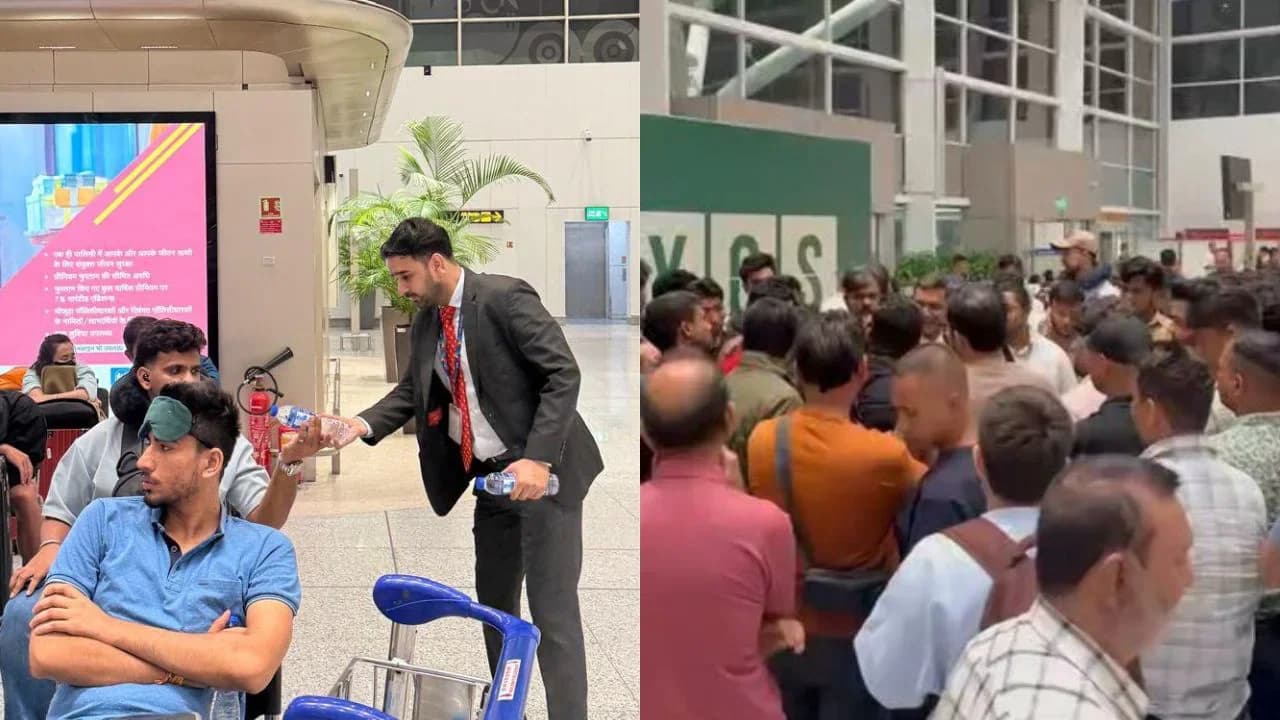
SpiceJet's market position has continued to weaken significantly, with domestic market share dropping to 1.6% in July from 1.9% in June, according to the latest official data. The airline carried 1.40 lakh passengers during August, significantly below its historical performance. The airline's domestic share has been declining since February, when it stood at 3.9%. According to PTI sources, the airline is facing significant financial issues, with salaries not being paid to many employees since May. The company's operational challenges have resulted in frequent flight delays and cancellations, prompting the DGCA to conduct the scrutiny to prevent any safety lapses. "The immediate activity in the ministry regarding SpiceJet is that we have operational and, to a certain extent, financial scrutiny also being done from the ministry through the DGCA because we don't want any lapse in safety," Naidu stated. The minister made it clear that the civil aviation ministry has limitations in intervening in the affairs of a privately run business.
India's domestic air passenger traffic declined 6.34% year-on-year to 121.26 lakh in August, according to DGCA data released on Wednesday. All Indian airlines together carried a total of 12.947 million passengers in August 2025. During the month, IndiGo's market share dropped sequentially by 2.4% to 65% from 67.4% in July, while Air India Group's market share climbed to 26.7% in August, gaining 2.7% over July 2026. Akasa Air's market share remained unchanged at 5.5% during the month under review. In terms of On Time Performance (OTP) at the 10 major airports in August 2026, IndiGo topped the list at 91.5%, followed by Akasa Air and Air India Group at 90.5% and 83.9% respectively. The overall cancellation rate of scheduled domestic airlines stood at 1.39% in the previous month.
SpiceJet is exploring funding under the Emergency Credit Line Guarantee Scheme (ECLGS) 5.0, which the government recently expanded to support airlines facing industry-wide challenges. The government approved ECLGS 5.0 earlier this month, earmarking ₹5,000 crore in targeted credit support for the aviation sector. The scheme aims to help airlines manage financial pressures arising from disruptions linked to the West Asia conflict and broader industry headwinds. According to the government, the aviation sector has been affected by a combination of factors, including higher Aviation Turbine Fuel (ATF) prices, airspace restrictions and reduced international flight operations triggered by geopolitical tensions in West Asia. The airline's senior officials are actively deliberating fundraising strategies while awaiting ₹350 crore from the Emergency Credit Line Guarantee Scheme (ECLGS) 5.0, with select aspects of the airline's operations expected to improve from this funding.
SpiceJet has finalized lease agreements with three aircraft operators for the induction of 20 planes, comprising 15 Boeing and 5 Airbus aircraft to be taken under damp and wet lease agreements to expand operations during the winter schedule. According to PTI, the fleet expansion includes 15 Boeing and 5 Airbus aircraft, which will be inducted under damp and wet lease agreements to support operations during the upcoming winter schedule. Following these developments, SpiceJet shares closed at ₹9.20 apiece on the BSE, down 2.85% from the previous close. The company is currently facing significant operational challenges, with several flights cancelled and delayed over recent months. SpiceJet, which was one of India's second-largest domestic carrier by market share in 2019, has struggled to deal with thinning market share, rising fuel costs, and intense competition.