HAL shares surged 3% on Friday, September 4, trading at ₹4,880.6 following GE Aerospace's delivery of three F404-IN20 engines to HAL in August 2026. The positive market reaction reflects improved engine supply momentum, which has been a key bottleneck for the Tejas Mk1A programme. According to CNBC TV18, the stock has gained 5% over the last month and extended year-to-date gains to 11%, with the latest deliveries marking an improvement in the pace of engine supplies. The positive sentiment follows Goldman Sachs' continued bullish stance, maintaining a 'Buy' rating with a target price of ₹5,870 per share, implying a 23% upside from Thursday's close.
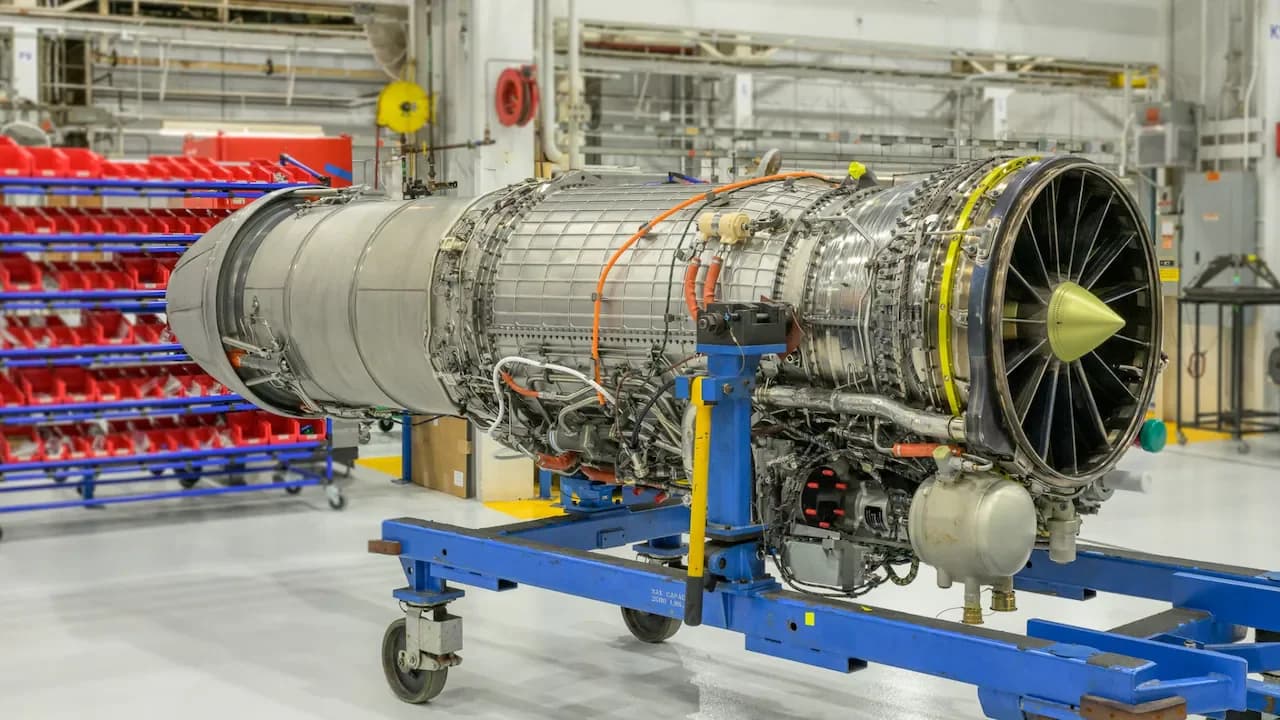
GE Aerospace has delivered three F404-IN20 engines to Hindustan Aeronautics Limited (HAL) for India's Light Combat Aircraft Tejas programme, taking cumulative Tejas Mk1A engine deliveries to 10 from seven earlier. At the end of FY26, HAL had received six engines from GE Aerospace, with the company indicating that aircraft testing was underway and expecting engine supplies to stabilise by August-September, allowing aircraft deliveries to begin around the same period. In April 2026, HAL had said it expected to receive 20 engines between June and December 2026, with the estimate being described as conservative. The F404-IN20 engine is a tailored design for India's single-engine fighter, featuring the highest thrust within the F404 family, a higher-flow fan, unique single-crystal turbine blades and several special components.
According to Goldman Sachs channel checks, 30 Tejas Mk1A airframes have already been assembled, indicating significant progress in the production line. The latest shipment comes as engine availability remains a key issue for the Tejas Mk1A programme, with HAL maintaining that its production line is ready but the pace depends on timely engine supply. HAL has imposed contractual penalties on GE for delays in engine deliveries as provided under the contract, with HAL officials confirming that the contract includes provisions for liquidated damages if there are delays in F-404 engine deliveries. The availability of these engines has been a major factor behind delays in the production and delivery of LCA Mk1A aircraft, with timely engine supplies expected to support HAL's delivery ramp-up and reduce execution risk.
HAL is targeting the delivery of 20 Tejas Mk1A aircraft in FY27, having initially targeted 12 aircraft for FY26 but subsequently cutting the target to 5-6 aircraft. As per CNBC TV18, no Tejas Mk1A aircraft had been delivered as of the latest update. The Indian state-run defence major has an order worth around ₹48,000 crore for the Tejas Mk1A programme, with its overall order book standing at around ₹2.5 lakh crore at the end of FY26. The Indian Air Force has ordered 180 LCA Mk1A aircraft from HAL, with the F404-IN20 engine being designed specifically for the Tejas and serving as a critical component for the single engine fighter. GE Aerospace is contracted to supply 99 F404-IN20 engines to HAL under an agreement signed in 2021 for ₹5,375 crore.
HAL shares have gained over 11% year-to-date following the latest engine delivery momentum, with the stock remaining in focus as the company continues to receive engines after prolonged delays caused by supply constraints. The upgraded LCA Mk1A aircraft features advanced radar, electronic warfare and refuelling capabilities, with HAL currently maintaining an annual production capacity of 24 aircraft as it works to meet the IAF's orders. On 3 September 2026, HAL closed at ₹4,765.60, with TTM EPS of ₹139.38 and P/E of approximately 34.14 times. The financial information places HAL's market capitalization at approximately ₹3,18,845 crore, with promoter holding 71.64% and FII holding 9.34% as of June 2026. The improved pace of engine supplies is viewed as positive by analysts, as engine availability had been a key bottleneck for the Tejas Mk1A programme.