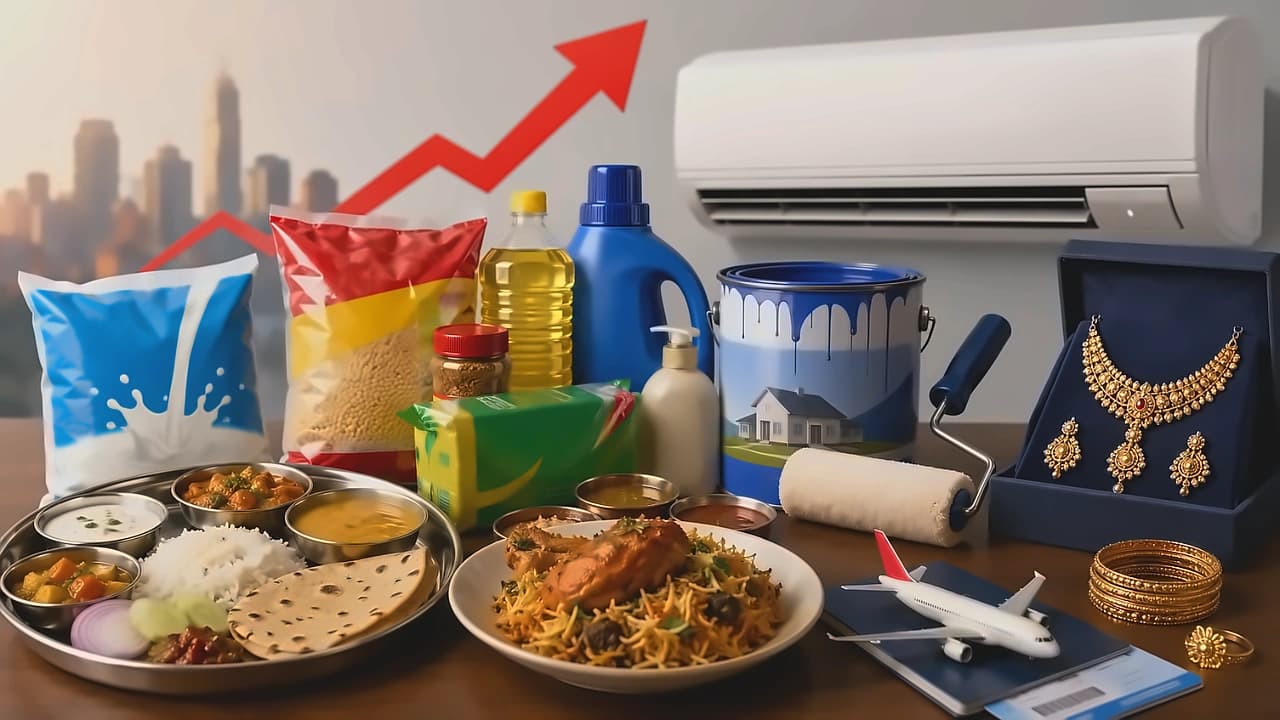
The packaging industry is experiencing unprecedented cost escalation as packaging-grade paper prices have surged from ₹67 per kg to nearly ₹74 per kg in just a month, representing an almost 15% increase. According to industry reports, prices of inks, washes, alcohol-based solutions and alkaline chemicals have jumped by nearly 35%, creating what packaging manufacturers describe as a unique situation where printing chemicals are escalating faster than other inputs. The pressure is particularly acute for firms supplying to FMCG brands, where packaging prices are often locked through contracts, making revisions difficult despite rapidly changing input costs. This has left margins turning razor-thin across the packaging ecosystem.
India's fast-moving consumer goods sector is expected to post slower volume growth in FY27 as war-induced inflation spikes push up crude oil-linked input costs and weighs on consumer demand. According to reports from Mint, analysts at credit rating agency Crisil said the 74 FMCG players they track, representing about one-third of the industry, are expected to post 2-3% volume growth in FY27, down from 5-6% in FY26. Their revenue is seen up 8-10% this fiscal year, mostly because companies are likely to raise prices 6-7% as they partially pass on the increase in input prices to customers.
Crude oil and linked inputs, such as plastic packaging, are getting costlier due to disruptions from the ongoing West Asia war. As reported by Mint, Brent crude prices have surged from the low-$60s a barrel to above $100 for extended periods since the US-Iran war broke out end February, with prices remaining highly volatile amid disruptions around the choked Strait of Hormuz. Large listed FMCG firms such as Hindustan Unilever Ltd, Britannia Industries and Dabur India have started hiking prices of select products across portfolios.
Earlier this year, companies had said volume-led growth, showing rising consumption, would be priority as the industry was seeing demand grow following GST rate cuts on packaged food and other items in September 2025. During October-December, segments tracked by consumer intelligence company NIQ, including food, home care, personal care and wellness, had seen volumes grow 1.9-3.2% year-on-year as companies implemented price cuts after GST rationalization. According to Mint, Hindustan Unilever Ltd reported an underlying volume growth of 6% in Q4 FY26, marking its highest volume expansion in 15 quarters, while Dabur India reported 6% underlying volume growth and Marico achieved 8% volume growth.

The sector's priority now will be to protect its margins as inflation rises and demand suffers. As reported by Mint, India's consumer price index (CPI)-based inflation rate peaked at 3.48% in April, while the wholesale price index (WPI)-based inflation rate saw a sharper surge, hitting a 42-month high of 8.3% during the month. The Crisil report notes that the sector companies face a 150–200 basis points fall in their Ebitda margins this fiscal year from around 19% in FY26, with gross margins of organized FMCG players declining by 300-350 bps. Companies are rethinking their strategy, with Crisil director Aditya Jhaver telling Mint that companies will protect their margins by reducing selling and marketing expenses.
There is worry on the rural demand front as well, with the India Meteorological Department predicting below-normal rainfall and drought-like conditions amid a likely super El-Niño phenomenon that reduces crucial monsoon rains. This would hit farm output and affect consumption, adding to the sector's challenges. The situation has turned FMCG companies' FY27 business plan on its head, with companies now focusing on protecting margins through calibrated price hikes and shrinkflation rather than their previous volume-led growth strategy.