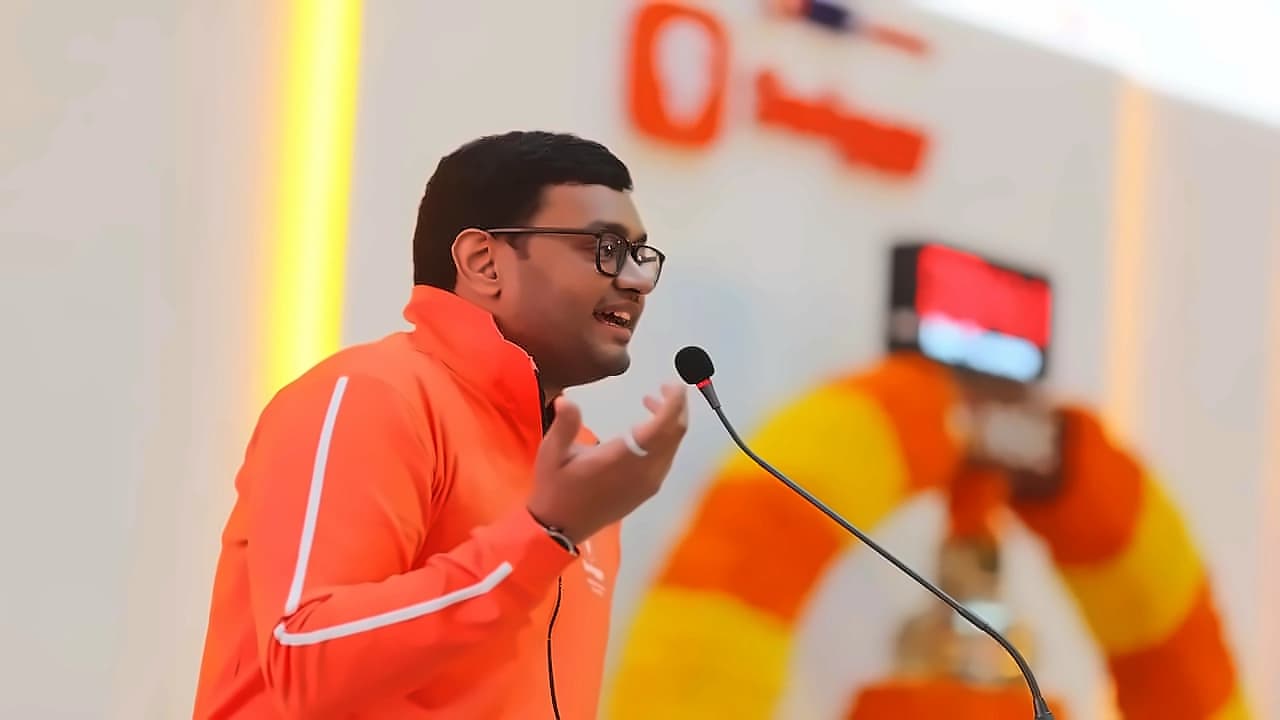
According to latest reports from Moneycontrol, Flipkart is set to enter the online food delivery market in the coming weeks, with CEO Kalyan Krishnamurthy confirming the company will initially test the offering before deciding on wider rollout. As reported by Moneycontrol, Krishnamurthy stated that "We will launch food delivery in the next few weeks. We may end up launching it in just a single city, test the value proposition, take feedback, and work on it." The ecommerce major plans to begin operations in a single city before gradually expanding to other cities, with the company working on a value proposition aimed at both consumers and restaurant partners. The CEO emphasized that "Like everything else we do, we will launch food delivery first, test the value proposition with customers, take feedback and continue improving the product until it really appeals to the customer. After that, we'll start scaling it," following the strategy adopted for the company's quick commerce platform Flipkart Minutes.
According to Moneycontrol reports, Flipkart will use a combination of Flipkart's main app and a separate interface for the food delivery service. The company plans to initially launch the service on the government-backed Open Network for Digital Commerce before rolling out its own application. As reported by The Times of India and NDTV Profit, the Walmart-owned e-commerce giant will initially launch a pilot in Bangalore, with the company not disclosing further operational details. An executive stated that the objective is to ensure the company can offer the most relevant and best value proposition to each customer segment, with the service differentiating itself through innovation and value beyond just pricing.
Following Krishnamurthy's comments, shares of Eternal and Swiggy declined by up to 4% on Friday, with Eternal trading at ₹280 per share, down 2.47% and Swiggy falling 3.77% to ₹251.70 according to Moneycontrol. The move pits Flipkart against established food delivery platforms such as Zomato and Swiggy. Krishnamurthy expressed satisfaction with the performance of Flipkart Minutes, saying the nearly two-year-old quick commerce business has been well received by customers and continues to scale rapidly. He also downplayed the importance of viewing quick commerce as a standalone business, stating "I don't focus on something called 'quick commerce'. We think about quick commerce as we think about sarees and kurtis, which is a very big category for our marketplace."
Meanwhile, Swiggy's board approved a cap of 49.5% on aggregate foreign ownership on a fully diluted basis, as reported by NDTV Profit. The proposed limit will cover foreign investors, including foreign-owned or controlled Indian entities, foreign portfolio investors (FPIs) and non-resident Indians (NRIs), excluding investments made through the non-repatriation route. According to a UBS note on Swiggy, the 49.5% limit leaves limited headroom for additional foreign investors, while providing the company greater strategic and operational flexibility. This development comes as the food delivery market faces intensified competition from Flipkart's entry into the sector.
As reported by The Times of India, Flipkart's move aligns with its strategy of building a broader consumer internet ecosystem. The company's existing businesses span ecommerce, fashion (Myntra), travel (Cleartrip), financial technology (Super.money), and quick commerce (Flipkart Minutes). Adding food delivery could help increase user engagement and strengthen customer retention across the group's platforms, particularly as the food delivery market continues to be dominated by Zomato and Swiggy. According to Krishnamurthy, the company has followed a consistent adoption curve in India, moving from books and media to branded electronics, consumer electronics, branded fashion, and now to consumables and essentials. The e-commerce major is now focusing heavily on Gen Z consumers, with Krishnamurthy noting that "We are now a Gen Z first company. The Gen Z customer relates to us like nobody else," adding that in certain segments this cohort accounts for nearly half the sales.