Swiggy Instamart has introduced a new checkout feature that allows users to add any shortfall in minimum order value directly to their Swiggy Money wallet instead of purchasing additional items to unlock free delivery. If a cart falls short of the free delivery threshold by ₹50 or less, users can transfer that amount into their wallet, qualify for free delivery, and use the wallet balance for future orders. This feature addresses a common friction point in quick commerce where customers often add low-value products they don't necessarily need to avoid delivery charges. The feature is currently available in major cities including Bengaluru, Mumbai and Delhi-NCR, and is expected to be rolled out in other places in phases.
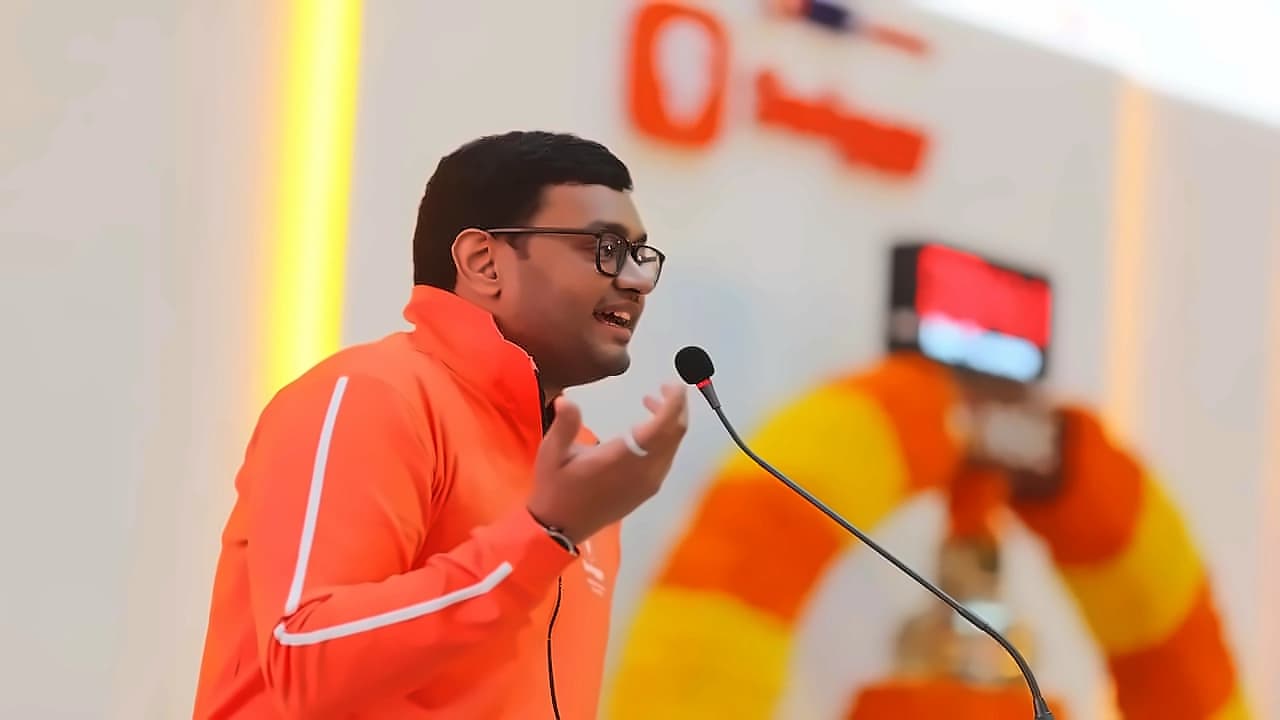
Swiggy Ltd., one of India's top quick commerce firms, plans to restrain spending and focus on profitability while deeper-pocketed rivals Flipkart, Amazon.com Inc., Walmart Inc.'s local arm, and Reliance Retail Ltd. intensify efforts to shrink delivery times and expand discounts. According to reports from Bloomberg News, CEO Sriharsha Majety is making a deliberate decision not to try and keep pace as these competitors compete to deliver goods in as fast as 10 minutes. The younger company is willing to sacrifice some users in the short run while retaining more lucrative, loyal customers. The decision comes amid intense competition in India's fast-growing quick commerce sector, with investors including SoftBank Group Corp., Temasek Holdings Pte. and Middle Eastern sovereign funds having poured billions into the sector.
Swiggy, which raised about ₹100 billion ($1 billion) in December, is trying to reassure investors after its shares fell more than 30% this year. As reported by Bloomberg News, the company added just seven stores in the March quarter, while its Instamart unit currently operates more than 1,100 small warehouses in cities around the country. JM Financial Ltd. analysts warned in April that the firm risks losing relevance if it cedes momentum in quick commerce, with a shareholder vote on governance restructuring narrowly failing earlier this month. Growth at Instamart, increasingly seen as central to Swiggy's future, has slowed for two consecutive quarters.
According to Bloomberg News, Majety said investors are giving feedback that they remain unconvinced until the company shows clear progress toward growth and profitability at Instamart. The company is seeing benefits from its restraint strategy, with Instamart improving unit economics by five to six percentage points over the past four quarters. Food-delivery growth accelerated to its strongest pace in nearly four years in the March quarter, as reported by Bloomberg News. According to Datum Intelligence, 62% of quick commerce users describe themselves as "very" or "extremely" loyal to their preferred platform, and more than 50% place at least five orders a month. The wallet feature addresses this retention challenge by securing future spending before the next order is placed, with the balance valid for one year from the date of credit.
According to Bloomberg News, Majety said most of his own time is now spent on Instamart and dismissed JM Financial's note suggesting the best outcome for Swiggy investors may be for the company to be sold to a larger player. He said he has ₹150 billion in the bank and emphasized that if the company loses, capital will not be the reason to lose. Blinkit Chief Executive Officer Albinder Dhindsa told Bloomberg News in December that India's quick-commerce industry is heading toward a shakeout as weaker rivals struggle to sustain losses and fund raising becomes harder. Majety referenced the telecom industry battle, citing how Bharti Airtel Ltd. protected its economics when Reliance Jio Infocomm Ltd. triggered a price war, with several competitors eventually disappearing or consolidating.