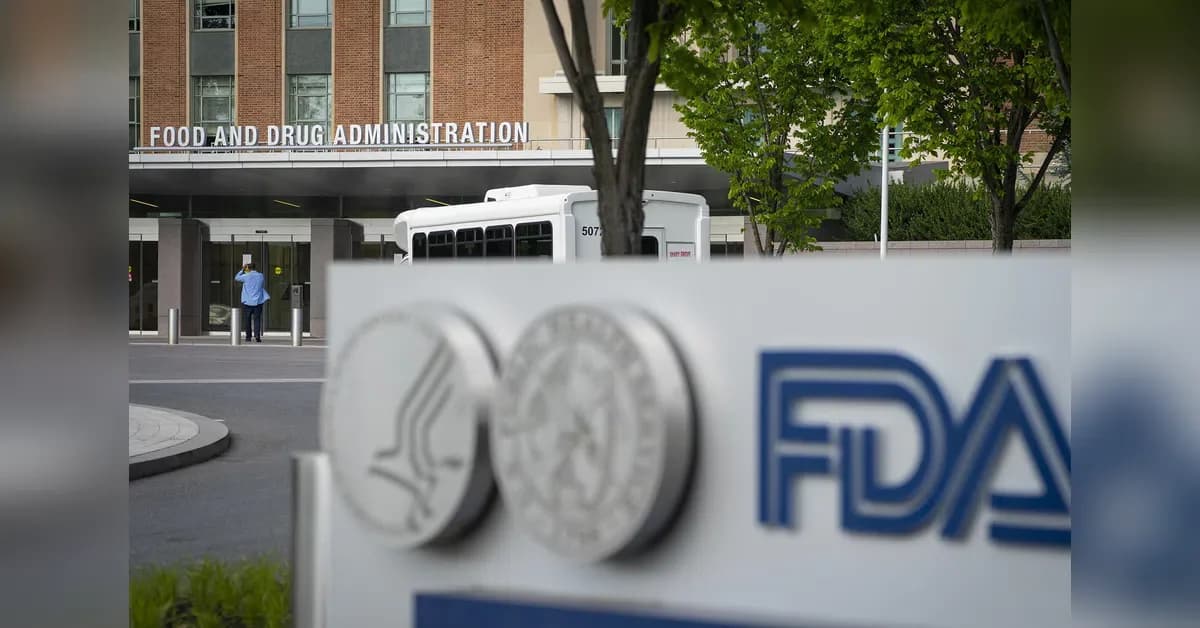
The US FDA has approved Merck's Lipfendra, marking a historic milestone as the first oral PCSK9 inhibitor for lowering LDL cholesterol in adults with high cholesterol or those with an inherited form called heterozygous familial hypercholesterolemia (HeFH). According to reports from Business Standard, this pill represents a breakthrough in cholesterol medication, as the class has traditionally been dominated by injectable treatments. The approval could potentially broaden the use of cholesterol medication among people at risk of heart disease, offering an alternative to the current injection-only options. Lipfendra is also a recipient of the FDA commissioner's National Priority Voucher program, which is intended to slash review periods of drugs that are critical to public health or national security. The approval was granted to Merck Sharp & Dohme LLC and received Priority Review for this indication.
Merck shares rose 4% in morning trading following the FDA approval announcement. As reported by Business Standard, Lipfendra will be sold at a list price of $10.50 per day, equivalent to approximately $315 per month. The company indicated the drug will be available to patients within a matter of weeks. RBC Capital Markets analyst Trung Huynh projects the drug could reach peak sales of about $5 billion by 2034, highlighting significant market potential. However, Scotiabank analyst Louise Chen had projected even higher potential, suggesting the drug could have "peak sales potential of tens of billions of dollars" ahead of the approval.
The FDA's decision was based on two Phase 3 trials from the CORALreef clinical program that demonstrated the once-daily pill lowered LDL cholesterol by nearly 60% in patients with hypercholesterolemia. In the CORALreef Lipids trial, Lipfendra reduced LDL-C by 56% compared to placebo at week 24, with a 60% decrease from baseline observed when biologically impossible baseline LDL-C values were removed according to revised data handling rules. The CORALreef HeFH trial showed Lipfendra reduced LDL-C by 59% at week 24 compared to placebo. The trials enrolled a total of 3,207 adults with severe hypercholesterolemia, including those with and without HeFH, who were already taking maximally tolerated statin therapy. In both trials, the frequency of adverse reactions was similar between Lipfendra-treated and placebo-treated patients, with the most common adverse reactions in the HeFH trial being diarrhea (LIPFENDRA 7%, placebo 2%) and dizziness (LIPFENDRA 9%, placebo 4%). According to Fox News Digital, Lipfendra was shown to reduce LDL cholesterol by roughly 56% to 60% when combined with statin therapy, which is around double the impact of statins as noted by Dr. Marc Siegel.
The drug is specifically designed to treat patients with hypercholesterolemia, including those with hereditary forms of the disease that cause elevated levels of LDL cholesterol. According to the American Heart Association, approximately one in four adults in the US have high LDL cholesterol. Merck Executive Vice President Brian Foard stated the company plans to target patients who are already on cholesterol-lowering treatments like statins as an add-on therapy. Foard noted that 70% of patients treated with those therapies are still not achieving guideline recommended goals, representing a significant market opportunity. The drug is intended to be used with diet and exercise as part of a comprehensive treatment approach. For many people, statins are effective on their own, but for some patients who have very high cholesterol levels, inherited forms of high cholesterol or adverse side effects when taking statins, another medication — such as a PCSK9 inhibitor like Lipfendra — may be necessary, per the AHA. Until now, PCSK9 inhibitors — such as Repatha and Praluent — have only been available as injections, a factor experts say may have contributed to their underuse.
The approval bolsters Merck's efforts to diversify beyond its blockbuster cancer treatment Keytruda, which is set to lose key patent protections starting in 2028, exposing the company to competition from potential less expensive biosimilar versions of the drug. An ongoing clinical trial is studying the effect of Lipfendra on cardiovascular morbidity and mortality, according to Merck. The drug addresses a significant treatment gap, with analysts noting that despite a decade of approved injectable options, an estimated 70% (and more) of eligible high-risk atherosclerotic cardiovascular disease patients remain undertreated due to injection aversion, prior authorization burden, and limited specialist access in primary care. Lipfendra works by blocking PCSK9 protein, which plays a vital role in regulating cholesterol levels, while oral statins block an enzyme the liver uses to make cholesterol. Unlike injectable competitors, Lipfendra carries zero contraindications or hypersensitivity warnings for allergic reactions. Additional research is needed to determine whether Lipfendra also reduces the risk of heart attacks, strokes and cardiovascular deaths. Results from a large clinical trial are expected to be available in 2029, Merck stated.