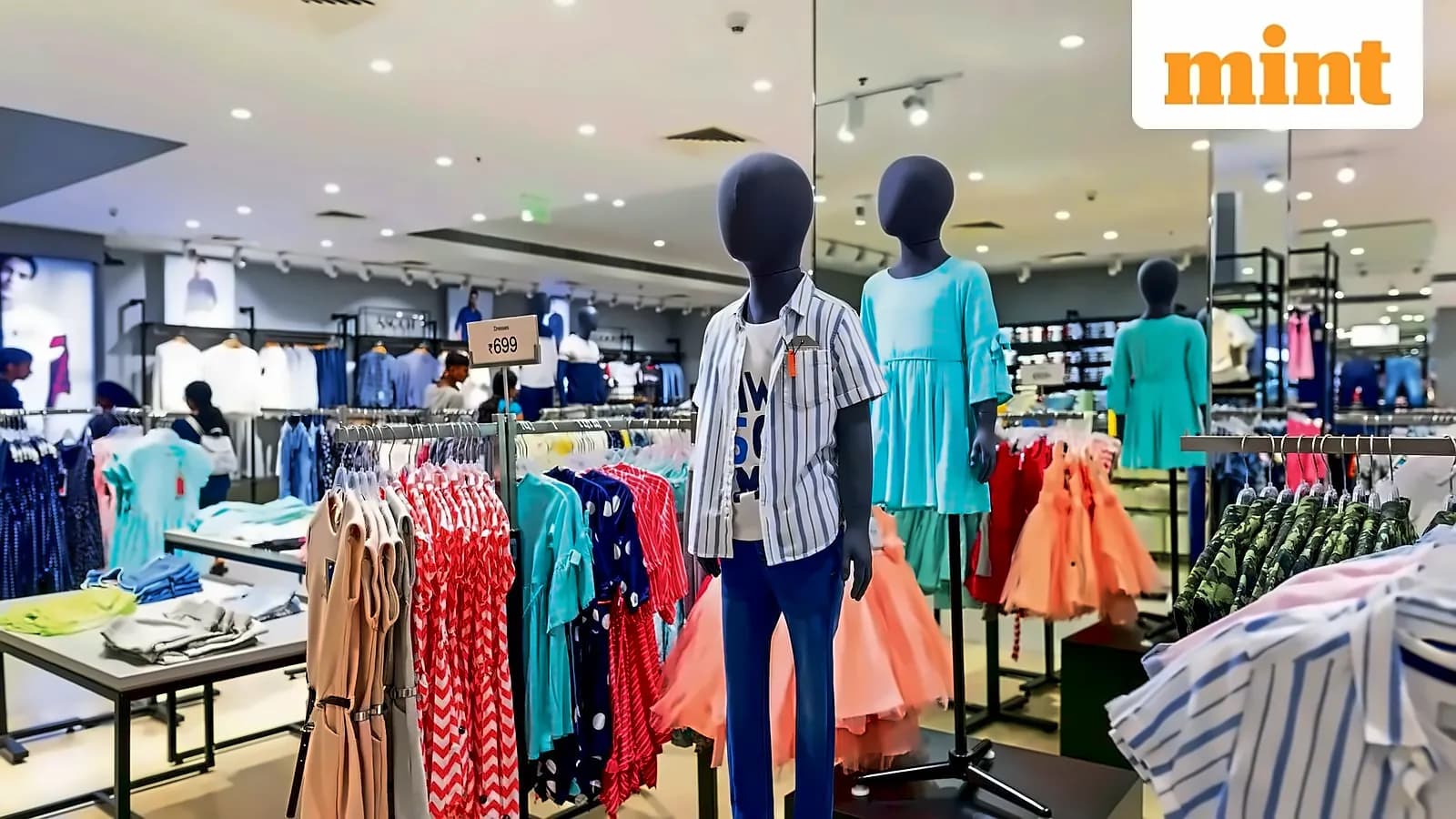
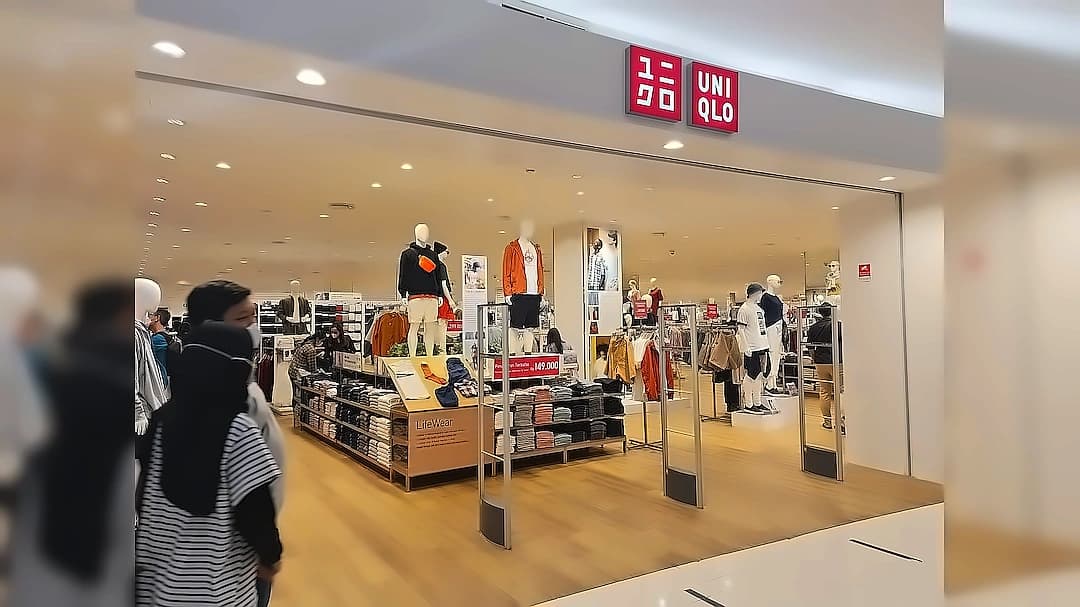
Fashion retailers are implementing aggressive discounting strategies to counter weak consumer demand during the current season. According to reports from Moneycontrol, major apparel brands including Uniqlo, Marks & Spencer, H&M and Pantaloons have started offering discounts on select merchandise. E-commerce platforms such as Myntra, Nykaa Fashion and Flipkart have also launched sale-led campaigns across fashion categories. As reported by industry executives, several retailers have launched advanced mid-season sales instead of straightaway announcing end-of-season sales in June, with select merchandise offered at up to 40 percent off to liquidate inventory and make up for sales deficits. The strategy reflects broader challenges facing retailers, with businesses across key retail hubs describing sluggish shopping seasons marked by weak sales and reduced evening footfall.
The sales shortfall has reached approximately 30 percent in the last two months, with consumers reducing discretionary spending as fuel, LPG and essential goods become costlier. According to Moneycontrol reports, industry executives noted that amid volatility in geopolitics and its impact on consumer spending, brands are using discounting as a promotional activity rather than announcing separate mid-season sales. As reported by Jain Amar's Akhil Jain, retailers are not implementing blanket markdowns but are bundling merchandise and putting only select stock-keeping units on sale to drive footfalls and improve inventory movement. Recent developments show that rising prices of essential goods are forcing households to reduce discretionary spending, with consumers becoming more careful with their expenses even when attractive discounts are offered.
A recent Deloitte report highlighted a more guarded consumer mood, with willingness to make large, non-essential purchases falling five percentage points month-on-month to 65 percent in March. According to Deloitte South Asia's Anand Ramanathan, Indian consumers are entering a phase of calibrated consumption, becoming more mature and resilient while balancing aspiration with financial discipline. The latest data from Bangladesh shows that Eid shopping, once characterised by excitement, impulse buying and crowded late-night shopping trips, now reflects a more cautious reality shaped by inflation, rising living costs and reduced disposable income. As reported by retail managers, customers are prioritising essential expenses over festive shopping, with some visitors coming only to compare prices while others delay purchases in anticipation of deeper discounts closer to Eid.
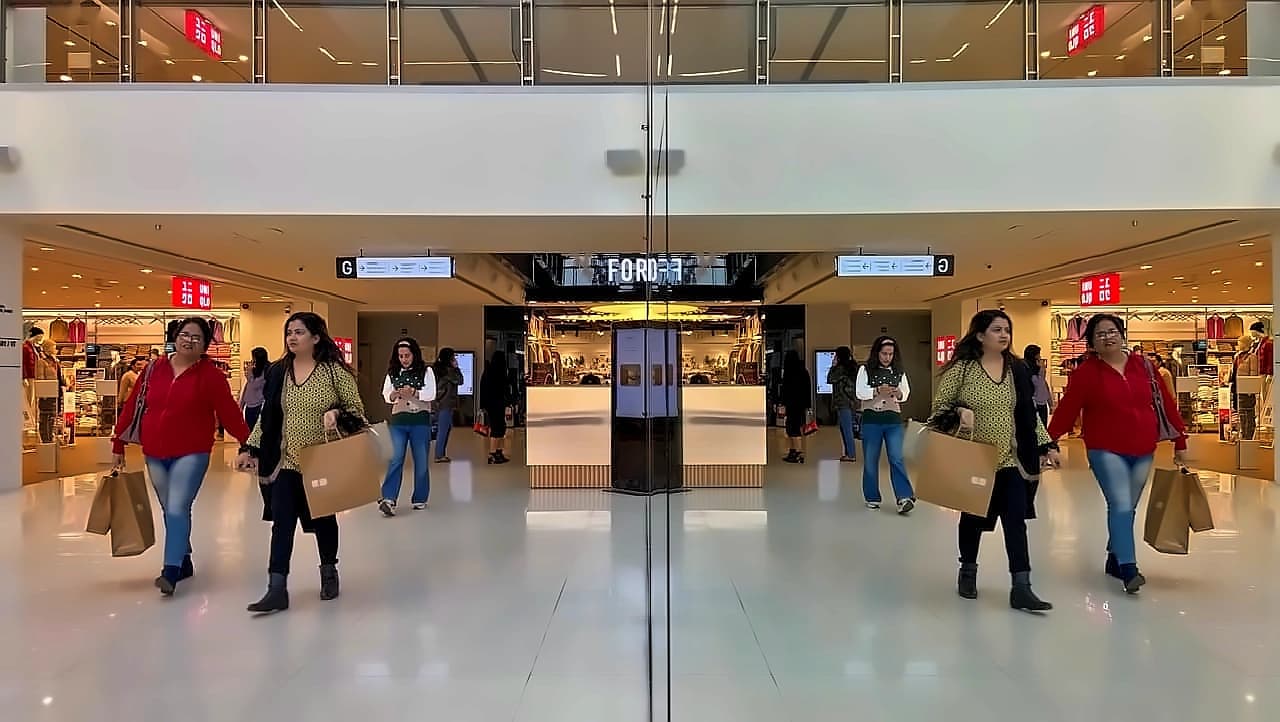
Industry analysts noted that the early discounting reflects pressure apparel retailers face after a weaker-than-expected spring-summer season. According to Moneycontrol reports, brands are trying to balance inventory liquidation with margin protection by offering targeted discounts rather than deep, across-the-board markdowns. The Bangladesh market experience demonstrates that discounts alone are no longer enough to drive demand, with experts noting that consumers are increasingly preferring newness, design innovation, fabric differentiation, and fresh collections over pricing. Industry executives said retailers are recalibrating growth targets for the year with a sharper focus on profitability, inventory management and cash flows. For the near term, retailers are likely to continue using discount-led promotions to stimulate demand, especially if discretionary spending remains subdued.