A US federal judge has approved Paramount's settlement with 12 states, clearing the way for the $81 billion Warner Bros. Discovery takeover as early as October. US District Judge Araceli Martinez-Olguin ruled Wednesday that the proposed consent decree was a 'fair, reasonable, and good faith approach to address the competitive harms' alleged by the states' lawsuit. The settlement agreement, reached last week, includes new commitments from Paramount to increase film production in the US over the next five years, commit millions of dollars to a fund for displaced workers, and establish new editorial monitoring of CNN and CBS. Top prosecutors from 12 states, led by California Attorney General Rob Bonta, had initially sued in July with an initial goal of blocking the merger altogether, alleging the combination would 'extinguish competition' and lead to fewer choices for consumers.
Shortly after the court ruling, Paramount announced that Ynon Kreiz, current chief executive at toy giant Mattel, will join Paramount on October 5 and serve as co-CEO alongside David Ellison of the combined company. A Paramount-Warner marriage will bring together two of Hollywood's last five legacy studios, with HBO Max, a library full of titles including 'Harry Potter' and cable networks such as CNN finding themselves under the same roof with CBS, the likes of the 'Top Gun' franchise and the Paramount+ streaming service. The deal was the object of a bidding war earlier this year, with Paramount eventually beating out Netflix Inc. to create one of the world's largest entertainment empires. The financing package includes $12.4 billion-equivalent of junk bonds across US dollars and euros, as well as $7.5 billion-equivalent of loans in both currencies, with investors having placed orders of about $15.6 billion for the high-yield notes and $11.5 billion for the loans.
Paramount Skydance Corp. has achieved remarkable investor interest in its bond offering, attracting more than $109 billion in orders when the books closed Tuesday afternoon. This represents 3.4 times the expected deal size after lenders shifted part of the funding to loans. The investment-grade debt offering stands out in a year dominated by hyperscalers' jumbo sales for AI infrastructure, with Paramount's high-grade debt offering being the largest portion of a $52 billion total financing package that also includes $12.4 billion in junk bonds and $7.5 billion in loans. The offering includes $30 billion in investment-grade debt and $12.4 billion in junk bonds, with initial pricing discussions indicating yields in the low-9% range for long-term bonds.
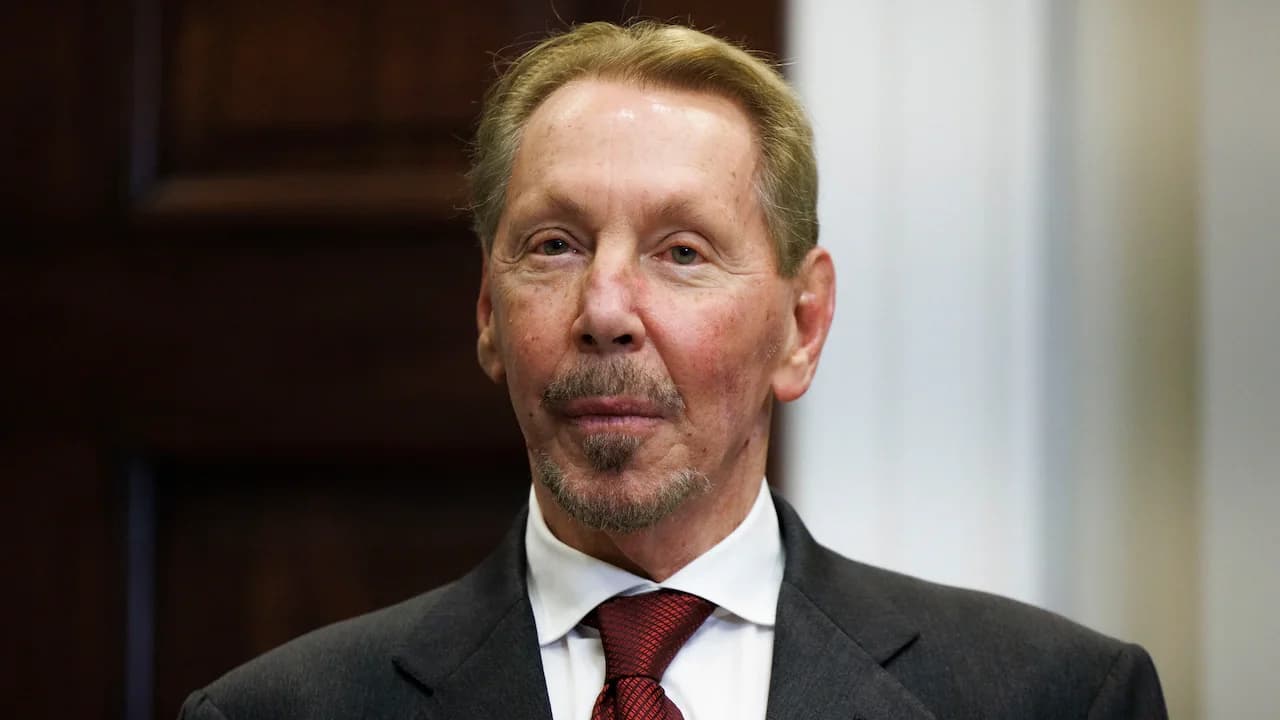
Larry Ellison has significantly increased his pledged Oracle shares by 67 million, bringing the total to approximately 36% of his holdings. The share pledges amount to a 19% increase in the number of shares Ellison has pledged since 2025. The stock is valued at about $9.2 billion at Oracle's closing price of $137.10 on Friday. As reported by Business Standard, Oracle officers and directors are forbidden from pledging company shares as collateral for personal loans, with one exception - Larry Ellison, who serves as the company's executive chair and chief technology officer. The total stock pledged now represents about 36% of Ellison's total holdings of 1.16 billion shares.
The debt is coming to market after a months-long delay and at a higher cost for Paramount, as a surge in Treasury yields has raised borrowing costs for companies. The bonds and loans were initially expected to be sold around midyear, but the financing was put on hold after the Warner deal faced litigation until two settlements last week cleared the way for the offering. Paramount's proposed first-lien notes received investment-grade ratings from Fitch Ratings and S&P Global Ratings, while Moody's Ratings placed the debt one step below that level. The Warner acquisition will increase Paramount's debt by more than $30 billion, pushing its leverage to about seven times a measure of earnings, according to Moody's. 'Credit metrics at closing will therefore resemble those of highly speculative issuers with very low single-B ratings,' Moody's said, citing high leverage, concentrated ownership, and governance risks.