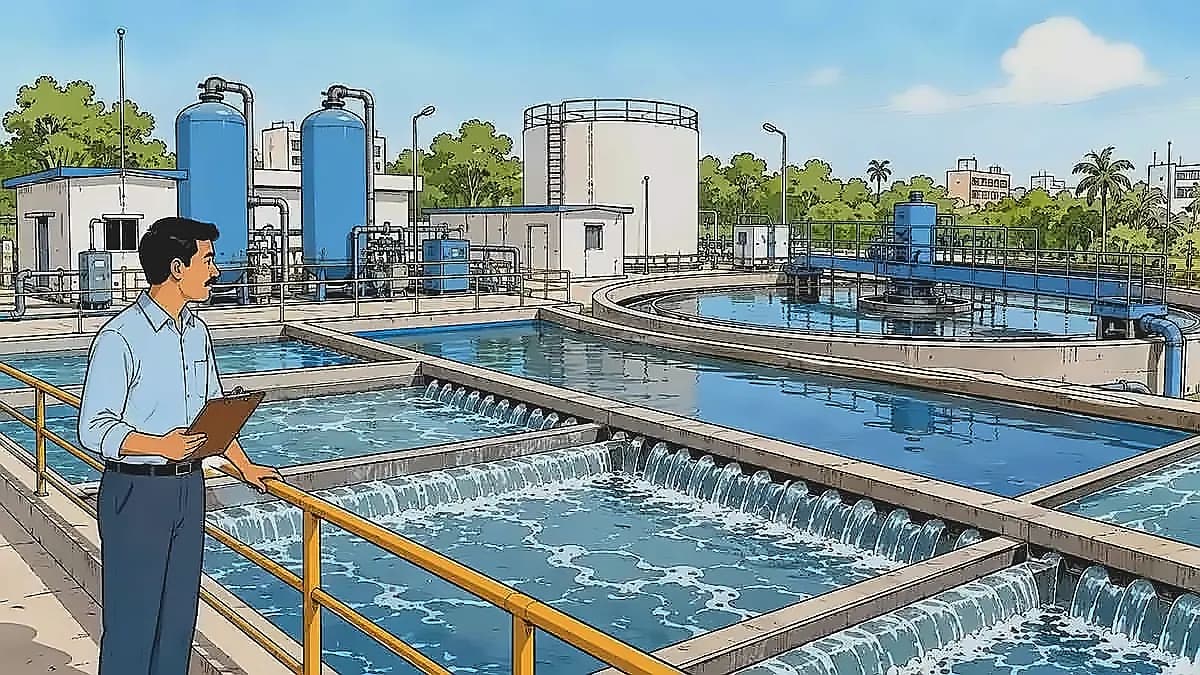
India's circular economy framework has reached a significant milestone with 375.11 lakh tonnes of waste successfully recycled across multiple waste streams including plastic packaging, battery waste, e-waste, and waste tyres, according to the latest Press Information Bureau report. As of December 3, 2025, 71,401 producers and 4,447 recyclers have been registered on government portals, demonstrating the robust infrastructure supporting India's waste management ecosystem. The initiative has generated EPR certificates worth 339.51 lakh tonnes, with 237.85 tonnes already transferred to producers, showcasing the effectiveness of Extended Producer Responsibility mechanisms in driving sustainable waste management practices.
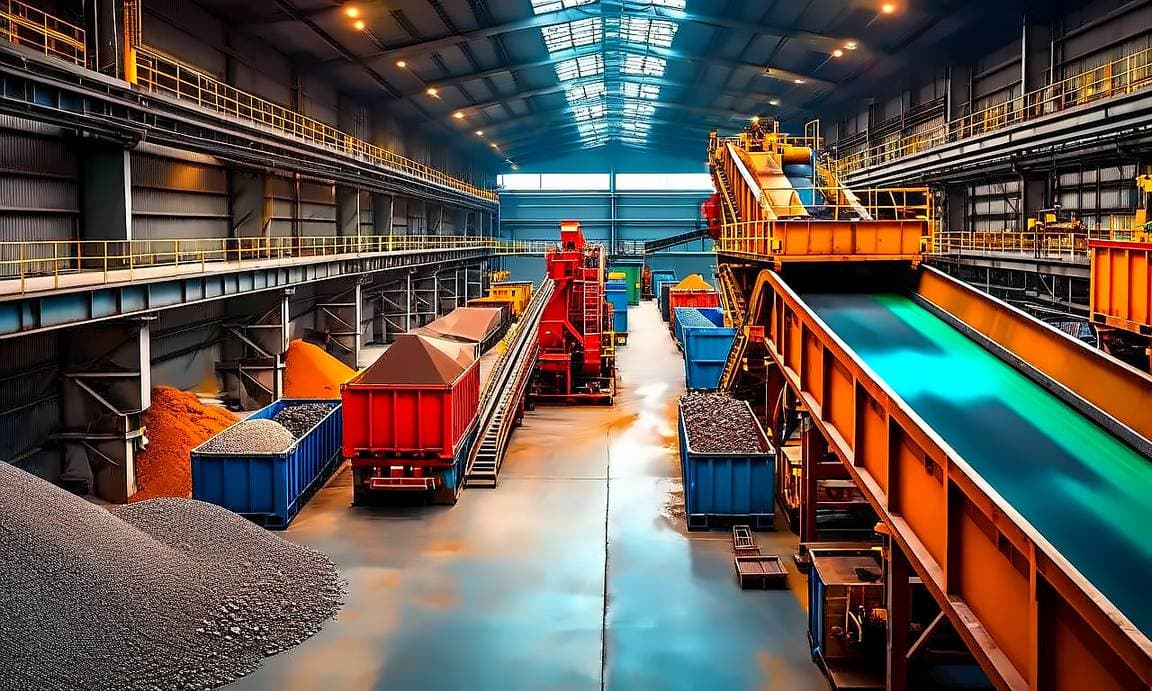
Eco Recycling's strategic initiative gains significant momentum with India's launch of the National Critical Mineral Mission (NCMM) in January 2025. According to recent reports, the NCMM will work with the Minerals Security Partnership's commitments to secure the 30 critical minerals needed by India to support its 'Make in India' and Electric Vehicle (EV) industries. This national mission positions India as a key player in global mineral diplomacy, serving as an intermediary between the Global North and the Global South as the only large developing country participating in the MSP framework. The mission aligns with the government's target to produce 40 kilo tonnes of critical minerals from secondary sources while building 270 kilo tonnes of annual recycling capacity.
The government has introduced The Environment Audit Rules, 2025, establishing a cadre of Certified Third-Party Environmental Auditors to conduct on-site verification and compliance audits under major environmental laws. This initiative reinforces the government's Trust Based Compliance – Ease of Doing Business approach while maintaining environmental safeguards. The PARIVESH 2.0 platform has achieved complete automation in clearance management, providing an integrated digital platform for Environment, Forest, Wildlife, and CRZ clearances. The system integrates Geographic Information System (GIS) for real-time decision support and offers a single-window interface for project proponents, appraisal committees, and regulatory authorities, strengthening the government's commitment to 'Minimum Government, Maximum Governance'.
The company's strategy centers on recycling important minerals that are essential for various industrial applications, particularly addressing the global challenge where China refines more than half of both cobalt and lithium. This initiative aligns with India's broader environmental and economic goals and supports the Minerals Security Partnership (MSP) approach that is evolving toward regionalisation of mineral supply chains. The approach supports the government's Basic Customs Duty (BCD) exemptions on cobalt powder, waste/scrap of lithium-ion batteries, lead, zinc, and 12 other critical minerals to promote domestic recycling and manufacturing while reducing dependence on concentrated global supply chains.
The strategic developments demonstrate India's commitment to contributing to mineral security goals while delivering substantial economic and environmental benefits. The circular economy approach reduces operating costs through material reuse and optimized resource utilization while reducing reliance on virgin inputs and global supply chains prone to disruption. Latest data shows 4,536 hectares of area brought under restoration in 2025 with ₹46.48 crore released for environmental restoration projects. The initiative aims to generate 70,000 jobs in the recycling sector while addressing geopolitical vulnerabilities where the concentration of critical minerals resources has created a geopolitical 'chokepoint' that nations are now moving to dismantle.